


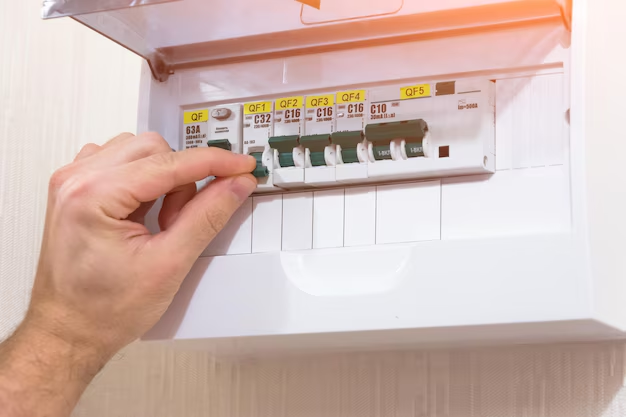
If your AC keeps tripping the breaker, it’s a clear warning that something inside your system is overloading, overheating, or failing electrically, and it should not be ignored. All this happens when the air conditioner draws more power than the circuit can safely handle due to issues such as a failing capacitor, dirty coils, restricted airflow, compressor strain, or faulty wiring. The breaker is designed to shut the system down instantly to prevent fire hazards or major HVAC damage.
In many cases, homeowners keep resetting the breaker only to see it trip again, which usually means the root cause is still active inside the system. Left unresolved, this can lead to compressor failure, higher repair costs, or a complete AC breakdown during peak summer heat.
In this expert guide, we’ll break down exactly why your AC keeps tripping the breaker, how to identify the cause safely, what you can check yourself, and when it becomes critical to call an electric professional before the issue escalates.
Understanding Why Your AC Keeps Tripping the Breaker?
When an air conditioner trips a breaker, it means the system is drawing more electrical current than the circuit can safely handle. The breaker shuts off power to prevent overheating of wires, electrical fires, or damage to equipment.
This is a symptom, not the root problem. The breaker is doing its job. The real issue lies in one or more of the following:
- Electrical overload inside the AC system
- Mechanical failure in key components
- Restricted airflow is causing system strain
- Compressor or capacitor issues
- Faulty breaker or wiring problem
Ignoring it or repeatedly resetting the breaker can lead to severe damage to your HVAC system.
Top Reasons Your AC Keeps Tripping the Circuit Breaker
Below are the most common reasons why your circuit breaker trips so often.
- Dirty Air Filters Restricting Airflow
A clogged air filter restricts airflow, forcing your AC to work harder, overheat internally, and draw excess power, which often leads to breaker tripping during heavy summer operation.
- The evaporator coil gets too cold
- System pressure drops
- The compressor works harder
- Electrical load increases
- The breaker eventually trips
In Dallas summers, filters can clog within 30–60 days due to dust and heavy usage.
2. Dirty Condenser Coils (Outdoor Unit Overheating)
Dirty condenser coils block heat release, causing the outdoor unit to overheat, increasing system pressure and electrical load, which ultimately forces the breaker to shut off power.
- Heat cannot escape properly
- Compressor overheats
- The system draws excessive amps
- The breaker shuts off the power
This is extremely common in North Texas due to dust, grass clippings, and pollen buildup.
3. Faulty or Weak Capacitor
A weak capacitor fails to properly start the compressor or fan motor, causing startup strain, electrical surges, and repeated breaker trips during ignition cycles.
- AC struggles to start
- An electrical surge occurs during startup
- Breaker trips instantly or after a few minutes
This is one of the most frequent repairs Astar DFW technicians handle during peak summer.
4. Compressor Problems (High Power Draw)
When the compressor becomes faulty or overheated, it draws excessive electrical current to operate, causing repeated breaker trips as a protective safety response.
- Overheating
- Mechanically failing
- Locked or shorted
It will pull excessive amperage, causing repeated breaker trips.
In many cases, this indicates a serious repair or replacement issue.
5. Refrigerant Issues (Low or Leaking Gas)
Low or leaking refrigerant forces the compressor to overwork and run longer cycles, increasing electrical load and causing breaker trips under system stress.
- Coil freezing
- Compressor overworking
- Electrical overload
- Breaker tripping under pressure
This is often paired with ice buildup on refrigerant lines.
6. Faulty Circuit Breaker
A worn or weak circuit breaker may become overly sensitive or fail under heat stress, causing it to trip even when the AC is operating normally.
- Wear out over time
- Become overly sensitive
- Fail under heat stress
In Dallas, homes with older electrical panels are more common than expected.
7. Electrical Short or Wiring Issues
Damaged or loose wiring inside the AC system can create electrical shorts, causing sudden power surges and immediate breaker trips as a safety shutdown mechanism.
- Sudden power surges
- Intermittent shutdowns
- Immediate breaker trips
This is a serious safety hazard and requires immediate professional inspection.
8. Dirty Blower Motor or Fan Issues
A struggling blower motor or fan increases electrical resistance, forcing the system to draw more power than normal, which can overload and trip the breaker.
- System airflow becomes unbalanced
- Motor draws excess electricity
- Breaker trips due to overload
Restricted or failing motors force the system to compensate by increasing power draw, which raises electrical load beyond safe limits.
Safe Troubleshooting Steps When Your AC Circuit Breaker Trips
Before calling an HVAC technician, there are a few safe and simple checks you can perform. These steps help you rule out minor issues without risking damage to your system or creating electrical hazards.
Step 1: Replace or Clean the Air Filter
A clogged air filter is the most common and easiest issue to fix when your AC keeps tripping the breaker.
What to do
- Turn off the AC system
- Remove the air filter from the return vent or air handler
- Inspect for dust buildup or blockage
- Replace or clean the filter if dirty
A clean filter restores proper airflow, reduces system strain, and helps prevent overheating that can trigger breaker trips.
Step 2: Inspect the Outdoor Unit
The outdoor condenser unit releases heat, and any blockage can quickly cause overheating and electrical overload.
What to check
- Dirt buildup on condenser coils
- Leaves, grass, or debris around the unit
- Visible damage or bent fins
- Ensure at least 2–3 feet of clearance around the unit
If airflow is restricted outside, the system works harder and may overload the breaker within minutes.
Step 3: Reset the Breaker Once
A one-time reset helps confirm whether the trip was temporary or due to a persistent fault.
What to do
- Go to your electrical panel
- Switch the AC breaker fully OFF, then ON
- Observe system startup behavior
If it trips again immediately, stop resetting it. Repeated resets can damage the compressor and increase electrical risk.
Step 4: Check Thermostat Settings
Extreme thermostat settings can force your AC to overwork, increasing electrical load and triggering breaker trips.
What to check
- Ensure temperature is not set extremely low (below 68°F / 20°C)
- Avoid rapid temperature drops
- Set a moderate range (72–76°F recommended for balance)
- Check thermostat batteries if applicable
Incorrect settings can cause continuous compressor cycling and system overload.
Step 5: Listen for Unusual Sounds
Strange noises often indicate electrical or mechanical strain before a full system failure occurs.
What to listen for
- Buzzing from the outdoor unit (possible capacitor issue)
- Humming or struggling motor sounds
- Clicking during startup attempts
- Sudden shutdown sounds
These symptoms often indicate electrical stress that can lead to breaker tripping.
Important Safety Warning
If the breaker trips repeatedly, do NOT keep resetting it.
Repeated resets can:
- Damage the compressor
- Increase electrical overheating risk
- Cause further system failure
- Create potential fire hazards
At this stage, contact a professional HVAC technician from Astar DFW for proper diagnosis and safe repair.
How to Prevent Your AC From Tripping the Breaker?
Preventing AC breaker trips comes down to reducing system strain, maintaining proper airflow, and ensuring electrical components are in good condition. Regular maintenance keeps your HVAC system efficient, safe, and stable during peak Dallas–Fort Worth summer heat.
Prevention Tips
- Schedule seasonal HVAC maintenance and coil cleaning
- Replace air filters every 30 days in summer
- Keep the outdoor unit clear with 2–3 feet of space
- Get annual electrical panel and wiring inspections
- Avoid setting the thermostat too low during extreme heat
- Don’t ignore early warning signs like noise or weak cooling
When to Call Astar DFW HVAC Professionals?
At Astar DFW, our HVAC specialists in Dallas diagnose both electrical and mechanical AC failures, ensuring the root cause, not just the symptom, is fixed. With years of experience in Dallas–Fort Worth conditions, we specialize in high-heat HVAC failures, compressor issues, and breaker-related system protection problems. You should contact a licensed HVAC technician immediately if:
- Breaker trips repeatedly
- AC won’t stay on for more than a few minutes
- A burning smell or electrical odor is present
- The outdoor unit is not starting
- You hear buzzing or humming from electrical components
Book your AC inspection or repair with Astar DFW HVAC experts today to prevent breaker trips and restore safe, reliable cooling in your home before the issue turns into a costly breakdown.
Final Thoughts
If your AC keeps tripping the breaker, it is a clear warning sign that your system is under stress, electrically, mechanically, or both. In Dallas–Fort Worth’s extreme climate, ignoring this issue can quickly escalate into costly repairs or full system failure.
The safest and most effective solution is a professional diagnosis. At Astar DFW, our HVAC experts identify the root cause quickly and restore safe, efficient cooling so your system can handle peak summer demand without interruption.