


What Is a Domestic Electrician? What Are They & What Do They Do?
Electricity powers nearly every part of a modern home, from HVAC systems and kitchen appliances to EV chargers, lighting, and smart home technology. When electrical systems fail, become outdated, or need upgrades, a domestic electrician is the professional homeowners rely on to keep everything safe, efficient, and code-compliant.
In this guide, we’ll explain what a domestic electrician is, what services they provide, when you should call one, and how they differ from commercial electricians.
What Is a Domestic Electrician?
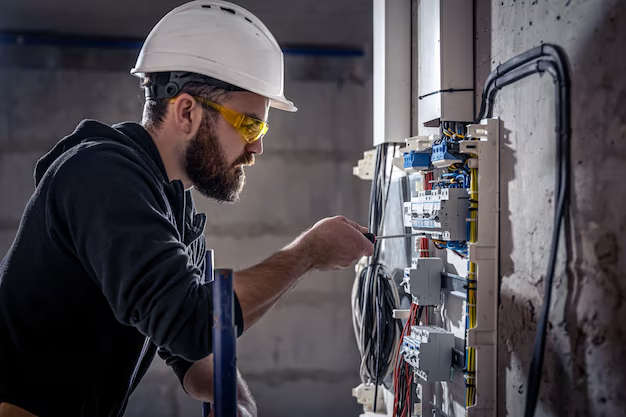
A domestic electrician, also called a residential electrician, is a licensed electrical professional who installs, repairs, maintains, upgrades, and troubleshoots electrical systems inside homes, apartments, townhouses, and residential properties.
Their work includes everything from installing outlets and ceiling fans to replacing electrical panels, rewiring older homes, fixing breaker problems, installing EV chargers, upgrading lighting systems, and ensuring the home meets local electrical safety codes.
Unlike commercial or industrial electricians who work on large-scale systems in offices, factories, or warehouses, domestic electricians specialize in residential electrical infrastructure designed for everyday homeowners and families.
For homeowners in Dallas-Fort Worth, a qualified residential electrician plays a major role in maintaining safety, preventing electrical fires, reducing power issues, and supporting modern electrical demands from air conditioners, smart devices, and high-powered appliances.
What Does a Domestic Electrician Do?
Domestic electricians handle a wide range of electrical services related to residential properties. Their responsibilities typically include:
-
Electrical Installations
One of the primary jobs of a residential electrician is installing new electrical systems and components in homes.
This may include:
- Installing electrical wiring
- Installing outlets and switches
- Ceiling fan installation
- Indoor and outdoor lighting installation
- Smart home device wiring
- Electrical panel installation
- Smoke detector installation
- EV charger installation
- Backup generator installation
- Appliance circuit installation
In growing Dallas neighborhoods where homeowners are remodeling kitchens, upgrading HVAC systems, or converting garages into living spaces, new electrical installations are extremely common.
-
Electrical Repairs
Domestic electricians diagnose and repair electrical issues that affect home safety and performance.
Common repair services include:
- Tripping circuit breakers
- Flickering lights
- Dead outlets
- Burning smells from outlets
- Power surges
- Faulty wiring
- Electrical shorts
- Overloaded circuits
- Broken switches
- GFCI outlet problems
Electrical problems should never be ignored because small issues can quickly become fire hazards.
Experienced electricians like the team at Astar DFW often identify underlying problems homeowners may not notice, especially in older Dallas homes with aging wiring systems.
Signs You Need a Domestic Electrician
Many homeowners wait too long before calling an electrician. Certain warning signs indicate that immediate professional attention is needed.
-
Frequent Breaker Trips
If your breaker trips regularly, your electrical panel may be overloaded or experiencing short circuits. Modern homes in Dallas use far more electricity than homes built decades ago. Older panels often struggle to support:
- HVAC systems
- EV chargers
- Tankless water heaters
- Modern kitchen appliances
- Home office equipment
-
Flickering or Dimming Lights
Lights that flicker when appliances turn on may indicate:
- Loose wiring
- Voltage fluctuations
- Overloaded circuits
- Failing electrical panels
This is especially common during Texas summers when air conditioners operate continuously.
-
Burning Smells or Scorch Marks
A burning odor near outlets, switches, or breaker panels is a serious electrical hazard and may indicate overheated wires. Call a licensed electrician immediately if you notice:
- Warm outlets
- Sparks
- Buzzing sounds
- Burning plastic smells
- Blackened outlets
-
Outdated Wiring
Older homes may still contain outdated electrical systems, such as:
- Aluminum wiring
- Knob-and-tube wiring
- Ungrounded outlets
- Fuse boxes
These systems may not meet current electrical safety standards and often require rewiring.
Types of Services Domestic Electricians Provide
-
Home Rewiring
Whole-home rewiring replaces outdated or unsafe wiring systems. This service is common in older Dallas homes where the electrical infrastructure cannot safely support modern energy demands.
Benefits include:
- Improved safety
- Better electrical efficiency
- Reduced fire risks
- Increased home value
- Better appliance performance
-
Electrical Panel Upgrades
Your electrical panel distributes power throughout the home. Older panels may fail to handle modern electrical loads. Signs you may need a panel upgrade include:
- Breakers constantly tripping
- Limited available circuits
- Rust or corrosion
- Buzzing sounds
- Overheating panels
Many Dallas homeowners upgrade from 100-amp panels to 200-amp systems to support larger HVAC systems and EV chargers.
-
Lighting Installation
Residential electricians install various indoor and outdoor lighting systems, including:
Interior Lighting
- Recessed lighting
- Pendant lights
- Under-cabinet lighting
- Chandeliers
- Smart lighting systems
Exterior Lighting
- Landscape lighting
- Security lights
- Motion sensor lighting
- Patio lighting
- Pool lighting
Modern LED lighting upgrades also help homeowners reduce energy costs.
-
EV Charger Installation
Electric vehicle ownership continues to grow rapidly across Texas. Domestic electricians install Level 2 EV charging stations safely and according to code requirements. This typically includes:
- Dedicated circuit installation
- Panel capacity evaluation
- Load calculations
- Permit compliance
- Surge protection upgrades
-
Backup Generator Installation
Power outages caused by storms, grid strain, or extreme heat can disrupt Dallas homes. Residential electricians install backup generators to provide emergency power for:
- HVAC systems
- Refrigerators
- Medical equipment
- Lighting
- Security systems
Difference Between Domestic and Commercial Electricians
Many homeowners wonder whether all electricians perform the same type of work. The answer is no. The difference is:
|
Feature |
Domestic Electricians |
Commercial Electricians |
|
Primary Work Environment |
Homes, apartments, condos, garages, and residential additions |
Office buildings, restaurants, retail stores, warehouses, and industrial facilities |
|
Main Focus |
Residential electrical systems and homeowner safety |
Large-scale commercial and industrial electrical systems |
|
Voltage Requirements |
Lower-voltage residential systems |
Higher-voltage and more complex power systems |
|
Common Services |
Outlet installation, lighting, panel upgrades, ceiling fans, home rewiring, EV chargers |
Commercial wiring, large electrical panels, data cabling, industrial equipment wiring, and emergency systems |
|
Electrical Load Capacity |
Designed for household appliances and HVAC systems |
Designed for heavy machinery, commercial HVAC, and large power demands |
|
Wiring Complexity |
Simpler layouts with fewer circuits |
More advanced systems with extensive circuits and conduit work |
|
Code Requirements |
Residential electrical codes and safety standards |
Commercial building codes, industrial regulations, and compliance requirements |
|
Typical Equipment Used |
Breaker panels, outlets, switches, lighting systems |
Transformers, three-phase power systems, large switchgear, backup systems |
|
Project Scale |
Small to medium residential projects |
Large commercial construction and infrastructure projects |
|
Safety Priorities |
Family safety, fire prevention, and home efficiency |
Employee safety, operational continuity, and large-scale electrical reliability |
How Much Does a Domestic Electrician Cost in Dallas?
The cost of hiring a domestic electrician in Dallas depends on several factors, including the type of electrical work required, the complexity of the project, the age of the home, permit requirements, emergency service needs, and the materials involved. In Dallas-Fort Worth homes, pricing can also vary depending on whether the property has outdated wiring, overloaded circuits, or older electrical panels that need to be brought up to current code standards.
At Astar DFW, all residential electrical services are handled by licensed domestic electricians with experience working on Dallas-area homes. We provides transparent pricing based on the actual scope of work, electrical requirements, safety considerations, and project complexity rather than using one-size-fits-all estimates. Whether homeowners need electrical troubleshooting, lighting installation, panel upgrades, EV charger installation, or complete rewiring services, Astar’s licensed electricians assess the home carefully and recommend the most cost-effective and code-compliant solution.
What Qualifications Should a Domestic Electrician Have?
When hiring a residential electrician, homeowners should look for:
- State licensing
- Insurance coverage
- Residential experience
- Positive customer reviews
- Permit knowledge
- Transparent pricing
- Emergency service availability
Experienced electricians should also understand local building requirements throughout Dallas-Fort Worth communities.
Where to Find a Domestic Electrician in Dallas-Fort Worth?
The best residential electricians combine technical expertise, safety knowledge, code compliance, and customer service. Homeowners should prioritize electricians who:
- Specializes in residential systems
- Understand local Dallas code requirements
- Offer transparent estimates
- Provide emergency services
- Have strong local reviews
- Stay updated on modern electrical technologies
Astar DFW provides residential electrical solutions designed specifically for the growing power demands of modern Texas homes.
Final Thoughts
A domestic electrician plays a critical role in keeping homes safe, efficient, and fully powered. From electrical panel upgrades and home rewiring to lighting installation and EV charger setup, residential electricians handle the systems homeowners depend on daily.
Whether you need troubleshooting, upgrades, inspections, or emergency electrical repairs, working with a licensed residential electrician ensures your home remains protected, code-compliant, and ready for future electrical demands.