


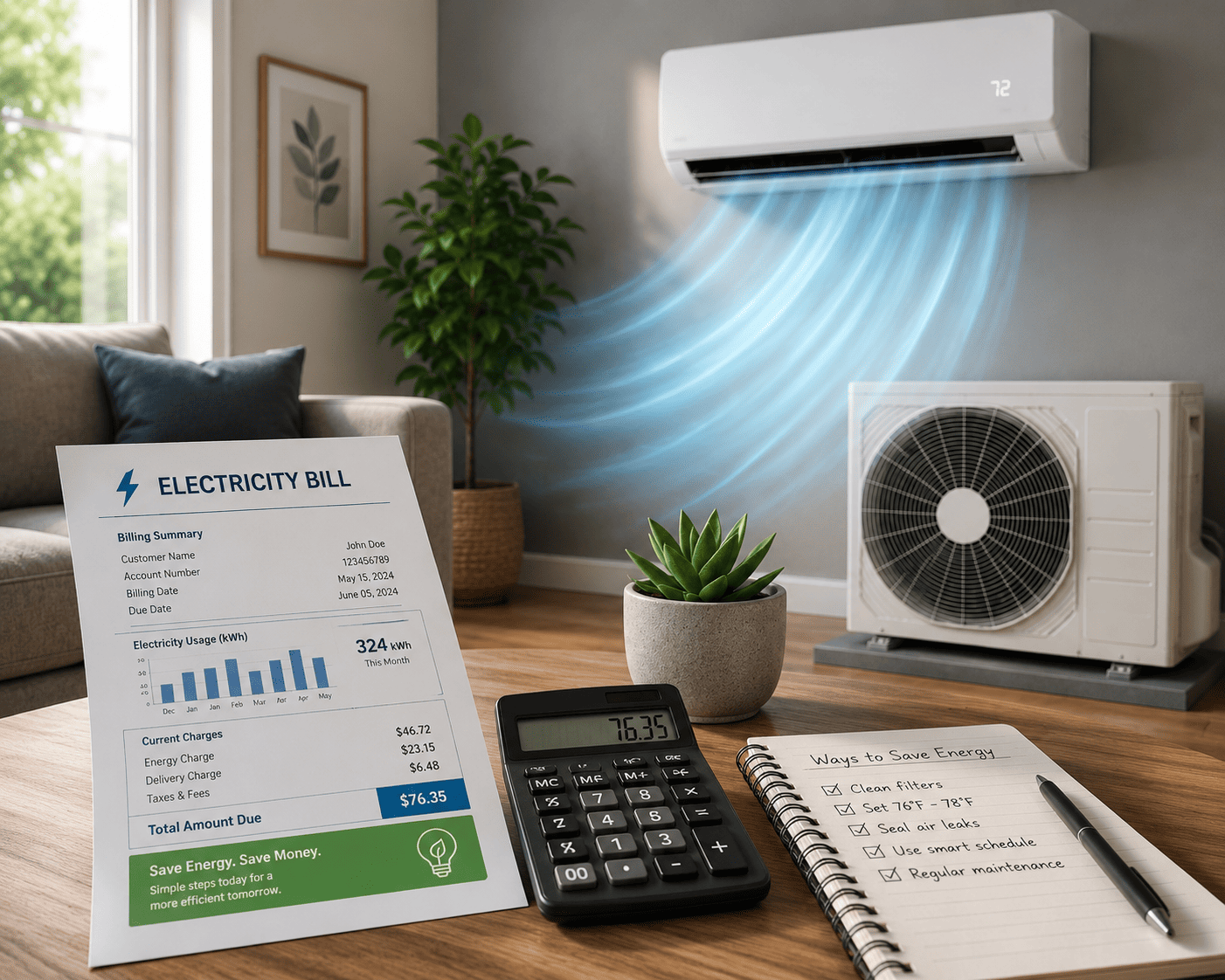
In the summer, residents in Dallas constantly look for cooling systems that deliver strong performance without causing massive electricity bills. That is why mini split AC systems have become one of the fastest-growing HVAC solutions across Texas.
But one of the biggest questions people still ask is: how much electricity does a mini split actually use?
The answer depends on several factors, including system size, efficiency rating, usage habits, insulation, and outdoor temperatures. In this expert HVAC guide, we’ll break down mini split power consumption, running costs, energy-saving tips, SEER ratings, monthly electricity estimates, and what Dallas homeowners should know before installing a ductless AC system.
What Is a Mini Split System?
A mini split, also called a ductless mini split system, is an energy-efficient HVAC solution that heats and cools specific rooms or zones without using ductwork. A typical mini split system includes:
- An outdoor condenser unit
- One or more indoor air handlers
- Refrigerant lines connecting the units
Unlike traditional central air conditioning systems, mini splits deliver conditioned air directly into the room. This zoned cooling approach helps reduce energy waste and improve efficiency. Mini splits are commonly installed in:
- Older homes without ductwork
- Room additions
- Garages
- Home offices
- Apartments
- Sunrooms
- Multi-zone residential properties
In North Texas, many homeowners are now switching to ductless systems because of rising electricity costs and the need for more targeted cooling during long summer seasons.
How Much Electricity Does a Mini Split Use?
The average mini split uses between 500 and 1,500 watts per hour, depending on the system size, efficiency rating, and operating conditions.
Most residential ductless mini split systems consume:
|
Mini Split Size |
Average Watt Usage |
Estimated Monthly Cost |
|
9,000 BTU |
500–700 watts |
$25–$45 |
|
12,000 BTU |
600–900 watts |
$30–$60 |
|
18,000 BTU |
900–1,200 watts |
$50–$85 |
|
24,000 BTU |
1,200–1,500 watts |
$70–$120 |
|
36,000 BTU |
1,500–2,500 watts |
$100–$180 |
These estimates assume:
- Average electricity rates in Texas
- Daily operation during the cooling season
- Moderate thermostat settings
- Properly maintained equipment
Actual electricity consumption can vary significantly depending on how often the unit runs and how efficient the system is.
How Mini Split Energy Consumption Is Calculated?
Mini split electricity usage is usually measured in:
- Watts
- Kilowatt-hours (kWh)
- SEER rating
- EER rating
To estimate operating cost:
Formula:
Electricity Usage (kWh) × Local Electricity Rate = Operating Cost
For example:
- A 12,000 BTU mini split using 800 watts
- Running 8 hours daily
- Electricity rate = $0.16 per kWh
Daily usage:
0.8 kWh × 8 hours = 6.4 kWh
Monthly estimate:
6.4 × 30 = 192 kWh
Monthly operating cost:
192 × $0.16 = about $31 monthly
This is why many homeowners consider ductless mini splits among the most energy-efficient cooling systems available today.
Why Mini Splits Use Less Electricity Than Central AC Systems?
One major reason mini-splits are efficient is that they avoid duct energy loss. According to HVAC industry studies, duct leakage in traditional systems can waste 20%–30% of conditioned air. Mini splits reduce electricity usage through:
-
Zoned Cooling
You cool only occupied rooms instead of the entire house.
-
Inverter Technology
Most modern mini splits use inverter compressors that adjust speed instead of constantly turning on and off.
This reduces:
- Energy spikes
- Compressor strain
- Power consumption
3. No Ductwork Losses
Ductless systems eliminate air leakage through attic ductwork, which is especially important in hot Texas attics.
4. Variable-Speed Operation
Instead of operating at full power continuously, mini-splits maintain steady temperatures efficiently.
What Affects Mini Split Electricity Usage?
Several factors determine how much electricity your mini split consumes.
1. System Size
Larger BTU systems naturally consume more electricity.
A properly sized system is critical because:
- Oversized units short cycle
- Undersized units run continuously
Both situations increase energy waste.
2. SEER Rating
SEER stands for Seasonal Energy Efficiency Ratio.
Higher SEER ratings mean better energy efficiency.
Typical mini split SEER ratings:
- Standard efficiency: 14–16 SEER
- High efficiency: 18–22 SEER
- Premium inverter systems: 25+ SEER
Higher-SEER systems generally cost less to operate long term.
3. Dallas Weather Conditions
Extreme summer temperatures increase cooling demand. In Dallas–Fort Worth, mini-splits often run longer because outdoor temperatures frequently exceed:
- 95°F
- 100°F
- High humidity levels
The hotter the weather, the more electricity the system consumes.
4. Home Insulation
Poor insulation forces HVAC systems to work harder.Energy loss often occurs through:
- Attics
- Windows
- Doors
- Wall gaps
- Older duct systems
Homes with upgraded insulation usually experience noticeably lower cooling costs.
5. Thermostat Settings
Lower thermostat settings increase runtime.For best efficiency:
- Recommended cooling temperature: 76°F–78°F
- Avoid drastic temperature swings
- Use programmable scheduling when possible
6. Maintenance Condition
Dirty HVAC systems consume more electricity.Mini splits should receive regular:
- Coil cleaning
- Filter cleaning
- Refrigerant checks
- Electrical inspections
- Condensate drain cleaning
Routine HVAC maintenance improves efficiency and system lifespan.
How Many Watts Does a Mini Split Use?
Many homeowners search specifically for mini split wattage. Here are typical power consumption ranges:
9,000 BTU Mini Split
- Average watts: 500–700
- Small bedrooms or offices
12,000 BTU Mini Split
- Average watts: 600–900
- Medium-sized rooms
18,000 BTU Mini Split
- Average watts: 900–1,200
- Larger living spaces
24,000 BTU Mini Split
- Average watts: 1,200–1,500
- Open-concept areas
36,000 BTU Mini Split
- Average watts: 1,500–2,500
- Multi-room applications
Actual wattage varies by:
- Brand
- Efficiency
- Compressor technology
- Outdoor temperature
- Usage patterns
Do Mini Splits Use Electricity All the Time?
No, mini-splits do not constantly run at full power. Most modern systems use inverter-driven compressors that adjust output based on demand.
This means:
- Startup energy spikes are reduced
- Steady temperatures are maintained
- Overall, electricity usage stays lower
Once the desired temperature is reached, the system slows down instead of shutting off completely.This operating style improves comfort and energy efficiency.
Mini Split vs Central Air: Which Uses More Electricity?
In many situations, central AC systems consume more electricity than mini splits.
|
System Type |
Energy Efficiency |
Typical Electricity Usage |
|
Mini Split |
Very High |
Lower |
|
Central AC |
Moderate to High |
Higher |
|
Window Unit |
Moderate |
Moderate |
|
Portable AC |
Lower |
Higher |
Mini splits are especially efficient for:
- Partial-home cooling
- Zoned temperature control
- Smaller homes
- Home additions
- Spaces without ductwork
However, central AC may still make sense for larger homes needing whole-house cooling.
How to Reduce Mini Split Electricity Costs?
Reducing mini split electricity costs starts with improving system efficiency and minimizing unnecessary energy use. Simple maintenance habits, better insulation, and smart thermostat settings can significantly lower monthly utility bills while improving indoor comfort and HVAC performance.
- Clean Air Filters Regularly: Dirty filters restrict airflow and force the mini split to consume more electricity.
- Improve Home Insulation: Proper insulation helps keep cool air inside during extreme Texas heat.
- Use Smart Temperature Settings: Keeping temperatures between 76°F and 78°F improves efficiency and lowers energy usage.
- Schedule HVAC Maintenance: Professional tune-ups help the system run efficiently and prevent costly performance issues.
- Seal Air Leaks: Closing gaps around windows, doors, and attics reduces cooling loss and wasted energy.
- Upgrade Older Mini Splits: Modern inverter systems use significantly less electricity than older ductless units.
Signs Your Mini Split May Be Using Too Much Electricity
If your electricity bills suddenly rise, your mini split may have an issue. An HVAC inspection can identify efficiency problems before they become major repairs. Common warning signs include:
- Continuous running
- Weak airflow
- Ice buildup
- Poor cooling performance
- Dirty coils
- Refrigerant leaks
- Strange noises
- Short cycling
Book Professional Mini Split Installation In Dallas With Astar DFW
When it comes to ductless mini split installation in Dallas–Fort Worth, working with experienced HVAC professionals makes all the difference. Proper system sizing, refrigerant setup, airflow balancing, and installation quality directly affect your comfort, energy efficiency, and long-term operating costs. That’s why many North Texas homeowners trust Astar Air Conditioning, Plumbing & Electric for reliable mini split solutions across the DFW area.
With more than 28 years of HVAC experience, Astar provides professional ductless mini split installation, repair, replacement, and maintenance services for residential and commercial properties throughout Dallas–Fort Worth. Their licensed technicians help homeowners choose the right system size and configuration based on room layout, insulation, cooling demands, and energy-efficiency goals.
Contact Us Today
- Website:https://astardfw.com/
- Email: contact@astardfw.com
- Serving Dallas-Fort Worth, TX
Final Thoughts
Mini splits are among the most energy-efficient cooling systems available for modern homes. While electricity usage varies based on system size, efficiency, climate, and usage habits, most homeowners find ductless mini-splits far more efficient than older HVAC systems.
For Dallas–Fort Worth homeowners dealing with long summers, rising energy bills, and uneven indoor comfort, mini-splits can provide powerful cooling with lower electricity consumption when professionally installed and properly maintained.
Whether you are considering a ductless mini split for a single room, garage apartment, home office, or entire property, understanding energy usage helps you make smarter HVAC decisions that improve comfort and reduce long-term utility costs.