


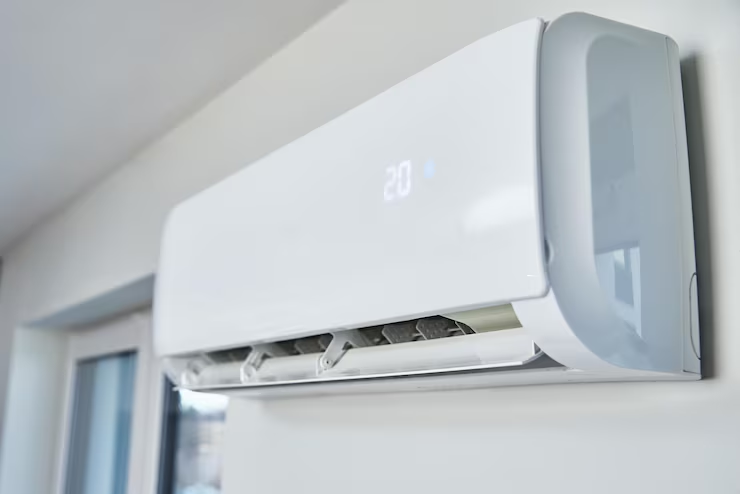
Air conditioners work harder and longer than in many other cooling systems. Between extreme summer heat, high humidity, dust buildup, and heavy seasonal demand, your AC system faces constant strain.
Most people eventually ask the same question: how long should an air conditioner last, and what can be done to make it last longer? The answer depends on maintenance, installation quality, usage habits, climate conditions, and the type of HVAC system installed in your home.
In this guide, we’ll cover the average lifespan of different AC systems, signs your unit is aging, factors that shorten HVAC life expectancy in Texas, expert maintenance strategies to extend system performance, and repair vs. replacement considerations
How Long Do AC Units Last?
The average lifespan of a residential air conditioning system typically ranges between 10 and 20 years. However, that range can vary significantly depending on maintenance history, climate conditions, installation quality, and system workload.
In Dallas–Fort Worth, most central AC systems tend to last:
- 12 to 15 years with average maintenance
- 15 to 20 years with professional maintenance and proper care
- Less than 10 years if neglected or improperly installed
Because Texas summers place heavy stress on HVAC systems, local homeowners often experience faster wear and tear compared to cooler regions.
Average Lifespan of Different Types of AC Systems
-
Central Air Conditioners
Traditional central AC systems usually last around 12–15 years in North Texas. Units that receive annual tune-ups and regular filter changes can exceed that range.
-
Heat Pumps
Heat pumps typically last 10–15 years because they operate year-round for both cooling and heating.
-
Ductless Mini Split Systems
Mini split systems often last 15–20 years when properly maintained. Their efficiency and zoning capabilities can reduce overall system strain.
-
Window AC Units
Window air conditioners generally last 8–12 years, depending on usage frequency and maintenance.
-
Commercial HVAC Systems
Commercial rooftop units and larger HVAC systems may last 15–20 years, but often require more frequent servicing due to heavy operational demands.
Why AC Units in Dallas Wear Out Faster?
Dallas–Fort Worth summers put extreme pressure on residential air conditioning systems. Constant high temperatures, extended cooling seasons, humidity, dust buildup, and nonstop system operation cause AC units to wear out faster than in cooler climates.
- Extreme Texas heat forces AC compressors to run for longer hours.
- Long cooling seasons increase yearly HVAC operating time significantly.
- Dust and pollen buildup restrict airflow inside the system.
- Dirty condenser coils reduce cooling efficiency and increase strain.
- High humidity makes AC systems remove both heat and moisture.
- Continuous operation accelerates electrical component wear and tear.
- Restricted airflow can lead to overheating and premature AC failure.
What Factors Affect the Lifespan of an AC Unit?
Several critical factors influence HVAC system lifespan.
-
Installation Quality
Improper AC installation is one of the leading causes of premature HVAC failure. Incorrect sizing can lead to:
- Short cycling
- Excessive runtime
- Uneven cooling
- Compressor stress
- Increased energy bills
An oversized system cycles on and off too frequently, while an undersized unit runs constantly.
Professional installation from experienced HVAC contractors like Astar Air Conditioning, Plumbing & Electric helps ensure proper airflow, refrigerant charge, duct sizing, and equipment compatibility.
-
Maintenance Frequency
Routine maintenance directly impacts how long your air conditioner survives. Well-maintained systems experience:
- Fewer breakdowns
- Better airflow
- Lower operating temperatures
- Reduced compressor strain
- Improved efficiency
Neglected systems accumulate dirt, lose efficiency, and suffer from premature component failure.
-
Air Filter Replacement
Dirty filters restrict airflow and force the blower motor and compressor to work harder.Most homeowners should replace filters every:
- 30–60 days during heavy summer use
- 90 days under lighter conditions
- More frequently if pets or allergies are present
-
Thermostat Settings
Constantly setting the thermostat extremely low can overwork the system.Recommended summer thermostat settings:
- 74–78°F while home
- 78–82°F when away
Smart thermostat usage can significantly reduce system strain.
-
Ductwork Condition
Leaky or damaged ducts increase HVAC workload by wasting cooled air. Poor duct systems can reduce efficiency by 20–30%.
-
Indoor Airflow
Blocked vents, dirty coils, and poor insulation all contribute to excessive runtime and shortened AC lifespan.
Signs Your AC Unit Is Nearing the End of Its Lifespan
Many homeowners wait until their air conditioner completely stops working before considering replacement. However, most aging AC systems show several warning signs before total failure occurs. Recognizing these issues early can help prevent expensive breakdowns, rising energy costs, and indoor comfort problems.
Frequent Repairs
If your air conditioner needs multiple repairs every summer, replacing the system may become more cost-effective than continuing repairs. Common recurring AC problems include:
- Refrigerant leaks
- Capacitor failures
- Frozen evaporator coils
- Compressor issues
- Electrical malfunctions
Rising Energy Bills
Older AC units gradually lose efficiency over time. If your electricity bills continue increasing despite normal usage habits, your HVAC system may be working harder to maintain indoor temperatures.
Uneven Cooling
Hot spots, inconsistent temperatures, and weak airflow throughout the home often indicate aging HVAC equipment struggling to distribute air properly.
Strange Noises
Grinding, rattling, buzzing, squealing, or banging noises can signal serious internal wear and failing components inside the air conditioning system.
Excess Indoor Humidity
An aging AC system may no longer remove moisture effectively, leaving your home feeling damp, sticky, and uncomfortable even while the system is running.
Constant Cycling
Short cycling occurs when the AC turns on and off too frequently. This may indicate:
- Compressor problems
- Thermostat malfunctions
- Improper system sizing
- Airflow restrictions
R-22 Refrigerant Systems
If your air conditioner still uses R-22 refrigerant, replacement often becomes the smarter long-term investment. Since R-22 production has been phased out, repairs involving refrigerant leaks can become increasingly expensive.
How to Extend the Lifespan of Your AC Unit
Homeowners can significantly extend the lifespan of their air conditioning systems by following proper HVAC maintenance practices, improving energy efficiency, and reducing unnecessary system strain. Preventive care helps lower repair costs, improve comfort, and keep your AC running efficiently during extreme Dallas–Fort Worth summers.
-
Schedule Professional HVAC Maintenance Twice Per Year
Routine HVAC tune-ups are one of the most important factors in extending AC system lifespan and preventing costly breakdowns. Professional AC maintenance typically includes:
- Coil cleaning
- Refrigerant level checks
- Electrical testing
- Condensate drain cleaning
- Airflow inspection
- Thermostat calibration
- Lubrication of moving parts
- Capacitor testing
In Dallas, scheduling spring AC maintenance before peak summer heat arrives is especially important.
-
Change Air Filters Regularly
Clean air filters help your HVAC system operate more efficiently while reducing strain on internal components. Benefits of regular filter replacement include:
- Improved airflow
- Better indoor air quality
- Increased energy efficiency
- Added compressor protection
This simple maintenance step alone can add years to your AC unit’s lifespan.
-
Keep Outdoor Condenser Units Clean
Outdoor condenser units require proper airflow to cool efficiently. Homeowners should:
- Remove leaves and debris regularly
- Keep bushes and vegetation trimmed back
- Carefully clean condenser coils
- Avoid blocking airflow around the unit
Restricted airflow can cause overheating and excessive compressor wear.
-
Install a Smart Thermostat
Smart thermostats help reduce unnecessary AC runtime and optimize indoor comfort. Benefits include:
- Lower energy consumption
- Reduced compressor strain
- Better humidity management
- Improved temperature control
Smart scheduling can help your system operate more efficiently throughout the day.
-
Improve Home Insulation
Proper insulation helps maintain indoor temperatures and reduces cooling demand on your AC system. Key insulation areas include:
- Attic insulation
- Window sealing
- Door weatherstripping
- Duct insulation
Better insulation helps your HVAC system cool the home faster and run less often.
-
Seal Air Leaks
Air leaks force your air conditioner to work harder to maintain indoor comfort levels. Common air leak locations include:
- Attics
- Windows
- Doors
- Duct joints
- Crawl spaces
Sealing leaks can improve HVAC efficiency and reduce system wear.
-
Avoid Overworking the System
Setting your thermostat extremely low will not cool your home faster. Instead, it forces the system to run longer and increases wear on major components.
-
Use Ceiling Fans
Ceiling fans help circulate cool air more effectively, reducing the workload placed on your air conditioning system during hot Texas summers.
-
Keep Vents Open
Closing air vents can increase system pressure, reduce airflow efficiency, and place additional strain on your HVAC equipment.
Repair vs. Replace: When Should You Replace an Old AC Unit?
Many Dallas homeowners wonder whether repairing an aging system still makes financial sense.
Consider Replacement If:
- Your system is over 12–15 years old
- Repairs are becoming frequent
- Energy bills are increasing
- Cooling performance is declining
- Your system uses R-22 refrigerant
- Repair costs exceed 30–50% of replacement cost
Consider Repair If:
- The unit is under 10 years old
- Repairs are minor
- Efficiency remains acceptable
- The compressor is healthy
An experienced HVAC inspection can help determine the best long-term investment.
FAQs About AC System Lifespan
How long do AC units last in Texas?
In Texas, most residential air conditioning systems last around 12–15 years due to extreme heat, long cooling seasons, and high system workload. From our experience in Dallas homes:
- Well-maintained systems: 15–18 years
- Average maintenance systems: 12–15 years
- Poorly maintained systems: 8–12 years
What is the average life expectancy of a central air conditioner?
A central AC system typically lasts between 10–20 years, depending on:
- Installation quality
- Maintenance frequency
- Daily usage hours
- Duct condition
- Outdoor environmental stress
In North Texas, most systems fall closer to the 12–15 year range due to longer cooling demand.
Can HVAC maintenance really extend AC lifespan?
Yes, regular maintenance can realistically extend system life by 3 to 7 years.At Astar, we consistently see that properly serviced systems:
- Run more efficiently
- Experience fewer breakdowns
- Avoid compressor failure
- Maintain better airflow and cooling balance
Preventive care is far more cost-effective than emergency repairs.
How often should AC systems be serviced?
We strongly recommend:
- 2 times per year (minimum)
- Spring tune-up (before summer heat)
- Fall inspection (post-summer check)
This is especially important in Dallas–Fort Worth because AC systems run almost continuously for months.
What kills AC compressors?
The compressor is the most expensive component in your system and also the most vulnerable if maintenance is ignored. Most common causes of compressor failure include:
- Dirty evaporator or condenser coils
- Low or leaking refrigerant
- Electrical faults (capacitors/contactors)
- Poor airflow or clogged filters
- Overheating due to long runtime
- Lack of routine maintenance
In our field experience, restricted airflow and dirty coils are the top two causes.
Is it better to repair or replace a 15-year-old AC unit?
In most Dallas homes, a 15-year-old AC system is at the replacement stage, especially if:
- Repairs are becoming frequent
- Energy bills are rising
- Cooling performance is inconsistent
- The system uses outdated refrigerant (R-22)
At Astar, we typically advise replacement when repair costs exceed 30–50% of a new system, or when efficiency has significantly dropped.
Does turning the AC off during the day help?
Not always. Completely shutting off your AC during hot Texas days can actually increase strain when restarting.
Better approach:
- Use a smart thermostat schedule
- Raise temperature slightly when away (78–82°F)
- Avoid extreme temperature swings
This helps maintain steady system operation and reduces compressor stress.
Can dirty air filters damage an AC system?
Yes, dirty air filters are one of the most common causes of HVAC failure. When filters are clogged:
- Airflow drops significantly
- The system runs longer cycles
- Coils may freeze
- Compressor workload increases
At Astar, we’ve seen many “major breakdowns” that started with something as simple as a neglected air filter.
Contact Trusted HVAC Experts in Dallas
If your air conditioner is showing signs of wear, struggling in the Texas heat, or simply due for maintenance, the team at Astar Air Conditioning, Plumbing & Electric is here to help. We provide fast, reliable, and professional HVAC services across Dallas–Fort Worth, designed to keep your home comfortable year-round.
Book Professional AC Service Today
Don’t wait for a breakdown during peak summer heat. Regular servicing helps extend your AC lifespan, reduce energy bills, and improve indoor comfort. Contact Astar Air Conditioning, Plumbing & Electric today to schedule your HVAC service in Dallas and keep your cooling system running efficiently all season long.
- Website:https://astardfw.com/
- Email: contact@astardfw.com
- Serving Dallas-Fort Worth, TX
Final Thoughts
Air conditioners are not designed to last forever, especially in the demanding Dallas–Fort Worth climate. However, with proper maintenance, smart usage habits, professional installation, and timely repairs, homeowners can significantly extend HVAC lifespan while improving comfort and energy efficiency.
Most AC systems last between 12 and 15 years in Texas, but proactive care can push that lifespan closer to 20 years. Regular maintenance, clean airflow, efficient thermostat settings, and early problem detection remain the most effective ways to protect your HVAC investment.
If your system is showing signs of aging, struggling during summer heat, or driving up energy bills, a professional evaluation can help determine whether repair or replacement makes the most financial sense for your home.