


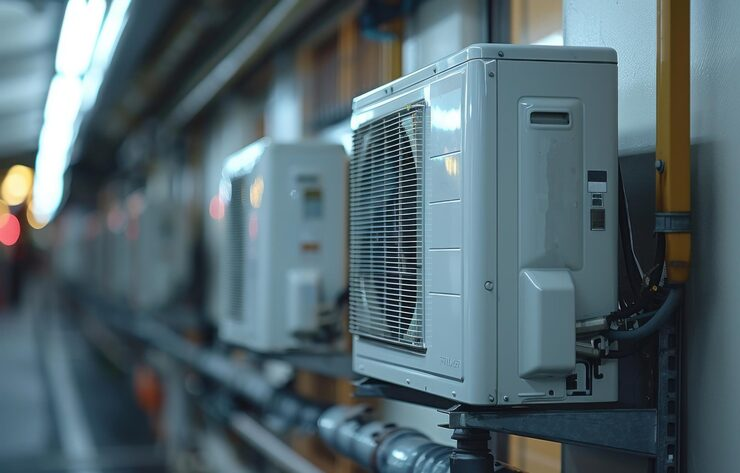
Older air conditioning systems consume more electricity, cycle aggressively, create uneven temperatures, and often fail to manage indoor humidity properly. As utility costs rise and summers become more extreme, homeowners are increasingly searching for smarter, energy-efficient HVAC solutions that provide better comfort without driving up monthly expenses.
That’s where high-SEER2 HVAC systems are changing the conversation.
Designed to meet newer energy-efficiency standards, high-SEER2 air conditioning systems deliver improved cooling performance, lower energy consumption, quieter operation, and better indoor comfort for homes across Dallas–Fort Worth.
In this guide, we’ll break down the real benefits of installing a high-SEER2 HVAC system, how these systems perform during extreme Texas summers, what homeowners should know before upgrading, and why energy-efficient HVAC technology is becoming one of the most important home comfort investments today.
What Is a High-SEER2 HVAC System?
SEER2 stands for Seasonal Energy Efficiency Ratio 2, the updated federal efficiency standard used to measure how efficiently an HVAC system cools your home. It replaced the older SEER rating system to provide more realistic performance testing based on actual operating conditions.
A higher SEER2 rating means the air conditioning system uses less energy to produce the same amount of cooling. In simple terms, high-SEER2 HVAC systems deliver better efficiency, lower electricity usage, and more consistent comfort.
Today, many modern HVAC systems range from:
- 13.4 SEER2 (minimum standard in some regions)
- 15–17 SEER2 (mid-efficiency systems)
- 18–25+ SEER2 (high-efficiency premium systems)
For homeowners in Dallas–Fort Worth, where cooling systems operate for much of the year, efficiency matters significantly more than in milder climates.
Why SEER2 Ratings Matter in Texas?
Texas summers place enormous demand on residential air conditioning systems. In cities like Dallas, Fort Worth, Plano, McKinney, Arlington, and Frisco, HVAC systems often run daily for extended periods between late spring and early fall.
A low-efficiency HVAC system may:
- Consume excessive electricity
- Struggle to maintain indoor temperatures
- Create uneven cooling
- Increase humidity problems
- Wear out faster under heavy workload
High-SEER2 systems are specifically beneficial in hot climates because they reduce energy consumption while maintaining stable indoor comfort. The longer your AC runs throughout the year, the more valuable higher efficiency becomes.
Key Benefits of Installing a High-SEER2 HVAC System
Here are some of the biggest benefits of installing a high-SEER2 HVAC system for your Dallas–Fort Worth home.
-
Lower Monthly Energy Bills
One of the biggest reasons homeowners upgrade to a high-SEER2 HVAC system is energy savings.
Older HVAC systems waste significant amounts of electricity during cooling cycles. High-efficiency systems use advanced compressors, variable-speed motors, and smarter airflow management to reduce energy usage.
Over time, this can lead to substantial savings on utility bills, especially during peak Texas summer months.
Energy-saving advantages include:
- Reduced electrical consumption
- Lower peak energy demand
- Improved cooling output per watt used
- Better system cycling efficiency
- Reduced strain during extreme heat
For Dallas homeowners dealing with rising electricity costs, upgrading to a high-SEER2 air conditioner can noticeably reduce long-term operating expenses.
-
Improved Indoor Comfort
Many older HVAC systems cool unevenly. Some rooms feel cold while others stay warm or humid. High-SEER2 systems are designed to maintain more consistent temperatures throughout the home.
Modern systems often include:
- Variable-speed compressors
- Multi-stage cooling
- Smart thermostatic controls
- Enhanced airflow balancing
- Better humidity management
These features create smoother cooling performance instead of abrupt on/off temperature swings.
Homeowners often notice:
- More even room temperatures
- Fewer hot spots
- Faster cooling recovery
- Better airflow consistency
- Improved sleep comfort during summer nights
-
Better Humidity Control
Humidity is a major issue across Dallas–Fort Worth. Even when temperatures are manageable, excess indoor moisture can make your home feel sticky and uncomfortable.
High-SEER2 HVAC systems help remove humidity more effectively because many operate at lower speeds for longer periods. This extended runtime improves moisture removal without overcooling the home.
Better humidity control can help:
- Improve indoor air quality
- Reduce mold and mildew risks
- Increase overall comfort
- Prevent musty odors
- Reduce indoor allergens
For North Texas homeowners, humidity control is often just as important as temperature control.
-
Reduced Wear and Tear on HVAC Components
Traditional single-stage HVAC systems constantly cycle on and off at full power. This repeated hard-start operation increases stress on internal components.
High-SEER2 systems with variable-speed or two-stage technology operate more gradually and efficiently, reducing strain on:
- Compressors
- Blower motors
- Capacitors
- Electrical components
- Refrigerant systems
As a result, many high-efficiency HVAC systems experience:
- Fewer breakdowns
- Longer operational lifespan
- Reduced maintenance issues
- Improved reliability during heat waves
This is especially important in Texas, where HVAC systems face extended seasonal demand.
-
Faster and More Consistent Cooling Performance
Many homeowners assume higher efficiency means weaker cooling. In reality, properly installed high-SEER2 systems often cool homes more effectively.
Modern systems improve performance through:
- Advanced airflow engineering
- Better refrigerant management
- Smarter compressor modulation
- Precision thermostat integration
This allows the HVAC system to maintain stable indoor conditions even during extreme outdoor temperatures exceeding 100°F.
High-SEER2 systems are particularly valuable for:
- Large homes
- Multi-story homes
- Open floor plans
- Homes with high sun exposure
- Older homes with insulation challenges
-
Quieter HVAC Operation
Noise reduction is another major advantage. Older HVAC systems often create loud startup noises, aggressive airflow sounds, and noticeable compressor operation.
Many high-SEER2 systems operate much quieter due to:
- Variable-speed fan motors
- Sound-insulated compressor cabinets
- Reduced cycling frequency
- Smoother airflow transitions
This creates a more peaceful indoor and outdoor environment.
-
Environmentally Friendly Cooling
Energy-efficient HVAC systems reduce electricity consumption, which lowers environmental impact.
Benefits include:
- Reduced carbon emissions
- Lower energy demand on the electrical grid
- Improved refrigerant efficiency
- Reduced overall household energy footprint
As federal energy standards continue evolving, high-SEER2 systems align with modern sustainability goals while helping homeowners save money.
-
Smart Technology Integration
Most modern high-SEER2 HVAC systems integrate easily with smart home technology.
Features may include:
- Smart thermostats
- Wi-Fi system monitoring
- Remote temperature control
- Energy usage tracking
- Automated scheduling
- Zoned comfort management
These features improve both convenience and efficiency.
Smart HVAC technology is becoming increasingly popular among Dallas homeowners looking to optimize cooling performance and energy savings.
-
Increased Home Value
Energy-efficient home upgrades can improve property appeal and resale value. Potential buyers increasingly look for:
- Lower operating costs
- Modern HVAC systems
- Smart home compatibility
- Energy-efficient features
- Reliable cooling systems
A newer high-SEER2 HVAC system can become a strong selling point in the competitive Dallas–Fort Worth housing market.
Is a High-SEER2 HVAC System Worth the Cost?
For many homeowners, yes. Although high-efficiency systems typically cost more upfront, they often provide long-term financial benefits through:
- Lower energy bills
- Reduced repair costs
- Longer system lifespan
- Better performance
- Increased comfort
The actual return on investment depends on factors such as:
- Home size
- Existing ductwork condition
- Current HVAC efficiency
- Usage habits
- Local utility costs
- System sizing accuracy
In hot climates like Texas, the payback period is often faster because the air conditioning system runs frequently throughout the year.
How to Choose the Right SEER2 Rating for Your Home
Choosing the right SEER2 rating is not about picking the highest number. The best HVAC system for your home depends on size, budget, insulation, and how long you plan to stay in the property. In Dallas–Fort Worth, where AC systems run most of the year heavily, the right balance between efficiency and cost is what truly matters.
Higher Isn’t Always Better
A higher SEER2 HVAC system offers better energy efficiency, but it won’t perform well if the system is not properly sized or installed. A correctly matched mid-range system can often deliver better real-world comfort than an oversized high-end unit.
Your Home Size
Larger homes usually benefit more from high-SEER2 variable-speed systems because they provide more consistent airflow and better temperature control across multiple rooms. Smaller homes may not need the highest efficiency rating to stay comfortable and energy efficient.
Your Budget
Higher SEER2 systems cost more upfront but can reduce long-term energy bills. If you want quick savings on installation, a mid-range system may be a better balance between cost and efficiency.
How Long You Plan to Stay in the Home
If you plan to stay long-term, investing in a high-SEER2 HVAC system makes more sense because you recover costs through lower energy bills. For shorter stays, a mid-range system is often more practical.
Existing Ductwork and Insulation
Even the best HVAC system will underperform if your ductwork is leaking or insulation is poor. A proper home inspection ensures the SEER2 rating actually delivers real efficiency and comfort.
FAQs
What Is Considered a Good SEER2 Rating?
For Texas homes, a good SEER2 rating typically starts at 15–17 SEER2, which offers a strong balance of energy efficiency, cooling performance, and cost. In the Dallas–Fort Worth climate, where HVAC systems run heavily for most of the year, this range delivers reliable comfort and noticeable energy savings. Premium high-SEER2 HVAC systems can exceed 20 SEER2, offering even greater efficiency for long-term homeowners.
At Astar Air Conditioning, Plumbing & Electric, we often recommend SEER2 ratings based on your home size, insulation, and cooling needs rather than a one-size-fits-all number.
Does Higher SEER2 Mean Better Cooling?
Not necessarily stronger cooling, but it does mean more efficient and more consistent cooling. High-SEER2 HVAC systems improve temperature stability, reduce humidity, and eliminate hot and cold spots throughout the home.
In real-world performance, homeowners in Dallas–Fort Worth often notice improved comfort rather than just “colder air,” especially during peak summer heat.
Are High-SEER2 Systems More Expensive to Repair?
High-SEER2 systems can include advanced components like variable-speed compressors and smart controls, which may be more complex. However, they often experience fewer breakdowns because they operate more smoothly and avoid constant on-off cycling.
With proper installation and maintenance from a trusted provider like Astar DFW Air Conditioning Services, repair needs are typically reduced over time.
Will a High-SEER2 HVAC System Reduce My Electric Bill?
Yes. In most cases, upgrading to a high-SEER2 HVAC system significantly reduces electricity usage compared to older or low-efficiency units. Since cooling is one of the biggest energy costs in Texas homes, improved efficiency can lead to noticeable monthly savings.
The exact reduction depends on your home size, usage habits, and insulation quality, but long-term savings are one of the main reasons homeowners upgrade.
How Long Does a High-SEER2 HVAC System Last?
With proper installation and regular maintenance, a high-SEER2 HVAC system can last 15–20 years or more. Longevity depends on usage patterns, filter changes, coil cleaning, and seasonal servicing.
Professional installation plays a major role in extending system life, especially in demanding climates like Dallas–Fort Worth.
Can I Upgrade to a High-SEER2 System Without Replacing Ductwork?
In some cases, yes, but it depends on the condition of your existing ductwork. If ducts are properly sealed, sized correctly, and free from major leaks, an upgrade may be possible without replacement.
However, if ductwork is inefficient, it can reduce overall HVAC performance and limit the benefits of a high-SEER2 system. That’s why a full system evaluation from an HVAC professional is always recommended before upgrading.
Book Professional High-SEER2 HVAC Installation in Dallas–Fort Worth
At Astar Air Conditioning, Plumbing & Electric, we help homeowners across Dallas–Fort Worth choose energy-efficient HVAC systems built for Texas conditions. Our experienced technicians evaluate your home’s cooling needs, insulation, airflow, and comfort goals to recommend the right high-SEER2 solution for long-term performance and savings.
Whether you need a complete HVAC replacement, energy-efficient air conditioning upgrade, or professional cooling consultation, our team delivers expert installation and reliable service throughout the DFW Metroplex. Learn more about our air conditioning services here
Visit: Astar DFW Air Conditioning Services
- Website:https://astardfw.com/
- Email: contact@astardfw.com
- Serving Dallas-Fort Worth, TX
Final Thoughts
Installing a high-SEER2 HVAC system is one of the smartest long-term investments homeowners can make in Dallas–Fort Worth. With rising energy costs, intense summer temperatures, and growing demand for indoor comfort, high-efficiency systems provide meaningful advantages in performance, reliability, and operating costs.
Beyond lower utility bills, these systems improve airflow, humidity control, cooling consistency, and overall home comfort while helping reduce environmental impact. When properly installed and maintained, a high-SEER2 HVAC system can deliver years of efficient and dependable performance even during the toughest Texas summers.