


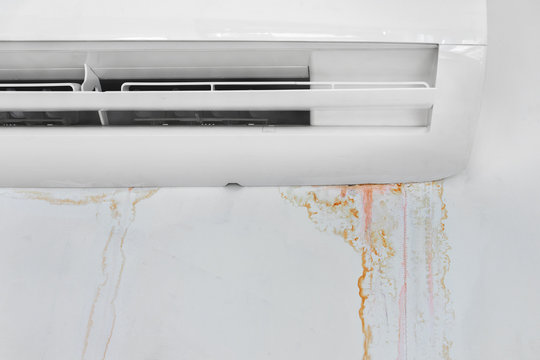
You walk into your home expecting cool, comfortable air, but instead, you notice water pooling around your AC unit or dripping from the ceiling. It’s frustrating, messy, and a clear sign that something isn’t right. An air conditioner leaking water inside your home isn’t just an inconvenience it can quickly turn into costly damage if the root cause isn’t addressed.
A leaking air conditioner is often a warning sign that something inside your HVAC system isn’t working properly. From clogged drain lines to frozen evaporator coils, water leakage can point to underlying issues that affect both performance and efficiency. Left unchecked, it can lead to mold growth, structural damage, and even system failure.
In this expert guide, we’ll break down the real reasons why your home air conditioner is leaking water inside, the 8 most common causes, how to identify each issue, practical repair solutions, prevention tips, and when it’s time to call a professional HVAC company like Astar DFW in Dallas.
Why Your AC Produces Water in the First Place?
If your air conditioner is leaking water inside, the first thing to understand is this: some water production is completely normal. In fact, it’s a sign your system is doing its job.
Your AC doesn’t just cool your home; it also removes excess humidity from the air. When warm indoor air passes over the cold evaporator coil, moisture in the air condenses into water droplets (just like water forming on a cold glass on a hot day).
Here’s how that process is supposed to work:
- The moisture collects in a drain pan beneath the evaporator coil
- It flows through a condensate drain line
- And is safely discharged outside your home
So, Why Is Water Leaking Inside?
A leak happens when this drainage process is interrupted. Instead of flowing out properly, the water backs up and spills over into your home.
This usually means:
- The drain line is blocked or clogged
- The drain pan is damaged or overflowing
- Or the system is producing more condensation than it can handle (often due to airflow or refrigerant issues)
Key Insight from HVAC Experts
Water leaking inside is not the actual problem; it’s a symptom. The real issue lies somewhere in your AC’s drainage, airflow, or cooling system. Identifying that root cause early can save you from expensive repairs and long-term damage.
8 Potential Causes of AC Leaking Water Inside
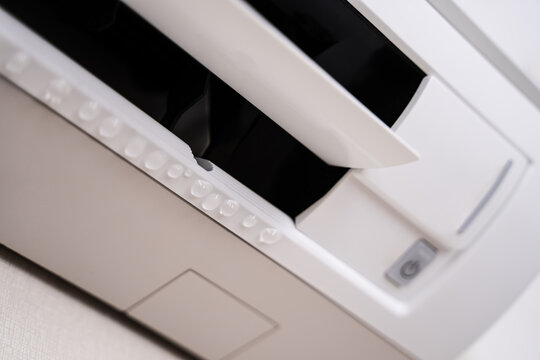
Here are some of the most common causes of AC leaking water inside.
1. Clogged Condensate Drain Line (Most Common Cause)
A clogged condensate drain line is the most common reason your AC leaks water indoors, especially in high-humidity areas like Dallas. Over time, dust, debris, algae, and mold accumulate inside the pipe, blocking proper drainage. This forces water to back up into the drain pan and eventually overflow into your home.
Why it happen:
- Dirt, dust, algae, and mold build up inside the pipe
- Blockage prevents water from draining properly
- Water backs up into the drain pan and overflows
Signs to look for:
- Water is pooling around the indoor unit
- Musty smell from vents
- AC shutting off unexpectedly (float switch triggered)
Solution:
- Use a wet/dry vacuum to clear the clog
- Flush with vinegar or cleaning solution
- Schedule professional drain line cleaning
2. Dirty or Clogged Air Filter
A neglected air filter can quietly lead to serious AC issues, including water leaks. When airflow is restricted, the evaporator coil becomes too cold and freezes. Once the ice melts, excess water overwhelms the drainage system, causing leaks inside your home and reducing overall cooling efficiency.
Why does it happen:
- Restricted airflow causes the evaporator coil to get too cold
- Coil freezes and later melts, producing excess water
- The drain system gets overwhelmed
Symptoms:
- Weak airflow
- Ice on AC components
- Water leakage after the system cycles off
Fix:
- Replace air filters every 1–3 months
- Use the correct MERV rating for your system
3. Frozen Evaporator Coil
A frozen evaporator coil is a serious warning sign that your HVAC system is struggling. When airflow is restricted or refrigerant levels are low, the coil temperature drops excessively, causing ice buildup. Once the ice melts, large amounts of water can overflow the drain system and leak inside.
Causes:
- Low refrigerant levels
- Dirty coils
- Blocked airflow
What happens:
- Ice builds up on the coil
- When it melts, excess water floods the drain pan
Warning signs:
- The AC is blowing warm air
- Ice visible on the indoor unit
- Sudden water leaks
Solution:
- Turn off AC immediately
- Let the coil thaw
- Call a professional technician for inspection
4. Damaged or Rusted Drain Pan
The drain pan is designed to collect condensation before it exits through the drain line. Over time, especially in older systems, the pan can rust, crack, or corrode. When this happens, water leaks directly from the damaged pan instead of draining properly, leading to visible indoor leakage.
Why it fails:
- Rust and corrosion over time
- Cracks or holes in older units
Signs:
- Water dripping directly under the unit
- Visible rust in the pan
Fix:
- Replace the drain pan
- Upgrade older AC units if damage is extensive
5. Improper AC Installation
Improper AC installation can lead to long-term drainage issues that cause water leaks inside your home. If the AC unit is not level or the drain line is incorrectly sloped, water cannot flow properly. These hidden issues often go unnoticed until leakage or performance problems begin.
Common issues:
- Incorrect unit leveling
- Poor drain line slope
- Loose connections
Result:
- Water doesn’t flow properly
- The drainage system fails
Solution:
- Have your system inspected by certified HVAC professionals
- Reinstall or adjust components as needed
6. Low Refrigerant Levels
Low refrigerant levels affect your AC’s ability to regulate temperature properly. When refrigerant is insufficient, pressure drops, and the evaporator coil becomes too cold, leading to freezing. As the ice melts, excess water is produced, often overwhelming the drain system and causing indoor leaks.
What happens when it’s low:
- Pressure drops
- Coil freezes
- Ice melts into excess water
Signs:
- Hissing sounds (possible leak)
- Reduced cooling performance
- Ice buildup
Fix:
- Refrigerant recharge (by licensed technician only)
- Leak detection and repair
7. Disconnected or Broken Drain Line
A disconnected or broken drain line can cause immediate and noticeable water leakage. This issue is often mechanical, resulting from poor installation, aging components, or vibrations that loosen connections over time. Without a proper drainage path, water leaks directly into your home.
Causes:
- Poor installation
- Wear and tear
- Vibration loosening connections
Symptoms:
- Immediate water leakage
- No visible clog
Solution:
- Reconnect or replace the drain line
- Secure fittings properly
8. Faulty Condensate Pump (For Basement Units)
In homes where the AC system is installed below ground level, a condensate pump is required to move water upward and out. If the pump fails due to mechanical or electrical issues, water cannot drain properly, leading to overflow and indoor leakage.
Problem:
- The pump fails to remove water
- Drain pan overflows
Signs:
- Water is pooling near the unit
- Pump not making a noise
Fix:
- Repair or replace the pump
- Ensure proper electrical connection
How to Fix an Air Conditioner Leaking Water Inside
When your AC starts leaking water, acting quickly can prevent serious damage to your home and HVAC system. While some issues can be resolved with basic troubleshooting, others may require professional attention. Follow this step-by-step checklist to identify and fix the problem effectively.
1. Turn off your AC system immediately
The first and most important step is to shut down your air conditioner. Continuing to run a leaking system can worsen water damage, strain internal components, and even create electrical hazards. Turning it off also allows frozen parts, like coils, to safely thaw.
2. Check and replace the air filter
A dirty or clogged air filter restricts airflow, which can cause the evaporator coil to freeze and later leak water when it melts. Remove the filter and inspect it—if it looks dusty or blocked, replace it with a clean one to restore proper airflow and system efficiency.
3. Inspect the drain pan for damage
Carefully examine the drain pan located beneath your indoor unit. Look for cracks, rust, or standing water. If the pan is damaged, it won’t hold or channel water properly, leading to leaks. Minor issues may be sealed temporarily, but replacement is the best long-term solution.
4. Clear the condensate drain line
A clogged drain line is one of the most common causes of AC leaks. Use a wet/dry vacuum to suction out any blockage from the outside drain pipe. You can also flush the line with a vinegar or mild cleaning solution to remove algae and debris buildup.
5. Look for ice on the evaporator coils
Open the access panel and check for visible ice on the coils. If you notice freezing, leave the system off and allow it to fully thaw. Frozen coils usually indicate airflow problems or low refrigerant, both of which may require professional inspection.
6. Ensure proper installation angle
Your AC unit should be slightly tilted to allow water to flow smoothly into the drain line. If it’s not level or incorrectly positioned, water can collect and overflow. Check the alignment and adjust carefully, or have a technician correct the installation if needed.
7. Reset the system after inspection
Once you’ve completed these checks and fixes, turn your AC back on and monitor it closely. Watch for any signs of continued leakage, unusual noises, or reduced cooling performance. This helps confirm whether the issue has been resolved.
When to Call a Professional HVAC Expert in Dallas?
If the leak continues after following these steps, it’s likely a deeper issue such as low refrigerant, a faulty condensate pump, or internal component failure. In such cases, professional HVAC service is essential to properly diagnose and fix the root cause.
For homeowners in Dallas, this is where a trusted HVAC company like Astar DFW makes all the difference. With years of hands-on HVAC experience, their certified technicians can quickly identify the exact cause of your AC leak, whether it’s a hidden refrigerant issue, a blocked drain system, or an installation problem.
From emergency AC repairs in Dallas to full system inspections and maintenance, Astar DFW ensures your air conditioning system runs efficiently, safely, and leak-free, especially during the intense Texas heat. If you’re dealing with recurring water leaks, getting expert help now can save you from much bigger problems later.
Final Thoughts: Don’t Ignore AC Water Leaks
An air conditioner leaking water inside your home is never something to ignore. What starts as a minor issue, like a clogged drain line, can quickly escalate into mold growth, water damage, or complete system failure.
The key is early detection, proper maintenance, and expert support when needed.
If you’re dealing with persistent AC leaks in Dallas, it’s time to take action. Whether it’s a quick fix or a deeper system issue, professional HVAC service ensures your home stays cool, dry, and protected.
FAQs:
Why is my AC leaking water inside but still cooling?
At Astar DFW, we often see systems that continue cooling even while leaking water. This usually means the core cooling function is still working, but there’s a drainage or airflow issue—most commonly a clogged drain line or a partially frozen evaporator coil. While it may seem harmless, this is an early warning sign. If ignored, it can quickly lead to system shutdown, water damage, or costly repairs. It’s best to have it inspected before the problem escalates.
Is AC water leakage dangerous?
Yes—according to our HVAC experts at Astar DFW, water leakage should never be ignored. Even a small leak can create serious risks, including:
- Electrical hazards if water reaches wiring or components
- Mold and mildew growth, especially in humid Dallas conditions
- Structural damage to ceilings, walls, and flooring
Addressing the issue early helps protect both your home and your HVAC system.
How much does it cost to fix an AC leaking water?
At Astar DFW, the cost depends on the root cause of the leak. Simple fixes are affordable, while complex issues require more extensive work:
- Drain line cleaning or minor blockage removal: Low cost
- Drain pan replacement or minor repairs: Moderate cost
- Refrigerant leaks, coil issues, or major repairs: Moderate to high
We always recommend a professional inspection first, so you only pay for exactly what your system needs nothing more.
Can I use my AC if it’s leaking water?
Our experts at Astar DFW strongly advise against running your AC while it’s leaking. Even if it’s still cooling, continued operation can:
- Worsen internal damage
- Increase water overflow
- Lead to electrical risks
The safest approach is to turn off the system, perform basic checks, and call a professional if the issue isn’t immediately resolved.
How do I unclog my AC drain line?
At Astar DFW, we recommend a few basic steps homeowners can try safely:
- Use a wet/dry vacuum to remove blockage from the outdoor drain line
- Flush the line with a vinegar or mild cleaning solution to break down the buildup
However, for stubborn clogs or recurring issues, professional cleaning is more effective. Our team uses specialized tools to fully clear the line and prevent future blockages.
Why is my AC leaking water after turning it off?
This is a common issue we handle at Astar DFW. In most cases, it’s caused by a frozen evaporator coil. When the system turns off, the ice melts and produces excess water, which can overwhelm the drain system and cause leaks.
This typically points to underlying issues like restricted airflow or low refrigerant levels. A professional inspection ensures the root cause is identified and fixed—so the problem doesn’t keep coming back.