


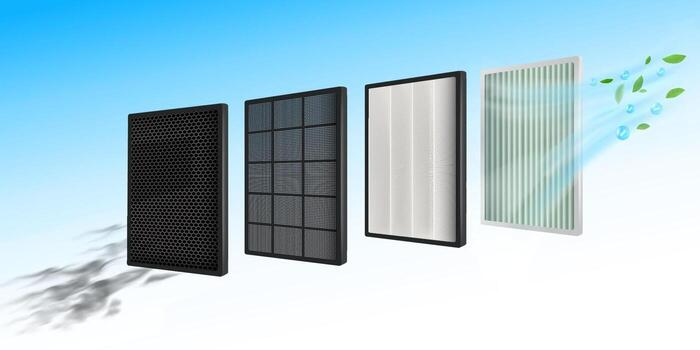
Your AC filter is one of the smallest components in your HVAC system but it has one of the biggest impacts on how your home feels, how much you pay in energy bills, and even how well you breathe every day. The truth is, choosing the right AC filter isn’t just a quick replacement decision, it’s a smart move that can transform your indoor comfort, protect your system, and improve your air quality instantly.
At Astar DFW, I’ve seen firsthand how the right filter can transform indoor air quality and system performance while the wrong one can lead to costly repairs and poor airflow. Whether you’re dealing with dust, allergies, pet dander, or rising utility costs, the filter you choose plays a critical role. In this guide, we’ll break down the different types of AC filters and show you exactly how to choose the right one for your home or business with confidence.
What We’ll Cover in This Guide
In this in-depth HVAC expert guide, we’ll walk you through:
- Different types of AC filters and how each works
- MERV ratings explained (and what you actually need)
- How to choose the right AC filter based on your home, health needs, and HVAC system
- Common mistakes to avoid when choosing AC filters
- Signs you’re using the wrong filter
Understanding AC Filters
Your air conditioner filter is the first line of defense for both your indoor air quality and your HVAC system. Every time your AC runs, it pulls in air filled with dust, pollen, pet dander, mold spores, and other airborne contaminants your filter’s job is to capture these particles before they circulate throughout your home.
A high-quality AC filter does far more than just “catch dust.” It plays a critical role in:
- Improving indoor air quality (IAQ) for a healthier living environment
- Protecting your HVAC system by preventing dust buildup on vital components
- Enhancing system efficiency and lifespan, helping your unit run smoothly and last longer
At Astar DFW, our HVAC technicians regularly see the consequences of choosing the wrong filter. What seems like a small decision can quickly lead to serious issues, including:
- Restricted airflow that strains your system
- Increased energy bills due to reduced efficiency
- Frozen evaporator coils caused by poor circulation
- Frequent breakdowns and costly repairs
Simply put, the right AC filter doesn’t just clean your air it protects your entire comfort system.
What Are The Most Common Types of AC Filters?
Choosing the right AC filter starts with understanding your options. Each type of filter is designed for a specific purpose, some focus on basic protection, while others are built for advanced air purification. Below, we break down the most common AC filters with expert insights, followed by their key features, pros, cons, and best use cases.
1. Fiberglass Filters (Basic Flat Filters)
Fiberglass filters are the most basic and widely used option, primarily designed to protect your HVAC system rather than improve air quality. They capture larger particles like dust and debris but allow smaller allergens to pass through, making them a minimal-efficiency solution for most homes.
Key Features
- Made of layered fiberglass fibers
- Disposable
- Low filtration efficiency
Pros
- Budget-friendly
- Protects HVAC equipment from large debris
Cons
- Poor at filtering allergens and fine particles
- Not ideal for homes with pets or allergies
Best For
- Budget-conscious homeowners
- Properties with minimal air quality concerns
2. Pleated Air Filters
Pleated air filters offer a strong balance between performance and affordability, making them the most recommended choice by HVAC professionals. Their folded design increases surface area, allowing them to trap more dust, pollen, and pet dander while maintaining efficient airflow for most residential systems.
Key Features
- Made from polyester or cotton folds
- Larger surface area
- Higher dust-holding capacity
Pros
- Better filtration (dust, pollen, pet dander)
- Affordable and efficient
- Improves indoor air quality
Cons
- Slightly higher cost than fiberglass
- Can restrict airflow if too dense
Best For
- Most residential homes in Dallas
- Homes with pets or mild allergies
3. HEPA Filters (High-Efficiency Particulate Air)
HEPA filters are among the highest-performing air filters available, capable of capturing extremely fine particles that other filters miss. While they deliver exceptional air quality, they are not always compatible with standard HVAC systems and often require modifications for proper airflow.
Key Features
- Capture 99.97% of particles as small as 0.3 microns
Pros
- Excellent for allergy and asthma sufferers
- Removes bacteria, smoke, and fine particles
Cons
- Not compatible with all HVAC systems
- Can severely restrict airflow without system modifications
Best For
- Homes with severe allergies
- Medical or clean-room environments
Expert Note: At Astar DFW, we always evaluate system compatibility before recommending HEPA filters.
4. Electrostatic Filters
Electrostatic filters use self-charging fibers to attract and capture airborne particles like dust and allergens. They are available in both disposable and washable options, offering a flexible and eco-friendly solution for homeowners looking to improve air quality without frequent replacements.
Key Features
- Available in disposable and washable versions
Pros
- Reusable options available
- Good filtration efficiency
- Eco-friendly
Cons
- Higher upfront cost
- Requires regular cleaning (for reusable types)
Best For
- Environmentally conscious homeowners
- Long-term cost savings
5. Washable (Reusable) Filters
Washable filters are designed for repeated use, allowing homeowners to clean and reinstall them instead of buying replacements. While they reduce long-term costs and waste, they require consistent maintenance and typically don’t match the filtration performance of higher-rated disposable filters.
Pros
- Cost-effective over time
- Reduces waste
Cons
- Requires consistent maintenance
- Lower filtration compared to high-MERV filters
Best For
- Homeowners willing to maintain filters regularly
6. Media Filters (High-Capacity Filters)
Media filters are high-capacity, whole-home filtration solutions installed within a dedicated cabinet. They offer superior performance with minimal airflow restriction and require less frequent replacement, making them ideal for homeowners seeking long-term air quality improvement and convenience.
Key Features
- Large surface area
- Long lifespan (6–12 months)
Pros
- Excellent filtration
- Minimal airflow restriction
- Long-lasting
Cons
- Higher upfront installation cost
Best For
- Whole-home air quality improvement
- Larger homes in Dallas
7. UV Filters (Advanced Air Purification Add-On)
UV filters use ultraviolet light technology to eliminate bacteria, mold, and other microorganisms inside your HVAC system. While they don’t capture dust or particles on their own, they work effectively alongside traditional filters to enhance overall air sanitation.
Pros
- Kills microorganisms
- Improves air sanitation
Cons
- Doesn’t remove dust or particles alone
- Usually combined with other filters
Best For
- Homes concerned with bacteria and mold
How to Choose the Right AC Filter (Step-by-Step)
Choosing the right AC filter goes beyond simply picking a size off the shelf. It’s about finding the right balance between air quality, system performance, and long-term efficiency. Based on real-world HVAC experience at Astar DFW, here’s a step-by-step approach to help you make the right decision with confidence.
1. Consider Your Indoor Air Quality Needs
Start by evaluating your home environment and health requirements. Every household has different air quality demands, and your filter should match those needs.
Ask yourself:
- Do you or your family members suffer from allergies or asthma?
- Do you have pets that shed dander and hair?
- Is your home exposed to high levels of dust, pollen, or outdoor pollutants (common in Dallas)?
If the answer is yes to any of these, you’ll benefit from a higher-efficiency filter.
Pro Tip: Higher MERV ratings provide better filtration—but always ensure your HVAC system can handle it without restricting airflow.
2. Check Your HVAC System Compatibility
Not all HVAC systems are designed to work with high-efficiency filters. Installing the wrong type can do more harm than good.
- Older HVAC systems: Perform best with MERV 6–8 filters to maintain proper airflow
- Newer or advanced systems: Can typically support MERV 11 or higher
At Astar DFW, one of the most common issues we see is homeowners upgrading to high-MERV filters without checking system compatibility leading to airflow problems and reduced efficiency.
3. Balance Airflow vs Filtration
This is where many homeowners go wrong. While it’s tempting to choose the highest-rated filter available, overly dense filters can restrict airflow and strain your system.
This imbalance can lead to:
- Reduced airflow throughout your home
- Frozen evaporator coils
- Increased system wear and tear
- Higher energy consumption
The goal is to find a filter that improves air quality without compromising airflow.
4. Choose the Right Size
Even the best filter won’t perform properly if it doesn’t fit correctly. Air filters must match your system’s exact dimensions to prevent air from bypassing the filter.
- Common sizes include: 16×20, 20×25, 16×25
- Always check your existing filter or HVAC manual for exact sizing
Wrong size = air leakage = poor filtration and reduced efficiency
5. Decide Between Disposable vs Reusable
Your choice here depends on convenience, budget, and maintenance habits.
- Disposable filters:
- Easy to replace
- Consistent performance
- Ideal for busy homeowners
- Reusable filters:
- Cost-effective over time
- Eco-friendly
- Require regular cleaning and maintenance
If you prefer a “set it and forget it” approach, disposable filters are the better option. If you’re committed to regular upkeep, reusable filters can save money long-term.
Common AC Filter Mistakes To Avoid
Choosing the wrong AC filter, or using the right one incorrectly can quietly damage your HVAC system and reduce your indoor comfort. Based on real service calls across Dallas-Fort Worth, Astar DFW technicians regularly see homeowners make simple but costly mistakes that impact airflow, efficiency, and air quality.
Here are the most common AC filter mistakes to avoid:
- Using high MERV filters without checking HVAC compatibility
- Forgetting to replace filters regularly
- Installing the filter in the wrong airflow direction
- Choosing the wrong filter size for the unit
- Buying cheap filters that clog quickly
- Ignoring signs of restricted airflow
- Overlooking indoor air quality needs (pets, allergies, dust)
- Waiting too long until the filter is completely clogged
Final Thoughts: Make the Right Choice for Long-Term Comfort
Choosing the right AC filter is a small decision that makes a big difference in your home’s comfort, air quality, and energy efficiency. When selected and maintained properly, the right filter can protect your HVAC system, lower your utility bills, and create a healthier living environment for your family.
At Astar DFW, our experienced HVAC professionals in Dallas help homeowners across Dallas-Fort Worth choose the right filters, optimize system performance, and ensure everything is running at peak efficiency. Whether you need help selecting the ideal AC filter, upgrading your system, or scheduling a full AC installation, we’re here to help.
Book your AC consultation today with Astar DFW and get personalized recommendations tailored to your home, your air quality needs, and your budget.
- Company: Astar Air Conditioning, Plumbing & Electric
- Email: services@astardfw.com
- Service Area: Dallas and the entire Dallas–Fort Worth Metroplex
FAQs:
-
What type of AC filter is best for home use?
For most homes, pleated air filters with a MERV rating between 8 and 11 offer the best balance of airflow, filtration, and affordability. They effectively capture dust, pollen, and pet dander without putting excessive strain on your HVAC system.
-
Is a higher MERV rating always better?
No, not always. While higher MERV filters capture smaller particles, they can also restrict airflow if your HVAC system isn’t designed to handle them. Choosing the right MERV rating should always align with your system’s capacity.
-
Do expensive air filters really make a difference?
Yes. Higher-quality filters typically provide better filtration, longer lifespan, and improved efficiency. They can enhance indoor air quality and help your HVAC system run more smoothly, which may reduce energy costs over time.
-
What is a MERV rating?
MERV stands for Minimum Efficiency Reporting Value, which measures a filter’s ability to capture particles. Ratings range from 1 to 16 for residential filters the higher the MERV, the smaller the particles it can trap. However, higher MERV filters can restrict airflow if your system isn’t compatible, so it’s important to choose the right rating for your HVAC system.
-
Can the wrong AC filter damage my system?
Absolutely. Using the wrong filter especially one that restricts airflow can lead to overheating, frozen evaporator coils, increased wear and tear, and even system failure if left unaddressed.
-
Which AC filter is best for allergies in Dallas?
For allergy sufferers, pleated filters with a MERV rating of 11–13 or high-capacity media filters are ideal. They help capture fine particles like pollen, dust mites, and pet dander, which are common in the Dallas area.
-
How do I know what size AC filter I need?
You can find the correct size printed on your current filter or in your HVAC system’s manual. Using the exact size is critical an improper fit can allow unfiltered air to bypass the filter, reducing both efficiency and air quality.