


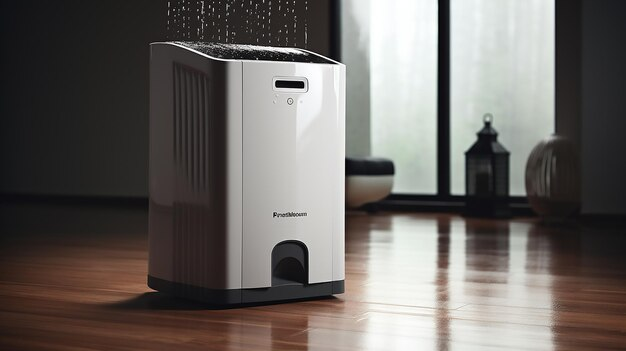
If you’re using a dehumidifier to manage indoor moisture, you’ll typically need to empty it anywhere from once a day to every few days. The exact frequency depends on humidity levels, room size, and your unit’s capacity. In more humid environments like Dallas, tanks often fill faster, sometimes requiring daily or even twice-daily emptying during peak summer.
If the tank isn’t emptied regularly, the unit may shut off automatically or overflow, reducing efficiency and increasing the risk of mold growth. To avoid constant manual emptying, many homeowners use a continuous drain option. Monitoring your usage and environment is key to maintaining optimal indoor air quality and system performance.
In this in-depth guide, we’ll cover everything you need to know, from ideal emptying frequency and influencing factors to expert maintenance tips and troubleshooting.
What is a Dehumidifier and How Does It Work?
A dehumidifier is an indoor air control device designed to remove excess moisture from the air, helping maintain a healthy humidity level (usually between 30%–50%). It is commonly used in homes, basements, and commercial spaces to prevent mold growth, musty odors, and structural damage caused by damp conditions.
How it works:
- Air intake: The unit pulls in humid air from the room
- Cooling coils: Moisture in the air condenses into water when it hits cold coils
- Water collection: The condensed water drips into a built-in tank or drainage hose
- Dry air release: The now-drier air is released back into the room
In humid climates like Dallas, dehumidifiers are especially useful for improving comfort and reducing strain on HVAC systems by making indoor air easier to cool and breathe.
How Often Should You Empty a Dehumidifier?
The frequency of emptying a dehumidifier depends mainly on indoor humidity levels, room size, and how hard the unit is working.
In general residential use, here’s what most homeowners experience:
- High humidity (70%+): Every 6–12 hours, especially in basements or during peak summer conditions
- Moderate humidity (50–70%): About once per day
- Low humidity (below 50%): Every 2–3 days
In humid regions like Dallas, daily emptying is the most common routine during warmer months because the air holds more moisture, causing the tank to fill quickly.
However, if your dehumidifier has a continuous drain option, you may not need to empty it manually at all. Monitoring the water level and adjusting based on seasonal changes is the most reliable way to maintain efficiency and prevent overflow.
Key Factors That Affect How Often You Need to Empty a Dehumidifier
The frequency of emptying a dehumidifier is not fixed it changes based on your indoor environment and how efficiently the unit is operating. Understanding these factors helps you manage moisture more effectively and avoid overflow or performance issues.
1. Humidity Levels
The higher the humidity, the more moisture your dehumidifier pulls from the air, which means the tank fills faster.
- Basements and crawl spaces → usually require frequent emptying
- Bathrooms and laundry rooms → moderate to high frequency due to steam and moisture
2. Room Size
Room size directly affects how much air the unit processes.
- Small rooms → slower water collection
- Larger rooms or open spaces → faster tank filling due to higher air volume
3. Dehumidifier Capacity
Different units remove different amounts of moisture per day:
- 30-pint units: Best for smaller spaces, slower filling
- 50–70 pint units: Designed for larger areas, collect water more quickly
4. Weather & Season
Climate plays a major role, especially in humid regions like Dallas:
- Summer → very frequent emptying due to high humidity
- Winter → reduced moisture, less frequent emptying
5. Ventilation & Airflow
Poor airflow traps humidity inside a space, forcing the dehumidifier to work harder and fill its tank faster. Proper ventilation helps reduce workload and improve efficiency.
Signs Your Dehumidifier Needs Emptying
If you’re unsure whether your dehumidifier needs emptying, there are clear signs that indicate it’s full or nearing capacity. These indicators help you avoid overflow, maintain efficiency, and keep indoor air quality stable. Regularly checking these signs ensures your unit runs smoothly and prevents unnecessary moisture-related problems in your home.
8 Signs Your Dehumidifier Needs Emptying
- The water tank looks visibly full
- The unit automatically shuts off
- “Tank Full” indicator light turns on
- Reduced moisture removal performance
- The water level window shows the maximum line
- Strange gurgling or bubbling sounds
- Musty smell around the unit
- The dehumidifier stops running unexpectedly
What Happens If You Don’t Empty a Dehumidifier Regularly?
Neglecting to empty your dehumidifier on time can quickly affect both performance and indoor air quality. When the tank fills up, the unit can no longer collect moisture effectively, which leads to reduced efficiency and inconsistent humidity control in your home.
Key consequences include:
- Reduced efficiency: The unit stops dehumidifying properly once the tank is full
- Water overflow: Risk of leaks that can damage floors, carpets, and nearby furniture
- Mold growth in the tank: Stagnant water creates a breeding ground for bacteria and mold
- Shortened lifespan: Continuous strain on components increases wear and tear over time
From an HVAC expert’s perspective, this is one of the most commonly ignored maintenance issues, yet it directly impacts comfort, air quality, and the overall performance of your indoor environment.
Best Practices to Avoid Constant Emptying
If you find yourself emptying your dehumidifier too often, it usually means the setup can be optimized. A few simple adjustments can significantly reduce maintenance while improving overall performance and indoor comfort.
1. Use Continuous Drain Option
Many modern dehumidifiers come with a hose connection feature.
- Directs water to a floor drain or sink
- Ideal for basements, laundry areas, or long-term use
- Eliminates the need for manual emptying completely
2. Upgrade to a Larger Capacity Unit
Frequent tank filling often indicates an undersized dehumidifier.
- Larger capacity units (50–70 pint or higher) handle more moisture
- Better suited for humid climates and bigger spaces
- Reduces workload and emptying frequency
3. Optimize Humidity Settings
Setting the right humidity level improves efficiency.
- Recommended range: 45%–50%
- Prevents overworking the unit
- Maintains comfortable indoor air quality
4. Improve Ventilation
Good airflow helps control moisture naturally.
- Open airflow reduces humidity buildup
- Prevents the unit from running continuously
- Supports faster and more balanced dehumidification
These best practices are commonly recommended by HVAC professionals to improve efficiency, reduce maintenance, and extend the lifespan of your system.
Book an HVAC Expert for Humidity & Dehumidifier Issues in Dallas
If you’re constantly dealing with high indoor humidity, frequent dehumidifier emptying, or uneven comfort levels, it may be time to get a professional HVAC inspection. In many Dallas homes, these issues are linked to deeper system inefficiencies that only an expert can accurately diagnose.
At Astar Air Conditioning, Plumbing & Electric (Astar DFW), our licensed HVAC specialists help homeowners identify the root cause of humidity problems and deliver long-term, cost-effective solutions, not just temporary fixes.
Book Your HVAC Service Today
Don’t let humidity damage your comfort, air quality, or home. Schedule a professional inspection with Astar DFW and get a tailored solution designed for your home’s needs. Contact Astar Air Conditioning, Plumbing & Electric today to book your HVAC consultation and take control of indoor humidity the right way.