


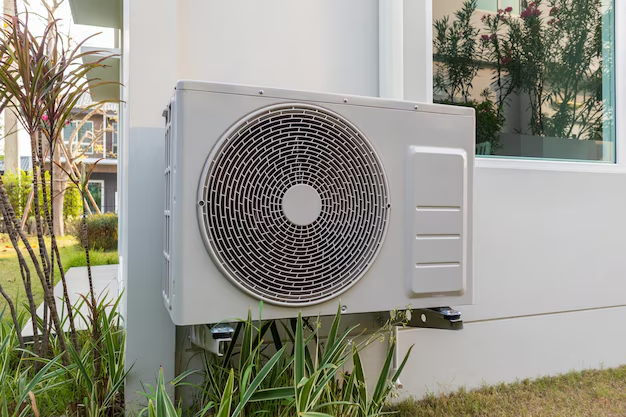
Your AC may still be running, but the air coming from the vents feels warm or only slightly cool. You might notice the system sounds unusual, or even experience a breaker that keeps tripping more than once a week. These are all early warning signs that often point to one key component, the compressor.
The compressor is the heart of your air conditioning system, and when it begins to fail, the entire cooling performance is affected. A bad compressor doesn’t usually stop working suddenly; instead, it gives off warning signals over time. Recognizing these early signs can help you avoid a complete system breakdown, especially during the peak Dallas summer heat.
In the sections below, we’ll cover the six most common AC compressor warning signs and what each one means for your system’s health and urgency.
What Are the Signs of a Bad AC Compressor?
The most common signs of a failing AC compressor include warm air blowing from your vents while the system is running, unusual noises from the outdoor unit, frequent circuit breaker trips, difficulty starting, and visible refrigerant leaks. When the compressor begins to fail, it can no longer properly pressurize the refrigerant that removes heat from your home. As a result, your system may appear to be working, but the cooling performance drops significantly.
If your AC is showing any of these signs, the team at Astar DFW can provide a same-day professional diagnosis and help you prevent further damage.
1. Your AC Is Running but Not Cooling the House
Warm or room-temperature air coming from your vents is one of the most common signs of a failing AC compressor. The system turns on, the fan runs, and air circulates but your home doesn’t cool down. This usually means the compressor is no longer pressurizing the refrigerant properly, so heat cannot be removed from your indoor air.
Many Dallas homeowners assume the thermostat is the issue, but there’s a key difference:
Compressor vs Thermostat Issue:
- Thermostat issue: System doesn’t turn on at all, or the display is unresponsive
- Compressor issue: System runs normally, but blows warm air
- Possible both: System short cycles (turns on and off frequently without cooling)
2. Strange Noises Coming from Your Outdoor Unit
Your outdoor unit should produce a steady, low humming sound during normal operation. If you begin to hear unusual or worsening noises, it often points to internal compressor damage.
Common AC compressor noises and what they mean:
- Clanking or banging: Internal mechanical failure or loose components
- Hissing or bubbling: Refrigerant leak that needs immediate attention
- Clicking on startup: Electrical or relay issues affecting compressor operation
- Grinding: Worn-out bearings inside the compressor motor
Catching these noises early can often mean the difference between a repair and a full compressor replacement.
3. AC Trips the Breaker Repeatedly
If your circuit breaker trips once, it may not be a major concern. But if it trips every time your AC runs, it’s a strong indication that the compressor is overloading the system. This happens when the compressor draws more electrical current than it should, forcing the breaker to shut off power for safety.
Common signs to watch for:
- The breaker trips every time the AC turns on
- The system runs briefly before shutting off
- Repeated power resets are needed
- AC struggles to maintain consistent operation
Ignoring this can lead to further damage not only to the compressor but also to other HVAC components.
4. AC Struggles to Start (Hard Starting)
A compressor that struggles to start, also known as “hard starting,” is another major warning sign. You may notice the system hesitating, making clicking or humming sounds, or taking multiple attempts before turning on.
Key symptoms include:
- Delayed startup after thermostat signal
- Clicking or buzzing sounds during startup
- System turning on after multiple attempts
- AC is failing to start intermittently
This repeated strain puts excessive wear on the compressor and can significantly shorten its lifespan if not addressed quickly.
5. Outdoor Unit Hums but Doesn’t Fully Run
If your outdoor unit is humming but the fan isn’t spinning or the system shuts off shortly after starting, it often points to a failing compressor or related electrical issue.
What you may notice:
- Constant humming from the outdoor unit
- Fan not spinning while the unit is powered
- System shutting off within seconds or minutes
- Weak or no airflow inside the home
This usually means the compressor is trying to run but cannot complete the cooling cycle due to internal or electrical failure.
6. System Shuts Off Frequently Without Cooling
Short cycling, when your AC turns on and off every few minutes without properly cooling your home, is a serious sign of compressor trouble. This can be caused by pressure imbalances, overheating, or internal failure.
Warning signs of short cycling:
- AC turns on and off every few minutes
- Home never reaches the set temperature
- Increased wear on system components
- Higher energy bills with poor cooling performance
Frequent shutdowns not only reduce comfort but also put stress on the entire HVAC system, increasing the risk of a complete breakdown.
Other Warning Signs Dallas Homeowners Shouldn’t Ignore
Beyond the obvious symptoms, several subtle signs can indicate compressor trouble:
- Refrigerant or oil leaks: Oily residue around the outdoor unit may signal a leak
- Excessive heat from the unit: While some heat is normal, extreme heat is not
- Rising energy bills: A struggling compressor uses more energy to deliver less cooling
- Uneven cooling: Some rooms cool while others remain warm
- Older system showing multiple issues: Compressors typically last 10–15 years with proper maintenance
If your system is showing multiple symptoms, especially in a Dallas summer, it’s time to take action before the problem escalates.
What to Do If You Notice These Signs in Your Dallas Home?
Ignoring AC compressor warning signs can lead to more than just poor cooling—it can cause damage across your entire HVAC system, including critical components like capacitors, contactors, and fan motors. The longer the issue goes unaddressed, the higher the risk of a complete system breakdown and costly repairs. Taking early action not only protects your system but can also save you significant time and money.
Steps You Should Take Immediately:
- Turn off your AC if the breaker keeps tripping
Repeatedly resetting the breaker can cause further electrical damage and increase safety risks. - Pay attention to when the issue started
Noting patterns like unusual noises, weak cooling, or short cycling helps technicians diagnose the problem faster. - Check and replace your air filter if needed
A clogged or dirty filter can restrict airflow and worsen compressor strain, even if it’s not the root cause. - Schedule a professional HVAC inspection
A certified technician can perform a full system check, including refrigerant levels, electrical components, and compressor performance, to identify the exact issue.
If you’re in the Dallas–Fort Worth area, the experts at Astar DFW can provide fast, same-day diagnostics and recommend the most cost-effective solution to get your AC system back to peak performance.
Do You Need to Repair or Replace Your AC Compressor?
The right solution depends on your system’s age and condition:
- Repair is ideal if:
- Your unit is relatively new
- The issue is minor (electrical, clutch, or small leak)
- The system is still under warranty
- Replacement may be better if:
- Your system is over 10–12 years old
- Multiple issues are present
- Repair costs are close to replacement costs
At Astar DFW, we provide clear, honest recommendations so you can make the best decision for your home and budget, without pressure.
Book Trusted AC Compressor Repair in Dallas–Fort Worth
If your AC is showing signs of a failing compressor, don’t wait until it completely breaks down, especially in the Dallas heat. Early diagnosis can save you from costly repairs and restore comfort to your home faster.
At Astar DFW, we provide fast, reliable AC repair services across Dallas–Fort Worth, including same-day diagnostics for compressor and cooling issues. Our experienced HVAC technicians will inspect your system, identify the root cause, and recommend the most cost-effective solution, whether it’s a repair or full replacement.
Schedule Your AC Repair Today
- Address: 9201 Forest Lane, Dallas, TX, 75243
- Website: https://astardfw.com/
- Service Area: Dallas and surrounding DFW communities
Don’t let a faulty AC compressor leave you in the heat. Contact Astar DFW today to book your professional AC repair service in Dallas and get your cooling system running efficiently again.