


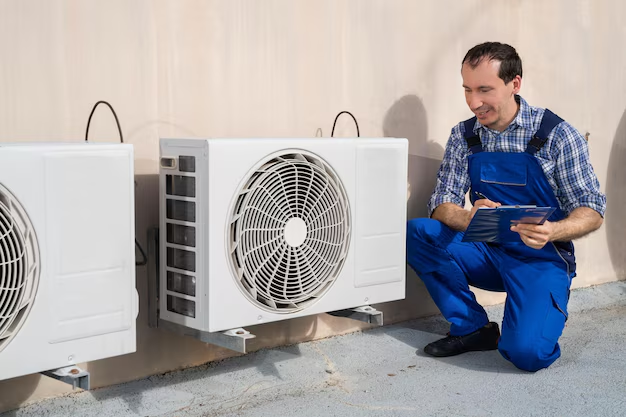
If you live in The Woodlands, TX, your air conditioner doesn’t just provide comfort it’s a necessity. With long, humid summers and temperatures regularly climbing into the high 90s, your AC system works under extreme pressure.
The best time to schedule a summer AC tune-up in The Woodlands is early spring (March to May), before peak heat arrives. This ensures your system runs efficiently, avoids unexpected breakdowns, and keeps energy bills under control.
In this guide, an experienced HVAC technician from Astar DFW explains exactly when to schedule your AC tune-up, why timing matters, what’s included in professional maintenance, warning signs your system needs attention, and how preventative care saves homeowners thousands in repairs and energy costs.
The Importance of AC Tune-Ups in The Woodlands, TX
The Woodlands experiences a subtropical climate with high humidity and prolonged summer heat. This combination puts continuous strain on HVAC systems, especially between May and September. From an HVAC professional’s perspective, most emergency AC failures in Texas are not random they are the result of neglected seasonal maintenance. A properly timed AC tune-up ensures:
- Efficient cooling performance during peak heat
- Reduced risk of compressor failure
- Lower monthly electricity bills
- Better indoor air quality
- Longer HVAC system lifespan
In short, scheduling maintenance before summer is not optional—it is essential for system survival in Texas conditions.
When Is the Best Time to Schedule a Summer AC Tune-Up in The Woodlands, TX?
The best time to schedule a summer AC tune-up in The Woodlands, TX is early spring ideally between March and May, before the peak summer heat arrives. This timing ensures your air conditioning system is fully inspected, cleaned, and optimized before it is placed under heavy load during Texas’s extreme summer temperatures.
Ideal Timeframe Breakdown
- March to April (Best time):
This is the most recommended window for scheduling maintenance. HVAC technicians have better availability, wait times are shorter, and your system is prepared well before the first heatwaves hit. - May (Still acceptable):
May is still a good time for a tune-up, but demand for HVAC services begins to rise quickly as temperatures increase. Booking may be harder, and emergency calls start to peak. - June onward (Too late for preventive care):
By summer, your AC is already running at full capacity. At this stage, tune-ups become reactive rather than preventive, meaning you’re more likely to deal with breakdowns, reduced efficiency, or emergency repairs.
Why Spring Is the Best Time for AC Maintenance
Spring is considered the “sweet spot” for HVAC maintenance in Texas climates like The Woodlands because it prepares your system before it enters constant heavy use. When you schedule your AC tune-up in spring, you:
- Avoid long delays during peak HVAC season
- Ensure refrigerant levels are properly balanced before extreme heat
- Allow technicians to clean coils before buildup reduces efficiency
- Reduce the risk of mid-summer breakdowns
- Improve cooling performance when temperatures first spike
What Happens During a Professional AC Tune-Up?
A professional AC tune-up is not a quick inspection or a basic filter change it is a complete system performance optimization process designed to improve cooling efficiency, prevent breakdowns, and extend the life of your HVAC system.
An experienced HVAC technician from Astar DFW follows a structured, step-by-step maintenance approach to ensure every critical component of your air conditioning system is working properly, especially before peak summer demand in The Woodlands, TX.
1. System Inspection & Diagnostics
The tune-up begins with a full system evaluation to identify early signs of wear or malfunction.
Technicians typically perform:
- Thermostat calibration check to ensure accurate temperature control
- Electrical connection inspection for loose or damaged wiring
- Safety controls testing to confirm proper shutdown and protection functions
- Overall system performance assessment to detect inefficiencies
This step helps catch hidden issues before they turn into costly repairs.
2. Airflow Optimization
Proper airflow is essential for consistent cooling and energy efficiency. Poor airflow is one of the most common causes of uneven temperatures in Texas homes.
This includes:
- Air filter inspection and replacement if needed
- Duct airflow testing to identify blockages or restrictions
- Blower motor inspection to ensure proper air circulation
Optimized airflow allows your AC system to cool your home faster and with less energy.
3. Coil Cleaning (Indoor & Outdoor Units)
Dirty coils are one of the leading causes of reduced cooling efficiency and higher energy bills, especially in hot and humid climates like The Woodlands.
Technicians clean:
- Evaporator coil (indoor unit)
- Condenser coil (outdoor unit)
This removes dust, pollen, and debris buildup that forces your system to work harder and cool less effectively.
4. Refrigerant Level Check
Refrigerant is essential for heat transfer and cooling performance. Even a small imbalance can significantly reduce efficiency.
During this step, technicians:
- Measure refrigerant pressure levels
- Check for leaks in the system
- Ensure proper charge for optimal cooling output
Correct refrigerant levels help maintain strong, consistent cooling during extreme summer heat.
5. Electrical Component Testing
Electrical issues are a common cause of unexpected AC failures, especially during high-demand months.
Technicians inspect and test:
- Capacitors
- Contactors
- Wiring connections and safety components
This ensures the system runs safely and reliably under continuous load.
6. Drain Line Cleaning
Your AC system removes moisture from the air, which drains through a condensate line. If this line becomes clogged, it can cause water damage or mold growth.
This step includes:
- Clearing the condensate drain line
- Checking for blockages or algae buildup
- Preventing water leakage inside your home
Proper drainage is essential for both system health and indoor air quality.
7. System Performance Testing
The final stage ensures the entire system is operating at peak efficiency after servicing.
Technicians perform:
- Temperature differential measurement (supply vs return air)
- Cooling cycle efficiency testing
- Full system performance validation
A final report is typically provided, confirming that the AC system is ready for summer operation.
Warning Signs You Need an AC Tune-Up Immediately
Even if you missed your spring maintenance window, your air conditioner will usually give clear warning signs when it is struggling. Ignoring these symptoms can quickly lead to reduced cooling performance, higher energy bills, and even complete system failure, especially during peak summer heat in The Woodlands, TX.
If you notice any of the following issues, your system likely needs a professional AC tune-up or inspection as soon as possible from an experienced HVAC technician such as Astar DFW.
- Weak or uneven cooling across different rooms
- AC is running continuously without turning off
- Unusual noises like buzzing, rattling, or grinding
- Sudden increase in electricity bills without higher usage
- Warm air is coming from the vents instead of cold air
- Water leakage or moisture near the indoor unit
- Musty or burning smell coming from the system
Benefits of Scheduling an AC Tune-Up Before Summer
Scheduling your AC tune-up before the summer heat arrives is one of the most effective ways to protect your HVAC system and maintain comfort during peak temperatures in The Woodlands, TX. A preventive service from an experienced provider like Astar DFW ensures your system is fully optimized before it is put under heavy seasonal load.
1. Lower Energy Bills
A properly maintained AC system runs more efficiently and uses less energy, reducing overall electricity consumption by 10% to 25%, depending on system condition and usage patterns.
2. Fewer Emergency Breakdowns
Preventive maintenance helps identify and fix small issues early, reducing the risk of sudden compressor or motor failure during extreme summer heat when your system is working hardest.
3. Extended System Lifespan
Regular tune-ups reduce long-term wear and tear, allowing your HVAC system to operate smoothly for more years compared to neglected units that often fail prematurely.
4. Better Cooling Performance
A tuned-up AC system delivers faster cooling, more consistent indoor temperatures, and improved humidity control, especially important in humid Texas climates.
5. Improved Indoor Air Quality
Clean filters, coils, and ducts help reduce dust, allergens, and airborne pollutants, creating a healthier indoor environment for your home or business.
Seasonal HVAC Maintenance Timeline for The Woodlands Homeowners
Here’s a simple, expert-approved timeline recommended by HVAC professionals, including technicians from Astar DFW:
Spring (March–May)- AC Preparation Season
Spring is the most important HVAC maintenance period, especially before the Texas summer heat arrives.
Key tasks:
- Full AC tune-up and system inspection
- Evaporator and condenser coil cleaning
- Refrigerant level check and leak detection
- Thermostat calibration and performance testing
Goal: Ensure your cooling system is fully prepared for peak summer demand.
Summer (June–August)- Performance Monitoring Phase
During summer, your AC works at maximum capacity and requires light but consistent attention.
Key tasks:
- Monthly air filter inspection and replacement if needed
- Monitoring cooling performance and airflow
- Checking for unusual noises, leaks, or inefficiencies
Goal: Maintain efficiency and prevent mid-season breakdowns.
Fall (September–November)- Heating System Transition
As temperatures drop, focus shifts from cooling to heating preparation.
Key tasks:
- Furnace or heating system inspection
- Ductwork evaluation for leaks or blockages
- Thermostat switch-over testing (cooling to heating mode)
Goal: Ensure a smooth transition into heating season.
Winter (December–February)- Heating Optimization & Light Maintenance
Winter is typically low stress for HVAC systems in Texas, but maintenance is still important.
Key tasks:
- Furnace maintenance and safety checks
- Carbon monoxide and safety system inspection
- Minor system performance checks and adjustments
Goal: Maintain safe and reliable heating performance.
How Often Should You Schedule an AC Tune-Up?
We recommend scheduling an AC tune-up at least once a year, ideally in spring before summer begins, to ensure efficient cooling and prevent breakdowns.
For older or heavily used systems, especially in hot climates like The Woodlands, TX, twice-yearly maintenance (spring and fall) is recommended to keep both cooling and heating systems running smoothly.
In Texas conditions, where AC systems work under extreme load for most of the year, regular maintenance is not optional it’s essential for reliability, efficiency, and long-term system performance.
Final Thoughts: Don’t Wait for Your AC to Fail
In a climate like The Woodlands, waiting until your AC shows signs of failure is one of the most expensive mistakes homeowners can make. The smartest approach is preventive maintenance scheduled in early spring.
A properly timed tune-up ensures your system is prepared for extreme summer conditions, operates efficiently, and avoids costly breakdowns when you need cooling the most.
For homeowners looking for professional HVAC maintenance, diagnostics, or seasonal tune-ups, Book with Astar DFW provides expert-level service designed specifically for Texas climate demands, helping you stay cool, efficient, and worry-free all summer long.