


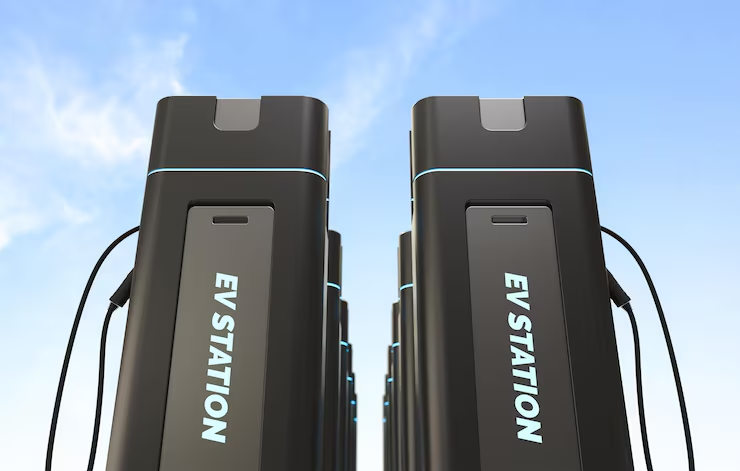
Electric vehicle ownership in the Dallas–Fort Worth area is growing faster than in almost any other part of Texas, and the single most common question new EV owners ask is: How do I get a charger installed at home or at my business?
The answer involves more than buying a box from Amazon. It requires the right equipment, the right electrician, and the right installation. Astar DFW has installed EV chargers across Southlake, Keller, Colleyville, Grapevine, and the entire DFW Metroplex, and this is the most complete guide you’ll find on getting it done right.
This guide covers everything you need to know about EV charger installation at home and for businesses from understanding the difference between Level 1, Level 2, and DC Fast Charging, to what your electrical panel actually needs to support a charger, how much installation costs in the DFW area, what permits are required, how businesses can leverage EV charging as a competitive asset, and why choosing a licensed electrician like Astar DFW is the only smart move for this type of work.
What To Know About EV Chargers?
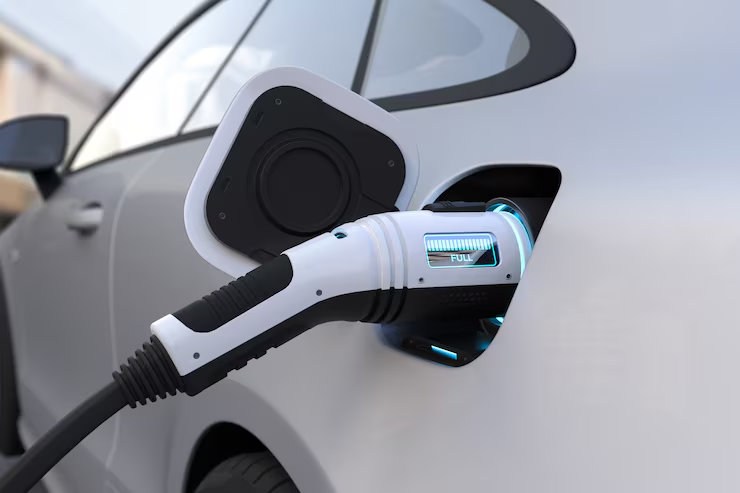
Electric vehicle (EV) ownership has hit record highs in 2025, with EVs making up roughly 7.5% of new light-duty vehicle sales across the United States. That rapid growth has created immediate demand for dependable, well-installed charging infrastructure. Whether you’re a homeowner ready to install your first Level 2 charger or a business owner planning a multi-port commercial charging network, getting the installation right is non-negotiable it directly impacts safety, performance, and long-term reliability.
The EV charging landscape has shifted significantly, with approximately 70,600 public charging stations now operating nationwide. Yet studies consistently confirm that around 80% of all EV charging happens at home, making residential installation the true backbone of EV ownership. For businesses, EV charging has become a genuine competitive advantage, employers who offer workplace charging consistently report it as a meaningful tool for attracting and retaining top talent.
Why Proper EV Charger Installation Matters?
Installing an EV charging station is not as simple as mounting a unit on the wall and calling it done. These systems draw continuous high-amperage electrical loads, typically 32 to 80 amps for residential Level 2 chargers and up to 400 amps for commercial DC fast chargers. When installation is done incorrectly, the consequences are serious:
- Electrical fires caused by overheated wiring or loose connections
- Equipment failures that cost thousands of dollars to repair or replace
- Code violations that invalidate your homeowner’s or business insurance coverage
- Poor charging performance that frustrates EV owners and damages user trust
- Genuine safety hazards, including the risk of electrical shock
Professional EV charger installation by a licensed electrician like the team at Astar DFW ensures full compliance with National Electrical Code (NEC) requirements, local building codes, and manufacturer specifications, while delivering the safety and performance every EV owner deserves.
Levels of EV Charger
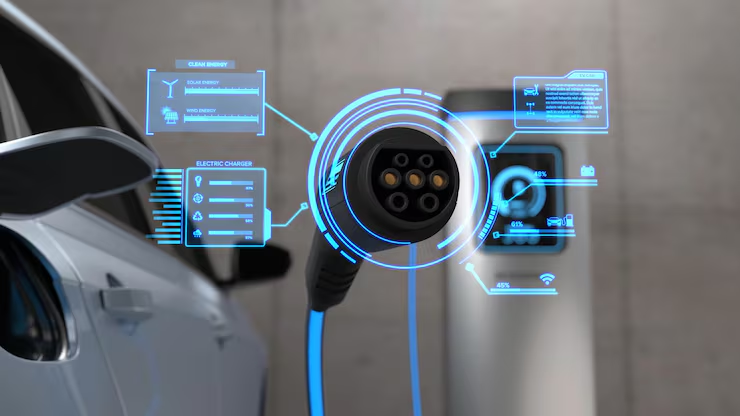
Before installation, it’s important to understand the three main EV charging levels, as each serves a different purpose and requires specific electrical infrastructure.
-
Level 1 Charging (120V)
Uses a standard household outlet and provides slow charging—about 3–5 miles of range per hour. Best for plug-in hybrids or low daily driving. Requires a dedicated 120V outlet on a properly rated circuit.
-
Level 2 Charging (240V)
The most common solution for homes and businesses, delivering 10–60 miles of range per hour. It allows full overnight charging for most EVs. Requires a dedicated 240V circuit, proper breaker, and professional installation.
-
DC Fast Charging (Level 3)
High-powered commercial charging (50 kW–350 kW) that can charge up to 80% in 20–45 minutes. Designed for public stations, fleets, and commercial use, requiring advanced electrical infrastructure and utility coordination.
Overview of EV Charger Installation Types
EV charging installations generally fall into two main categories, each designed for different use cases and electrical demands:
-
Residential EV Charger Installations
Home EV charger setups typically use Level 1 (120V) or Level 2 (240V) systems. These are ideal for single-family homes, condos, and apartments, focusing on everyday convenience, affordability, and seamless integration with your existing electrical panel. Level 2 chargers are the most popular choice for faster, overnight charging at home.
-
Commercial EV Charger Installations
Commercial EV charging solutions include Level 2 and DC Fast Chargers (Level 3), built for higher usage environments like offices, retail centers, apartment complexes, and public charging stations. These installations involve advanced electrical infrastructure, greater power capacity, and often feature smart technology for user access, billing, and energy monitoring.
How to Install a Home EV Charger?
Installing a home EV charger requires careful planning, electrical evaluation, and professional execution. Below are the five essential steps every homeowner should follow to ensure a safe, efficient, and code-compliant installation.
Step 1: Evaluate Your Electrical Panel
Before installing an EV charger, your electrical panel must be assessed for available capacity. Many older homes may not support a Level 2 charger without upgrades. A licensed electrician performs load calculations, checks panel condition, and identifies safety concerns to determine if your system can handle the additional demand.
- Verify total electrical load using NEC demand calculations
- Inspect panel age, condition, and manufacturer’s safety history
- Identify if a 100-amp panel can support an added EV load
- Check for available breaker space vs. actual capacity
- Determine the need for an upgrade or direct circuit installation
Step 2: Select the Right EV Charger (EVSE)
Choosing the right EV charger depends on your vehicle, usage, and electrical capacity. Level 2 chargers are most common, offering faster charging speeds. Consider amperage, installation type, weather rating, and smart features to ensure long-term performance and compatibility with your home setup.
- Compare 32A, 40A, and 48A charging speeds
- Decide between hardwired or plug-in (NEMA 14-50) units
- Ensure proper weather rating for outdoor installations
- Look for Wi-Fi, scheduling, and energy monitoring features
- Choose reputable brands with solid warranties
Step 3: Install the Dedicated Circuit
A dedicated 240V circuit is required for Level 2 EV chargers. This involves installing the correct breaker, running properly sized wiring, and routing conduit safely. The process must follow electrical codes and is best handled by a licensed electrician to ensure safety and compliance.
- Install a 50A or 60A breaker based on the charger specs
- Use the correct wire size (commonly 6 AWG copper)
- Route conduit through walls, attic, or garage space
- Add disconnects or junction boxes if required
- Ensure proper circuit labeling and isolation
Step 4: Mount and Connect the Charger
Once wiring is complete, the EV charger is mounted and connected. Placement is important for accessibility and convenience. The unit must be securely installed, properly grounded, and protected against environmental exposure if installed outdoors.
- Mount the charger at the optimal height and parking position
- Connect wiring according to manufacturer guidelines
- Ensure proper grounding and bonding
- Install weatherproof covers for outdoor setups
- Align the charger location with the vehicle charging port
Step 5: Test, Inspect, and Upgrade if Needed
After installation, the system is tested for performance and safety. A local inspection ensures compliance with electrical codes. If the panel lacks capacity, a 200-amp upgrade or smart load management system may be required to safely support EV charging.
- Test voltage, polarity, and grounding integrity
- Confirm charger communication with the vehicle
- Schedule and pass the local electrical inspection
- Upgrade to 200-amp service if required
- Explore smart load-sharing solutions if needed
Commercial EV Charger Installation Process
Astar DFW follows a strategic, end-to-end process for commercial EV charger installations to ensure efficiency, scalability, and long-term ROI. From initial assessment to ongoing support, every phase is designed to minimize disruption and maximize performance.
Step 1: Conduct a Detailed Site Assessment
Every commercial EV project begins with a comprehensive evaluation of the property’s electrical infrastructure and layout. This ensures the system is designed for both current needs and future expansion while identifying the most efficient installation approach.
- Analyze existing electrical service capacity and voltage
- Review parking layout and charger placement options
- Identify optimal conduit routing paths
- Assess proximity to switchgear or transformer
- Evaluate site constraints and accessibility factors
Step 2: Perform Load Analysis & Capacity Planning
For multi-charger setups, accurate load analysis is critical. This step determines how many chargers the system can support and whether upgrades or smart load-sharing solutions are required to reduce upfront infrastructure costs.
- Calculate total electrical demand for multiple chargers
- Determine available vs. required service capacity
- Identify need for service or transformer upgrades
- Evaluate load management software solutions
- Plan for scalable future expansion
Step 3: Select Commercial-Grade Equipment
Choosing the right EV charging equipment ensures durability, performance, and user accessibility. Commercial environments require robust, network-enabled systems capable of handling frequent usage and environmental exposure.
- Choose between single-port and dual-port chargers
- Select weatherproof, heavy-duty EVSE units
- Ensure compatibility with all EV models
- Integrate networked systems for remote management
- Consider payment processing and user access features
Step 4: Manage Permits & Utility Coordination
Commercial installations involve more complex regulatory requirements. Astar DFW handles all permitting and coordinates directly with utility providers to streamline approvals and ensure compliance with local and state regulations.
- Secure commercial electrical permits from local authorities
- Coordinate with utility providers like Oncor Electric Delivery
- Arrange inspections and compliance approvals
- Manage timelines for service upgrades or new connections
- Ensure all work meets NEC and local code standards
Step 5: Installation, Commissioning & Ongoing Support
The final phase includes full system installation, testing, and long-term support. Astar DFW ensures chargers are fully operational, networked, and ready for daily use while offering maintenance and management guidance.
- Install conduit, wiring, panels, and EV chargers
- Configure network connectivity and software systems
- Perform system testing and commissioning
- Schedule work to minimize business disruption
- Provide ongoing maintenance and technical support
EV Charger Installation Costs in the DFW Area- What to Expect?
Cost is one of the most common questions and one of the most variable. Here’s a realistic breakdown of EV charger installation costs in the Dallas–Fort Worth market:
Residential Installation Cost Breakdown
|
Component |
Typical Cost Range |
|
Level 2 EVSE unit (charger hardware) |
$200 – $800 |
|
Electrical permit |
$75 – $200 |
|
Circuit installation (straightforward, no panel work) |
$400 – $900 |
|
Panel upgrade (if required) |
$1,800 – $3,500 |
|
Conduit and materials (garage to exterior, etc.) |
$150 – $500 |
|
Total (no panel work needed) |
$650 – $1,800 |
|
Total (panel upgrade required) |
$2,500 – $5,000+ |
Commercial Installation Cost Factors
Commercial pricing is far more variable and depends on:
- Number of charging ports (2, 4, 8, 16, 32+)
- Distance of conduit runs from main switchgear to charger locations
- Whether a service upgrade or sub-panel installation is required
- Trenching for underground conduit in surface parking lots
- Networked vs. non-networked equipment
- After-hours installation requirements
A small commercial deployment of 4 Level 2 dual-port chargers in an existing parking lot with adequate electrical service might cost $8,000–$20,000 installed. Larger deployments with service upgrades can range into six figures. Federal tax credits and available grant funding can substantially offset these costs.
Permits and Code Requirements for EV Charger Installation
One of the most important rules when installing an EV charger: never skip the permit process. Permits protect you legally, ensure safety, and verify that the installation meets all electrical codes. Whether for residential or commercial projects, proper permitting is essential.
General Permit Requirements
In most areas, installing a new 240V circuit for an EV charger requires an electrical permit. The application is typically submitted to the local building or development department and must be completed by a licensed electrician. Once installation is finished, a final inspection is conducted to confirm code compliance.
- Permits required for new 240V EV charger circuits
- Work must be performed by a licensed electrician
- Applications submitted to local building authorities
- Processing times vary depending on jurisdiction
- Final inspection required before system approval
Commercial Permit Considerations
Commercial EV charger installations often involve more detailed permitting due to higher electrical loads and system complexity. These projects may require additional documentation, such as electrical plans or load calculations, before approval is granted.
- May require detailed plan review and engineering documents
- Additional approvals for high-capacity electrical upgrades
- Coordination with utility providers may be necessary
- Compliance with zoning and accessibility requirements
- Multiple inspections during different project phases
Federal and Texas Incentives for EV Charger Installation
The economics of EV charger installation are meaningfully improved by available tax incentives. Here’s what’s currently in effect:
Federal Tax Credit Alternative Fuel Vehicle Refueling Property Credit
Under the Inflation Reduction Act, homeowners can claim a federal tax credit of 30% of the cost of EV charger hardware and installation, up to $1,000 per residential installation. This applies to chargers installed at your primary residence. For businesses, the credit is 30% up to $100,000 per location.
Important: The credit currently applies through 2032 and has income limitations for residential filers in certain census tracts. Consult your tax advisor to confirm eligibility.
Best EV Charger Installers in DFW
For EV charger installation in the DFW area, Astar Air Conditioning, Plumbing & Electric stands out as a trusted and reliable choice. With licensed electricians, extensive experience in residential and commercial EV charging systems, and a strong focus on safety and code compliance, Astar ensures every installation is done right the first time.
We handle everything from panel evaluations and permits to final testing, offering transparent pricing and dependable service. Our commitment to quality workmanship and customer satisfaction makes us a top provider for EV charger installations across DFW.
If you’re planning to install an EV charger, schedule your installation with Astar DFW today for fast, professional, and hassle-free service.
- Address: 9201 Forest Lane, Dallas, TX, 75243
- Website: https://astardfw.com/
- Service Area: Dallas and surrounding DFW communities
FAQs:
How much does it cost to install a Level 2 EV charger at home in DFW?
Expect to pay between $650 and $1,800 for a straightforward residential Level 2 installation in the DFW area (hardware + labor + permit). If a panel upgrade is required, add $1,800–$3,500. Astar DFW provides free written estimates with full transparency on all costs before any work begins.
Do I need a permit to install an EV charger in Texas?
Yes. Installing a new 240-volt dedicated circuit for an EV charger requires an electrical permit in virtually every DFW municipality, including Southlake, Keller, Colleyville, Grapevine, and Flower Mound. Permits require licensed electrician work and a final inspection. Skipping this step creates insurance and resale liability.
Can I install an EV charger myself in Texas?
Texas law allows homeowners to perform electrical work on their own primary residence, but EV charger installation requires a permit and inspection regardless of who does the work. Given the safety stakes of a 240-volt dedicated circuit, panel load implications, and code requirements under NEC Article 625, hiring a licensed electrician is strongly recommended.
What size breaker do I need for an EV charger?
The NEC requires the breaker to be sized at 125% of the charger’s rated amperage. A 32-amp charger needs a 40-amp breaker. A 40-amp charger needs a 50-amp breaker. A 48-amp charger needs a 60-amp breaker. Wire gauge must match typically 8 AWG for 40A, 6 AWG for 50A, and 4 AWG for 60A circuits.
Do I need to upgrade my electrical panel to add an EV charger?
Not always but often, especially in DFW homes built before 2000 that still have 100-amp service. A licensed electrician must perform a load calculation on your existing panel to determine available capacity. If the panel is already near capacity, an upgrade to 200-amp service is typically required. Astar DFW performs this assessment as part of every EV charger consultation.
How long does EV charger installation take?
A straightforward residential Level 2 installation (existing panel with available capacity, garage mounting, short conduit run) typically takes 2–4 hours. If a panel upgrade is needed, expect a full-day project. Commercial installations vary based on scale and complexity.
What is the best home EV charger for a Tesla in DFW?
The Tesla Wall Connector (Gen 3) is the most popular choice for Tesla owners it’s a 48-amp hardwired unit designed by Tesla with excellent build quality and integration with the Tesla app. The ChargePoint Home Flex is also an excellent option and works with all J1772-compatible EVs including Tesla (with adapter). Both require a dedicated 240V circuit installed by a licensed electrician.
Can I charge two EVs on one charger?
Some commercial-grade and a few residential-grade chargers offer dual-port capability, splitting the available amperage between two vehicles simultaneously. Alternatively, some load management systems allow two separate chargers to share a single higher-amperage circuit, dynamically allocating power based on demand. For households with two EVs, this conversation is worth having with an experienced electrician before installation. Astar DFW has helped numerous DFW multi-EV households design efficient charging solutions.
How do I charge an EV in an apartment or condo in Dallas?
This is one of the most underserved segments of EV ownership in DFW. Options include: Level 1 charging from a standard 120V outlet in an assigned parking space (if available), advocating with your HOA or property management for Level 2 charger installation in the parking structure, or relying on public charging infrastructure. For property managers and HOAs considering shared EV charging infrastructure, Astar DFW provides commercial assessment and installation.
Will installing an EV charger increase my home’s value in DFW?
Yes, according to multiple real estate market studies. In high-EV-adoption markets like Southlake, Westlake, and Frisco, a permitted Level 2 EV charger installation is an increasingly expected feature in luxury and upper-midmarket homes. Homebuyers with EVs specifically look for this infrastructure, and the absence of it in high-value homes is increasingly noted as a gap.
What is the difference between EVSE and EV charger?
Technically, the charger is the onboard charger inside your vehicle that converts AC power to DC to charge the battery. The EVSE (Electric Vehicle Supply Equipment) is the equipment you install at home or at a business it delivers AC power to the vehicle and handles safety communications. In everyday usage, EVSE and EV charger are used interchangeably, but the technical distinction matters for understanding why charging speed varies between vehicles on the same equipment.
The Bottom Line
The EV transition is not coming; it’s already here, especially in high-income DFW communities. But doing it right means working with a licensed electrician who understands the electrical demands, code requirements, permit processes, and equipment landscape specific to EV charging. It means getting a written estimate, having the work inspected, and ending up with an installation that’s safe, reliable, and built to last.
Ready to get your EV charger installed? Visit astardfw.com to schedule a free assessment and written estimate today.