


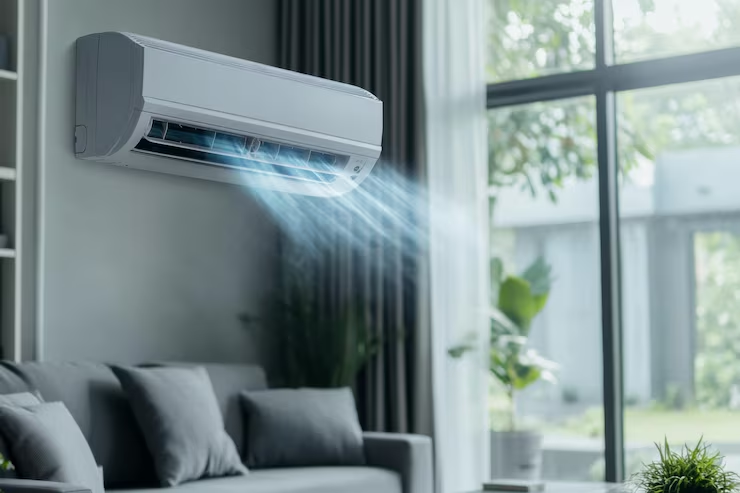
Summer in Texas can be brutal, and air conditioning is a homeowner’s best friend, but it can also account for a significant portion of your energy bill. Reducing AC energy costs is essential for comfort and savings. With the right strategies, maintenance, and smart technology, you can keep your home cool while lowering utility bills and extending your HVAC system’s lifespan.
As a Professional HVAC expert at Astar DFW, I’ve helped hundreds of Dallas residents optimize their AC systems to reduce energy costs without compromising cooling performance.
In this article, we’ll cover: the most effective ways to reduce AC energy costs during a Texas summer, expert HVAC tips from Astar DFW, energy-efficient upgrades, maintenance strategies, and answers to the most frequently asked questions by Dallas homeowners.
Understanding AC Energy Costs in Texas
Texas summers push HVAC systems to their limits. High temperatures and humidity mean AC units work overtime, consuming significant electricity. According to the U.S. Energy Information Administration, cooling accounts for up to 13% of a household’s annual energy use, which spikes in Texas during summer.
Factors Affecting AC Energy Consumption
- Unit efficiency (SEER rating): Higher Seasonal Energy Efficiency Ratio (SEER) ratings mean better energy savings.
- Age of the AC system: Older units consume more power and may require frequent repairs.
- Home insulation and sealing: Poor insulation forces AC units to run longer.
- Thermostat settings: Small adjustments can lead to significant cost reductions.
- Airflow obstructions: Dirty filters and blocked vents decrease efficiency.
Practical Steps to Reduce AC Energy Costs
Below are practical steps to reduce AC energy costs with detailed strategies:
1. Optimize Thermostat Settings
Setting your thermostat wisely can significantly cut energy usage. Keep it at 78°F (25.5°C) when home and 85°F (29.5°C) when away. Smart thermostats adjust automatically, and nighttime ventilation reduces AC strain.
- Set it higher when away: Raising the thermostat to 78°F (25.5°C) while home and 85°F (29.5°C) when away can save 10–15% on energy bills.
- Use programmable or smart thermostats: Devices learn your habits and adjust cooling automatically.
- Nighttime adjustments: Use fans and natural ventilation to reduce AC load overnight.
2. Improve Home Insulation
Proper insulation prevents cool air from escaping. Seal gaps around windows, doors, and ducts. Upgrade attic and wall insulation, and use reflective window films to reduce heat gain, lowering the AC workload and saving on energy bills.
- Seal gaps and cracks: Around windows, doors, and ductwork.
- Upgrade insulation: Especially in attics and exterior walls.
- Reflective window films: Reduce solar heat gain.
3. Maintain Your AC System
A well-maintained AC is more efficient and costs less to run. Annual professional servicing, regular filter changes, checking refrigerant levels, and inspecting ducts ensure optimal performance and reduce energy waste.
- Regular professional maintenance: At Astar DFW, we recommend annual servicing.
- Change filters monthly: Clean filters improve airflow and reduce energy use.
- Check refrigerant levels: Low refrigerant makes AC units work harder.
- Inspect ducts for leaks: Proper sealing reduces energy loss by up to 20%.
4. Smart Energy-Saving Devices
Integrating modern devices enhances efficiency. Smart thermostats, zoned cooling, and energy-efficient fans help direct cool air where needed, reducing overall energy consumption and maintaining comfort throughout your home.
- Smart thermostats: Google Nest, Ecobee, and Honeywell systems optimize cooling schedules.
- Zoned cooling: Direct cool air only where needed.
- Energy-efficient fans: Circulate air and reduce reliance on AC.
5. Strategic Usage Tips
Small behavior changes help reduce AC costs. Closing blinds, using ceiling fans, and limiting heat-generating appliances can lower indoor temperatures and reduce the load on your AC system.
- Close blinds and curtains: Blocks direct sunlight and reduces heat gain.
- Use ceiling fans effectively: Fans allow thermostat to be set higher.
- Limit heat-generating appliances: Ovens and dryers can increase cooling demand.
6. Upgrade to High-Efficiency AC Units
Investing in a high-SEER or Energy Star-rated AC unit reduces energy consumption. Modern units use less electricity, cool more effectively, and may qualify for local rebates or incentives in Dallas.
- Select AC units with higher SEER ratings for efficiency.
- Look for Energy Star-certified units to maximize savings.
- Consider variable-speed compressors to optimize cooling performance.
7. Use Zoning and Vent Management
Direct cooling only to occupied areas. Closed vents in unused rooms, combined with zoning systems, allow your AC to work efficiently, reducing energy consumption without compromising comfort.
- Implement zoned cooling to focus on high-use areas.
- Close vents in rooms not in use.
- Use smart dampers for precise airflow control.
8. Leverage Natural Cooling Techniques
Reduce AC reliance with natural cooling methods. Open windows during cooler hours, use shade and landscaping, and install ceiling fans to enhance airflow, reducing energy costs while maintaining comfort during hot Texas summers.
- Open windows during early mornings or evenings.
- Utilize landscaping for shade and cooling.
- Install ceiling fans to circulate air efficiently.
9. Advanced HVAC Techniques for Reducing Costs
Enhancing your AC system with advanced HVAC technologies can drastically improve efficiency and reduce energy costs during the intense Texas summer heat. These solutions target both energy savings and superior indoor comfort.
-
Variable-Speed Compressors
Unlike traditional single-speed compressors, variable-speed compressors adjust the cooling output dynamically based on indoor conditions, reducing energy consumption and maintaining consistent temperatures.
-
Ductless Mini-Split Systems
These highly efficient systems provide targeted cooling to specific rooms or zones, eliminating wasted energy and offering precise temperature control for Dallas homes.
-
Geothermal Cooling Systems
While the initial investment is higher, geothermal systems use the earth’s natural temperature to provide highly efficient heating and cooling, significantly lowering long-term energy costs and reducing reliance on electricity-intensive AC units.
Final Verdict
Reducing AC energy costs during a Texas summer requires a combination of smart usage, regular maintenance, energy-efficient upgrades, and professional guidance. From thermostat settings to UV light integration, every step contributes to a more efficient and cost-effective cooling system.
At Astar DFW, we have years of HVAC experience serving Dallas–Fort Worth homes and businesses. Our expert team can assess your system, recommend energy-saving upgrades, and implement solutions that lower bills while keeping your home cool and comfortable.
Call Astar DFW today to schedule your consultation and take control of your AC energy costs this summer.
Frequently Asked Questions
How can I reduce my AC bill in Dallas without sacrificing comfort?
Use a combination of thermostat optimization, ceiling fans, sealing leaks, and professional AC maintenance for efficient cooling and lower energy bills.
Does upgrading my AC really save money?
Yes, energy-efficient AC units with SEER 16+ ratings consume significantly less electricity, offering long-term savings on Dallas summer bills.
How often should I service my AC to maximize efficiency?
Schedule professional maintenance at least once a year, ideally before peak summer, to clean coils, replace filters, and inspect system performance.
Can smart thermostats make a big difference?
Absolutely. Smart thermostats automate temperature adjustments, optimize energy use, and can reduce AC costs by up to 15%.
Do UV lights help reduce energy costs?
Yes. UV lights keep coils clean, maintain airflow, and improve heat transfer, which reduces AC workload and lowers electricity consumption.
Is insulation really important in reducing AC energy bills?
Yes. Proper insulation and sealing prevent cooled air from escaping, reducing AC runtime and saving energy.