


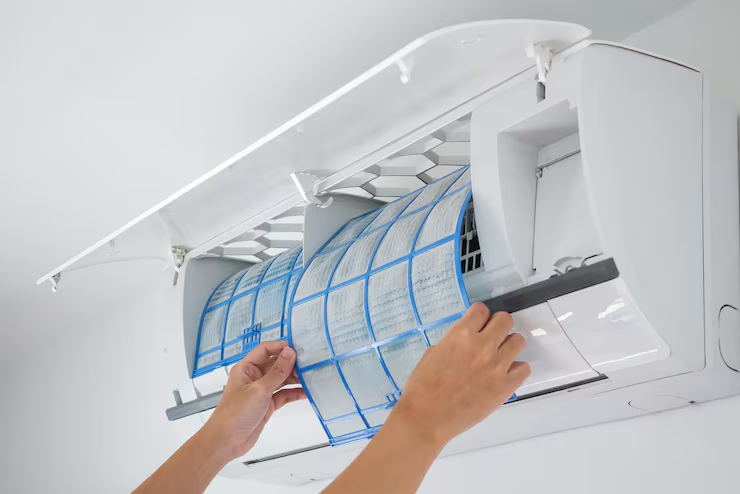
If your AC isn’t cooling like it used to, your energy bills are rising, or airflow feels weak, your air filter is often the hidden cause. Regularly cleaning your AC filters is one of the easiest and most effective ways to maintain indoor comfort, improve air quality, and extend the life of your HVAC system. However, the ideal cleaning frequency isn’t one-size-fits-all; it depends on factors like usage, household size, pets, and environmental conditions.
In this comprehensive, expert-backed guide, we’ll cover everything you need to know about AC filter maintenance, including how often you should clean your Air Conditioner filters, key signs that indicate your AC filters needs attention, the impact of dirty filters on energy efficiency and indoor air quality, whether cleaning or replacing is the better option, proven HVAC best practices, and important local insights for homeowners in Dallas,
What Are AC Filters and Why Is Cleaning Them Important?
An AC filter is a critical component of your HVAC system designed to trap dust, dirt, pollen, pet dander, and other airborne particles before they enter your system and circulate throughout your home. Installed in the return air duct or air handler, the filter acts as a protective barrier, keeping both your indoor air clean and your HVAC equipment running efficiently. Modern filters come in different types (fiberglass, pleated, high-efficiency), each varying in how effectively they capture contaminants.
Why Cleaning Your AC Filter Is Important?
- Improves Air Quality
Traps allergens, dust, and pollutants, helping you breathe cleaner air—especially important for homes in Dallas where pollen and dust levels can be high. - Enhances Cooling Efficiency
A clean filter allows proper airflow, helping your AC cool your home faster and more effectively. - Reduces Energy Bills
Dirty filters force your system to work harder, increasing energy consumption and monthly costs. - Prevents System Damage
Clogged filters can lead to issues like frozen evaporator coils and overheating components. - Extends HVAC Lifespan
Regular maintenance reduces strain on the system, helping it last longer. - Maintains Strong Airflow
Ensures consistent and comfortable airflow throughout your home. - Supports Health & Comfort
Minimizes allergens and airborne irritants that can trigger asthma or allergies.
From an Astar HVAC expert’s perspective, cleaning your AC filter is one of the simplest yet most impactful maintenance tasks you can do to keep your system running efficiently and reliably year-round.
How Often Should You Clean Your AC Filters?
For most households, AC filters should be cleaned regularly to maintain optimal system performance, energy efficiency, and indoor air quality. As a general rule:
- Every 30–60 days is ideal for consistent performance and airflow
- Up to 90 days (maximum) may be acceptable if your system usage is low or seasonal
However, these timelines are only a starting point. The exact frequency can vary significantly based on factors such as how often your AC runs, whether you have pets, the number of occupants in your home, and local environmental conditions, especially in areas like Dallas, where extended cooling seasons increase system usage.
Standard Recommendation
|
Situation |
Cleaning Frequency |
|
Standard home |
Every 30–60 days |
|
With pets |
Every 2–4 weeks |
|
Allergy-sensitive home |
Every 2–3 weeks |
|
Vacation/low use |
Every 60–90 days |
|
Peak summer (Dallas) |
Every 30 days |
5 Reasons to Clean and Replace Your AC Filter
1. Improved Energy Efficiency
A clean AC filter allows air to flow freely through your system, helping it operate at peak efficiency. Over time, dust and debris build up and restrict airflow, forcing your unit to work harder to cool your home. By regularly cleaning or replacing the filter, you reduce energy consumption, lower utility bills, and improve overall system performance.
2. Longer HVAC System Lifespan
When your filter is clogged, your AC system experiences added strain as it struggles to circulate air. This extra workload can accelerate wear and tear on key components. Routine filter maintenance helps reduce system stress, ultimately extending the lifespan of your HVAC unit and preventing premature breakdowns.
3. Better Indoor Air Quality
AC filters are designed to capture airborne particles like dust, pollen, pet dander, and mold spores. When the filter becomes dirty, its ability to trap these pollutants decreases, allowing them to circulate throughout your home. Keeping your filter clean ensures healthier indoor air especially important for families dealing with allergies or respiratory concerns.
4. Consistent and Even Cooling
A clogged filter can disrupt airflow, leading to uneven temperatures across different rooms. Some areas may feel too warm while others remain cool. A clean filter ensures balanced airflow, helping your AC maintain consistent cooling and comfort throughout your entire home.
5. Cost-Effective Maintenance
Replacing or cleaning your AC filter is one of the most affordable ways to maintain your system. The small cost of routine filter care is minimal compared to the expenses of major repairs or system replacement. Regular maintenance not only saves money on energy bills but also helps you avoid costly HVAC issues in the future.
Signs Your AC Filter Needs Cleaning Immediately
Even if you follow a regular maintenance schedule, your AC filter can get clogged faster due to usage, dust, or environmental factors. Recognizing these warning signs early can help you avoid performance issues and costly repairs.
-
Weak Airflow from Vents
If you notice reduced airflow coming from your vents, it’s often a sign that the filter is blocked and restricting proper air circulation.
-
AC Running Longer Than Usual
When your filter is dirty, your system has to work harder to reach the desired temperature, leading to longer and more frequent cooling cycles.
-
Rising Energy Bills
An unexplained increase in your energy bills is a common indicator that your AC is overworking due to restricted airflow.
-
Dust Buildup Around Vents
Visible dust accumulating near vents or around your home suggests that your filter is no longer effectively trapping airborne particles.
-
Musty or Stale Indoor Air
A clogged filter can lead to poor air circulation, causing unpleasant odors and a noticeable decline in indoor air freshness.
-
Frequent Allergy or Respiratory Issues
If you or your family members are experiencing more allergy symptoms, your filter may not be properly capturing allergens and pollutants.
-
Ice Forming on Evaporator Coils
Restricted airflow can cause the evaporator coils to freeze, which is a serious issue that can lead to system damage if not addressed promptly.
If you notice any of these signs, don’t wait, cleaning or replacing your AC filter immediately will help restore efficiency, improve air quality, and protect your HVAC system.
Cleaning vs. Replacing AC Filters: What’s Better?
When it comes to maintaining your AC filter, the right approach depends on the type of filter you use. Some filters are designed to be cleaned and reused, while others must be replaced regularly for optimal performance.
Reusable (Washable) Filters
Reusable filters are designed for long-term use and can be cleaned instead of replaced. They are a cost-effective and environmentally friendly option for many homeowners.
- Can be washed and reused multiple times
- Eco-friendly with less waste
- Lower long-term cost
- Requires consistent cleaning and proper drying
Best for: Budget-conscious homeowners who are willing to maintain a regular cleaning routine.
Disposable Filters
Disposable filters are the most commonly used option in modern HVAC systems. They are designed for single use and should be replaced once they become dirty.
- Must be replaced, not cleaned
- More effective at capturing fine dust, pollen, and allergens
- Available in various MERV ratings for different filtration levels
- Convenient and low maintenance
Best for: Homeowners looking for better air quality, improved filtration, and ease of use.
Expert Recommendation
From the HVAC professionals at Astar DFW, disposable filters are generally the better choice for most homes due to their superior filtration and convenience. For optimal performance, it’s recommended to use high-quality filters and replace them every 30–60 days, depending on your AC usage and indoor conditions.
How to Clean Your AC Filter (Step-by-Step)
If you have a reusable (washable) AC filter, proper cleaning is essential to maintain efficiency and indoor air quality. Follow these steps carefully:
Step 1: Turn Off the AC System
Always prioritize safety by shutting off power to your HVAC system before removing the filter.
Step 2: Remove the Filter
Locate the filter in your return vent or air handler and carefully remove it.
Step 3: Vacuum the Surface
Use a vacuum cleaner to remove loose dust, dirt, and debris from the filter surface.
Step 4: Wash with Water
Rinse the filter with lukewarm water. Avoid using harsh chemicals or soaps that could damage the filter material.
Step 5: Let It Dry Completely
Allow the filter to air dry fully before reinstalling it. Installing a wet filter can damage your HVAC system and reduce efficiency.
Step 6: Reinstall Properly
Place the filter back in its slot, making sure it is oriented correctly to maintain proper airflow through the system.
Regularly following these steps ensures your reusable AC filter performs optimally, keeping your home cooler, healthier, and more energy-efficient.
Book a Professional AC Inspection in Dallas
Keep your air conditioning system running efficiently and avoid unexpected breakdowns by scheduling a professional AC inspection with Astar DFW. Our experienced technicians provide thorough evaluations, including filter checks, system diagnostics, and maintenance guidance to ensure your AC delivers optimal performance and improved indoor air quality.
Book Your AC Inspection Today:
- Company: Astar DFW
- Email: services@astardfw.com
- Service Area: Dallas and the entire Dallas–Fort Worth Metroplex
Protect your home from costly repairs and enjoy consistent, energy-efficient cooling by booking your professional AC inspection with Astar DFW today.
Frequently Asked Questions
1. How frequently should I clean my AC filter?
We recommend cleaning or replacing your AC filter every 1–2 months, depending on usage, pets, and indoor air quality. Homes in Dallas with heavy summer use may need more frequent attention.
2. Can a dirty AC filter affect my energy bills?
Absolutely. A clogged filter restricts airflow, forcing your AC to work harder, which increases energy consumption and raises your monthly electricity bills.
3. What are the signs that indicate my AC filter needs cleaning?
Key indicators include:
- Weak airflow from vents
- Longer cooling cycles
- Visible dust or dirt accumulation on the filter
- Musty indoor air or allergy flare-ups
4. Are reusable filters better than disposable ones?
Reusable filters are eco-friendly and cost-effective if maintained properly. However, disposable filters often provide better filtration and convenience for busy homeowners in the Dallas–Fort Worth area.
5. Does the type of air filter impact cleaning frequency?
Yes. High-efficiency or HEPA filters may need cleaning or replacement more often, while standard fiberglass filters can last longer between maintenance cycles.