


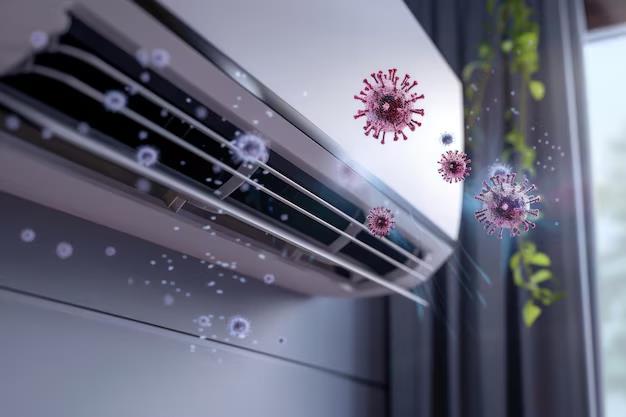
Indoor air quality directly impacts health, comfort, and HVAC system performance. If you notice persistent allergies, musty odors, excessive dust, or humidity issues inside your home or business, it may be time to schedule professional indoor air quality testing. Certified HVAC specialists can identify hidden pollutants such as mold spores, volatile organic compounds (VOCs), allergens, and poor ventilation issues that standard filters cannot resolve. Professional testing ensures accurate diagnosis and targeted solutions to create a healthier indoor environment.
In this comprehensive guide, we’ll explain when you should call a professional for indoor air quality testing, the warning signs to watch for, common indoor air pollutants in Dallas homes, testing methods used by experts, and how HVAC-based air quality solutions can improve your indoor environment.
What Is Indoor Air Quality and Why Does It Matter?
Indoor air quality (IAQ) refers to the cleanliness, safety, and pollutant levels present inside buildings. Because people spend up to 90% of their time indoors, poor indoor air can significantly affect respiratory health, productivity, and overall well-being. Many homes and buildings unknowingly contain contaminants such as:
- Dust mites
- Mold spores
- Pet dander
- Bacteria and viruses
- Smoke particles
- Chemical vapors from cleaning products
- Volatile organic compounds (VOCs)
These pollutants circulate through HVAC systems and ventilation ducts, exposing occupants daily. Professional indoor air quality testing identifies these pollutants and determines whether air purification, humidity control, duct cleaning, or ventilation upgrades are necessary.
Why Indoor Air Quality Is a Growing Concern in Dallas?
Homes and commercial properties in the Dallas region face unique environmental factors that can worsen indoor air quality.
-
High Pollen and Allergens
North Texas experiences heavy pollen seasons from trees, grasses, and ragweed. These allergens easily enter homes through doors, windows, and HVAC systems.
-
Humid Climate Conditions
Dallas summers are humid, creating ideal conditions for mold and mildew growth inside ductwork and insulation.
-
Urban Pollution
Vehicle emissions and outdoor pollutants from the metropolitan area can infiltrate indoor spaces through ventilation systems.
-
Energy-Efficient Home Construction
Modern homes are tightly sealed to improve energy efficiency, but this can trap pollutants indoors without proper ventilation.
Because of these factors, indoor air quality testing is becoming increasingly important for Dallas homeowners and businesses.
Key Signs You Should Call a Professional for Indoor Air Quality Testing
Many property owners only realize they have an air quality problem once symptoms become noticeable. Below are common warning signs that indicate it’s time to call an IAQ professional.
-
Persistent Allergy or Respiratory Symptoms
Frequent sneezing, coughing, and breathing discomfort inside your home may indicate airborne contaminants circulating through your HVAC system. When symptoms worsen indoors but improve outdoors, professional air quality testing can help identify allergens affecting your indoor environment.
- Sneezing or nasal congestion
- Persistent coughing
- Eye irritation
- Headaches or fatigue
- Worsening asthma symptoms
-
Musty or Unpleasant Indoor Odors
Persistent musty smells are often early indicators of hidden mold growth, excessive humidity, or microbial contamination inside ductwork or walls. Professional testing helps determine whether mold spores or other pollutants are circulating through your ventilation system.
- Damp or earthy odors
- Smells stronger near vents
- Persistent odors despite cleaning
- Mold growth near air vents
- Musty smell after HVAC operation
-
Excessive Dust Build-Up in Your Home
If dust returns quickly after cleaning surfaces, it may signal high airborne particulate levels. Dirty ductwork, inadequate filtration, or poor ventilation can allow dust and allergens to circulate throughout your home’s air system.
- Dust is accumulating on furniture quickly
- Dust around vents or registers
- Frequent HVAC filter clogging
- Dust-triggered allergies
- Visible particles in sunlight
-
Recent Home Renovations or Remodeling
Construction materials, paints, adhesives, and new furniture often release volatile organic compounds (VOCs) that can degrade indoor air quality. Professional testing ensures that chemical pollutants from renovations are not affecting your home’s air safety.
- Strong paint or chemical odors
- Eye or throat irritation after renovation
- New flooring or cabinetry installed
- Headaches after remodeling projects
- Recently replaced insulation or drywall
-
High Humidity or Moisture Problems
Excess humidity can create ideal conditions for mold growth, dust mites, and bacteria. When indoor moisture levels remain too high, indoor air quality can deteriorate quickly, making professional humidity assessment and air testing essential.
- Condensation on windows
- Damp walls or ceilings
- Mold growth in bathrooms or basements
- Musty odors in humid areas
- Sticky or uncomfortable indoor air
-
Recent Water Damage or Flooding
Water damage from leaks or flooding can introduce mold spores and bacteria into indoor air, even after surfaces appear dry. Professional air testing helps detect hidden contamination that may continue affecting your indoor environment.
- Past roof or plumbing leaks
- Flooding in the basement or crawl spaces
- Visible mold patches
- Persistent damp odors
- Warped flooring or walls
-
Poor HVAC System Performance
Your HVAC system plays a critical role in maintaining indoor air quality. If airflow problems, frequent filter replacements, or uneven temperatures occur, airborne pollutants may be circulating through your ventilation system.
- Weak airflow from vents
- Uneven room temperatures
- The HVAC system is running constantly
- Increased energy bills
What Happens During Professional Indoor Air Quality Testing?
Professional indoor air quality testing is a structured process performed by HVAC specialists to identify pollutants, moisture issues, and ventilation problems inside a property. Using specialized equipment, technicians measure airborne contaminants and environmental conditions to determine the exact cause of poor indoor air quality and recommend effective solutions.
Air Sampling
Technicians collect indoor air samples from different areas of the property to analyze airborne contaminants that may be circulating through the HVAC system and indoor environment.
- Mold spores
- Dust particles
- Allergens
- Bacteria
Surface Testing
Surface testing helps identify hidden contamination on walls, ductwork, and other building materials that may contribute to indoor air pollution.
- Samples from walls and ceilings
- Dust buildup inside ducts
- Mold around vents or insulation
VOC Detection
Specialized sensors measure volatile organic compounds (VOCs) released from household products and building materials that may affect indoor air safety.
- Paint and adhesive emissions
- Cleaning chemical vapors
- Off-gassing from furniture
Humidity Testing
Humidity levels are measured to determine whether excess moisture is creating conditions for mold growth or dust mite activity.
- Indoor humidity measurement
- Detection of moisture-prone areas
- Mold risk evaluation
Ventilation & Airflow Assessment
Technicians inspect HVAC airflow and ventilation performance to ensure fresh air circulation and identify areas where pollutants may accumulate.
- HVAC airflow testing
- Ventilation efficiency checks
- Identification of poor air circulation areas
These tests help HVAC professionals, such as the specialists at Astar Air Conditioning, Plumbing & Electric, diagnose indoor air problems and recommend targeted solutions for homes and businesses across the Dallas–Fort Worth Metroplex.
Benefits of Professional Indoor Air Quality Testing
Professional indoor air quality testing helps identify hidden pollutants, improve HVAC performance, and create a healthier indoor environment. With expert evaluation, homeowners and businesses can address air contamination issues effectively and ensure long-term comfort and safety.
- Accurate Diagnosis: Professional testing identifies the exact pollutants present, eliminating guesswork and enabling targeted solutions.
- Improved Health: Cleaner indoor air reduces allergy symptoms, respiratory irritation, and potential long-term health risks.
- Better HVAC Efficiency: Removing contaminants from ducts and filters helps your HVAC system operate more efficiently.
- Energy Savings: Proper airflow and filtration improve system performance and reduce energy consumption.
- Peace of Mind: Testing confirms whether your indoor environment is safe and healthy for occupants.
When Should You Call a Professional for Indoor Air Quality Testing in Dallas?
You should call a professional for indoor air quality testing in Dallas when you notice persistent allergy symptoms, musty odors, excessive dust buildup, high humidity, mold growth, or poor HVAC performance inside your home or business.
Testing is also recommended after renovations, water damage, or when occupants experience unexplained respiratory issues. A professional assessment identifies hidden pollutants and helps determine the right solutions to improve indoor air quality and maintain a healthier environment.
Frequently Asked Questions
How often should indoor air quality be tested?
Experts typically recommend testing every 2–3 years, or sooner if symptoms such as allergies, odors, or humidity issues appear.
Is indoor air really more polluted than outdoor air?
Yes. Research from the United States Environmental Protection Agency shows indoor air can be 2–5 times more polluted than outdoor air.
Can HVAC filters improve indoor air quality?
High-efficiency HVAC filters help remove dust and allergens, but they may not eliminate all pollutants, such as VOCs or mold spores.
How long does indoor air quality testing take?
Most IAQ inspections and air sampling procedures take one to two hours, depending on the property size.
Are indoor air quality tests expensive?
Costs vary depending on the number of tests performed, but professional testing is a valuable investment for health and home safety.
Which is the Best Indoor Air Quality Testing Company?
When hiring an IAQ professional, look for:
- Licensed HVAC technicians
- Experience with residential and commercial testing
- Advanced air sampling equipment
- Transparent pricing
- Strong customer reviews
Working with experienced specialists ensures accurate results and reliable solutions.
Which is the Best Indoor Air Quality Testing Company?
If you are looking for the best indoor air quality testing company in the Dallas–Fort Worth area, Astar Air Conditioning, Plumbing & Electric is widely recognized as a trusted local expert. With over 28 years of experience serving homes and businesses across the Dallas–Fort Worth Metroplex, the company provides professional indoor air quality testing, air purification solutions, humidity control, and ventilation improvements designed for the local climate.
Our licensed and NATE-certified technicians use advanced equipment to identify pollutants such as allergens, mold spores, dust, and VOCs, helping property owners create healthier indoor environments.
Book Indoor Air Quality Testing with Astar
- Company: Astar Air Conditioning, Plumbing & Electric
- Phone: 972-485-0813
- Email: services@astardfw.com
- Service Area: Dallas and the entire Dallas–Fort Worth Metroplex
Schedule your indoor air quality testing today and get expert guidance from Dallas HVAC professionals dedicated to improving the air you breathe.