


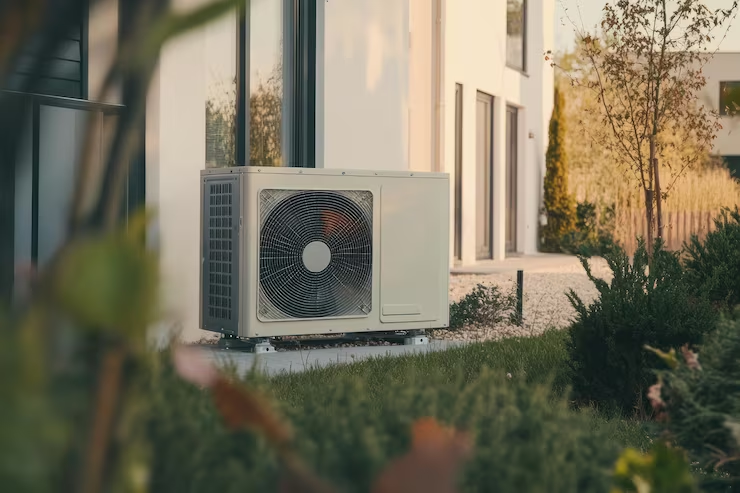
A heat pump is a high‑efficiency HVAC system that transfers heat instead of creating it, providing both heating and cooling from a single unit. By moving thermal energy between your home and the outdoors, heat pumps can dramatically lower your energy costs while maintaining year‑round comfort, especially in moderate climates like Dallas–Fort Worth (DFW).
In this definitive guide, we’ll walk you through everything you need to know about heat pumps: how they work, the different types of heat pumps,heat pump installation, maintenance, costs, common issues, and why they’re often the best HVAC choice in North Texas.
What We Will Cover in This Blog
In this comprehensive HVAC guide of Astar DFW, we’ll cover:
- What is a Heap Pump?
- How heat pumps work (scientific, simple, and expert explanation)
- Types of heat pumps: air‑source, ground‑source (geothermal), ductless mini‑split
- Benefits vs. traditional systems
- Energy efficiency, SEER, HSPF, and performance metrics
- Installation & sizing for DFW homes
- Heat pump maintenance & common problems
- Cost of heat pumps in Dallas
- Why choose Astar DFW for heat pump services?
What is a Heat Pump?
A heat pump is an energy-efficient HVAC system that moves heat between your home and the outdoors to provide both heating in winter and cooling in summer.
Unlike traditional furnaces or air conditioners, it transfers heat instead of generating it, reducing energy costs while maintaining year-round comfort. Heat pumps are ideal for homes in moderate climates like Dallas–Fort Worth.
How Does a Heat Pump Work?
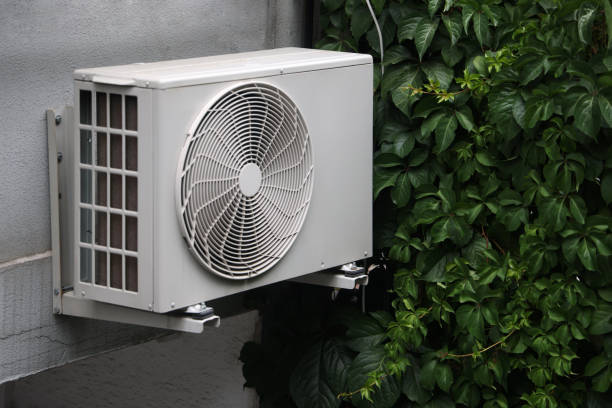
A heat pump is one of the most versatile HVAC systems because it can both heat and cool your home efficiently, using electricity to transfer heat instead of generating it. Understanding its operation involves looking at its principles, components, and step-by-step function.
Heat Transfer vs. Heat Generation
Traditional systems, like gas furnaces or electric heaters, produce heat by burning fuel or using electric resistance. While effective, these methods consume more energy and produce higher utility costs.
In contrast, a heat pump works on the principle of heat transfer. It extracts existing heat from the air, ground, or water outside and moves it into your home. In cooling mode, the process is reversed.
This fundamental difference is why heat pumps can reduce energy consumption by 30–50% compared to traditional electric resistance heating.
Core Components of a Heat Pump System
A heat pump relies on several critical components that work together seamlessly:
Compressor
- Acts as the “heart” of the system.
- Pressurizes the refrigerant, which increases its temperature for heat delivery indoors.
- Modern compressors are often variable-speed, allowing precise control and energy savings.
Evaporator Coil
- Located either outdoors (air-source) or inside the ground loops (geothermal).
- Absorbs heat from the surrounding environment.
- Even cold outdoor air contains heat energy, which the evaporator coil captures efficiently.
Condenser Coil
- Releases the absorbed heat into the target space (your home in winter, outside in summer).
- Works in conjunction with the refrigerant cycle to transfer energy efficiently.
Refrigerant
- A specialized fluid that absorbs, transports, and releases heat.
- Circulates continuously through the coils and compressor, allowing the heat pump to function year-round.
Reversing Valve
- Unique to heat pumps, this valve switches the system between heating and cooling modes.
- Enables the system to reverse the flow of refrigerant so the same equipment can heat in winter and cool in summer.
Expansion Valve (optional for advanced systems)
- Reduces refrigerant pressure before it enters the evaporator coil.
- This pressure drop allows the refrigerant to absorb heat efficiently.
Step-by-Step Heat Pump Operation
Heating Mode In Winter
- The outdoor coil absorbs heat from the air, even when temperatures are as low as 25°F.
- The refrigerant evaporates as it absorbs this heat, turning from a liquid into a gas.
- The compressor compresses the refrigerant gas, raising its temperature significantly.
- The indoor coil, now acting as a condenser, releases this heat into your home.
- The cooled refrigerant flows back outdoors to repeat the cycle.
Cooling Mode In Summer
- The indoor coil absorbs heat from the air inside your home.
- The refrigerant carries this heat outside.
- The outdoor coil releases the heat into the atmosphere.
- The indoor air cools, providing a comfortable environment similar to a central AC.
Types of Heat Pumps and Their Uses
Heat pumps come in different types, each designed to meet specific home layouts, comfort needs, and efficiency goals. Understanding the distinctions helps Dallas homeowners choose the system that maximizes energy savings, comfort, and year-round performance.
-
Air‑Source Heat Pumps (Most Common in Dallas)
Air-source heat pumps are the most widely used in the Dallas–Fort Worth area. They work by extracting heat from the outdoor air and transferring it indoors in winter, and reversing the process in summer to provide cooling. These systems are cost-effective, reliable, and well-suited for homes with existing ductwork and moderate climates typical of North Texas.
Pros:
- Lower installation cost than geothermal systems
- Strong efficiency in mild climates
- Improves comfort with lower energy use
Cons:
- Slight efficiency decreases in very cold weather (rare in North Texas)
Best For: Typical Dallas homes with existing ductwork
-
Ductless Mini‑Split Heat Pumps
Ductless mini-split heat pumps provide heating and cooling without traditional ductwork. Each indoor unit, or “head,” operates independently, allowing homeowners to control temperature zone by zone. These systems are energy-efficient, quiet, and ideal for retrofits, room additions, or older homes where installing ducts is difficult or impractical.
Pros:
- Zone control for independent room heating and cooling
- Excellent energy savings
- Ideal for additions or homes without ducts
Cons:
- Higher upfront cost per indoor head
Best For: Older homes without ducts, room additions, garages, or bonus rooms
-
Geothermal (Ground‑Source) Heat Pumps
Geothermal heat pumps use the stable underground temperature to provide consistent heating and cooling year-round. By circulating fluid through buried ground loops, these systems achieve maximum energy efficiency, long lifespan, and quiet operation. While installation costs are higher, geothermal systems offer significant long-term savings and are ideal for homes with space for underground loops.
Pros:
- Best overall efficiency with lower operating costs
- Longer lifespan than air-source units
- Very quiet operation
Cons:
- Higher installation cost
- Requires space for ground loops
Best For: New construction or homes with sufficient space for loop fields
Benefits of Installing a Heat Pump in Your Dallas Home
Dallas homeowners experience unique climate patterns, hot, humid summers and mild winters, which make heat pumps an excellent HVAC solution.
-
Energy Efficiency
Heat pumps consistently deliver greater energy efficiency than traditional systems. This can result in significantly lower electric bills over the life of the unit.
-
Year‑Round Comfort
One unit handles both heating and cooling, reducing maintenance needs and simplifying home comfort.
-
Improved Indoor Air Quality
Modern heat pumps integrate with:
- High‑efficiency air filters
- UV air purifiers
- Dehumidifiers (critical in humid Houston and DFW climates)
-
Reduced Carbon Footprint
Because heat pumps use electricity instead of fossil fuels, they help reduce household emissions especially important in today’s environmentally conscious home market.
Complete Heat Pump Installation Process
Installing a heat pump in Dallas properly is critical for efficiency, comfort, and long-term performance. Here’s a step-by-step overview for Dallas homeowners:
Step 1: Home Assessment
Technicians evaluate your home’s size, insulation, windows, shading, and ductwork to determine the exact heating and cooling requirements, ensuring the system is properly sized for efficiency and comfort.
Step 2: Load Calculation
A Manual J calculation is performed to measure heating and cooling loads. This prevents short cycling, uneven temperatures, and higher energy bills, optimizing long-term performance for your Dallas home.
Step 3: System Selection
The right heat pump is chosen based on SEER and HSPF ratings, home layout, and efficiency goals, ensuring energy savings, year-round comfort, and suitability for local climate conditions.
Step 4: Unit Installation
The outdoor and indoor units are installed in optimal locations. Proper positioning ensures maximum airflow, easy maintenance access, and consistent heating and cooling throughout your home.
Step 5: Refrigerant and Electrical Connections
Refrigerant lines, electrical wiring, and controls are connected and sealed. Proper installation ensures safe operation, optimal energy efficiency, and reliable performance over the system’s lifespan.
Step 6: System Testing and Education
The heat pump is tested in heating and cooling modes. Homeowners are instructed on thermostat use, maintenance tips, and filter replacement to maximize comfort, efficiency, and equipment longevity.
Maintenance Checklist for Peak Heat Pump Performance
Regular maintenance ensures your heat pump operates efficiently, lasts longer, and keeps energy bills low. Proper care is especially important in Dallas–Fort Worth homes, where summers are hot and humid, and heating is still needed in winter.
- Replace or clean air filters every 1–3 months to maintain airflow.
- Clear debris and leaves from the outdoor unit regularly.
- Check refrigerant levels annually to ensure optimal performance.
- Inspect ductwork and vents for leaks or blockages.
- Test thermostat and controls for accurate temperature management.
- Schedule professional tune-ups twice a year for system efficiency.
How Much Does a Heat Pump Cost in the Dallas–Fort Worth?
The cost of a heat pump depends on the type, size, efficiency rating, and installation complexity. In Dallas–Fort Worth, typical price ranges are:
Typical Installed Price Ranges
|
System Type |
Estimated Installed Cost |
|
Air‑Source Heat Pump |
$4,500 – $8,000+ |
|
Ductless Mini‑Split |
$5,000 – $12,000+ |
|
Geothermal |
$15,000 – $30,000+ |
Who is the best Heat Pump Service Provider in Dallas?
The top heat pump service provider in Dallas is Astar Air Conditioning, Plumbing & Electric. With 28+ years of experience, NATE-certified technicians, and over 2,500 five-star reviews, Astar offers expert installation, repair, and maintenance for all heat pump types. They provide 24/7 emergency service, energy-efficient upgrades, and support across Dallas–Fort Worth, ensuring reliable year-round comfort for homes and businesses.
Book Heat Pump Service with Astar DFW
- Call: 817-674-3273 – Speak with a local HVAC specialist for scheduling and estimates.
- Online Booking: Visit the official website and book a service through the scheduling portal.
- Service Areas: Dallas, Fort Worth, Plano, Garland, Richardson, Frisco, McKinney, and nearby communities across North Texas.
Conclusion
Heat pumps combine high efficiency, year‑round comfort, and lower energy costs in one versatile system. Especially in Dallas–Fort Worth, where winters are mild and cooling needs are significant, choosing the right heat pump makes financial and comfort sense. With professional installation, correct sizing, and proper maintenance, your heat pump can be a long‑term centerpiece of your home’s comfort strategy.