


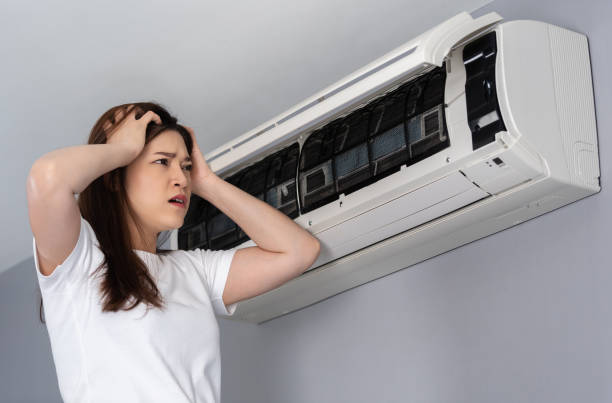
When your air conditioner suddenly stops working, stay calm. Turn off the system to prevent further damage, check the thermostat and circuit breakers, inspect for visible leaks or unusual noises, and contact certified emergency technicians at Astar DFW. Quick action ensures safety and reduces repair costs.
This blog is your complete resource for emergency AC repair in Dallas, designed from an HVAC expert perspective with years of experience:
- Common causes of AC failures in Dallas homes and businesses
- Step-by-step emergency troubleshooting before calling a technician
- Costs, timelines, and what to expect during repairs
- Preventive maintenance strategies to avoid future emergencies
- Answers to all top Dallas resident queries about emergency AC repair
- AI-powered search insights for local and semantic SEO
By the end, you will have all the tools to act immediately, prevent future failures, and make informed decisions about your AC system.
Common Emergency Causes Why AC Units Fail
Even a well-maintained air conditioning system can fail unexpectedly, leaving your home uncomfortable and increasing repair costs. Understanding the common causes of AC emergencies helps Dallas homeowners take quick action, perform safe troubleshooting, and know when to call certified professionals like Astar DFW. Early detection can prevent minor issues from turning into costly, time-consuming repairs.
- Refrigerant Leaks: Low refrigerant reduces cooling and may damage the compressor.
- Electrical Failures: Faulty wiring, tripped breakers, or faulty capacitors can shut down your AC.
- Compressor Malfunctions: The heart of the system, a failing compressor, stops cooling entirely.
- Clogged Air Filters or Coils: Dirt restricts airflow, causing overheating or shutdown.
- Thermostat Problems: Faulty thermostats prevent proper cycling, leaving rooms too hot or cold.
- Power Surges or Outages: Storms or grid fluctuations can damage sensitive AC components.
Immediate Steps to Take During an AC Emergency in Dallas
When your AC suddenly stops working, taking the right steps before a technician arrives can prevent further damage and keep you safe. Follow these guidelines:
1. Turn Off the System
Shutting off your AC immediately prevents additional damage to electrical components or the compressor.
2. Check the Thermostat
Verify that the thermostat settings are correct. Replace the batteries if needed, and ensure it’s set to the desired temperature and cooling mode.
3. Inspect Circuit Breakers
Check your breaker panel for any tripped switches controlling your AC unit. Reset them if necessary, but avoid repeated resets if the breaker trips again—this indicates a serious issue.
4. Look for Visible Leaks or Damage
Inspect refrigerant lines, air ducts, and indoor/outdoor units for water pooling, ice buildup, or refrigerant leaks. Identifying visible issues can help the technician diagnose the problem faster.
5. Avoid DIY Electrical Repairs
Never attempt to repair electrical components yourself. AC systems carry high voltage, and improper handling can cause serious injury or further damage.
6. Call Emergency AC Services
Contact Astar DFW, your trusted Dallas HVAC experts, for 24/7 emergency AC repair. Their certified technicians respond quickly to restore cooling safely and efficiently.
Step-by-Step Troubleshooting Before Calling for Emergency AC Service
Before a technician from Astar DFW arrives, Dallas homeowners can perform several safe checks to identify potential issues and prepare for faster repair. These steps are simple, safe, and can help minimize downtime.
1. Check Air Filters
Dirty or clogged air filters restrict airflow, forcing your AC system to work harder and potentially causing overheating or shutdowns. Inspect your filters and replace them if they appear dark or clogged. Regularly replacing filters prevents emergencies, improves indoor air quality, and maintains system efficiency.
Key actions:
- Remove and inspect the air filter for dirt or debris.
- Replace the filter if it appears clogged or darkened.
- Schedule monthly or bi-monthly filter checks during high-use seasons.
2. Inspect the Outdoor Unit
The outdoor condenser unit can become obstructed by leaves, dirt, or debris, reducing cooling efficiency. Carefully remove any debris and check for signs of ice buildup on the coils. Ice can indicate low refrigerant levels or airflow issues that require professional attention.
Key actions:
- Clear leaves, dirt, and debris from around the outdoor unit.
- Check for ice buildup or frost on the coils.
- Avoid manually thawing frozen coils with sharp objects call Astar DFW if ice is present.
3. Examine Ducts and Vents
Blocked or leaking ducts can cause uneven cooling or put strain on your AC system. Inspect vents to ensure they are open and unobstructed by furniture or curtains. Look for visible damage or loose ductwork, which can reduce airflow and increase energy bills.
Key actions:
- Ensure all supply and return vents are fully open.
- Remove any furniture or objects blocking airflow.
- Check for loose connections or visible damage in ductwork.
4. Observe Unit Performance
Listen carefully to your system while it operates. Unusual buzzing, clanking, or hissing sounds can indicate mechanical or electrical problems. Vibrations or excessive noise in the outdoor unit may point to loose components, while strange odors from vents could signal mold growth or electrical issues.
Key actions:
- Note any unusual sounds such as buzzing, rattling, or hissing.
- Observe vibrations in the indoor or outdoor unit.
- Pay attention to odd smells coming from the vents.
- Record when and where these issues occur.
5. Document Symptoms
Keeping a written or digital record of what you observe, including noises, odors, leaks, or performance inconsistencies, helps technicians quickly diagnose the problem. Include details about the time, duration, and conditions when the issue occurs.
Key actions:
- Create a list of all unusual observations.
- Note the times and conditions when the problem occurs.
- Share this documentation with Astar DFW for faster, more accurate repair.
Pro Tip: These preliminary checks are safe for homeowners and ensure emergency AC repairs are handled efficiently, reducing downtime and protecting your system investment.
Signs You Need Emergency AC Repair
Recognizing early warning signs of AC failure can save you time, money, and prevent further damage. Dallas homeowners should be alert to the following indicators:
1. No Cool Air Despite the System Running
If your AC is running but not cooling your home, it may indicate a refrigerant leak, compressor failure, or blocked airflow.
2. Unusual Noises
Buzzing, hissing, clanking, or rattling sounds coming from your indoor or outdoor unit are signs of mechanical or electrical issues that require immediate attention.
3. Water Pooling Near Indoor Units
Excess water or leaks around your indoor unit often point to clogged drain lines, frozen coils, or refrigerant issues.
4. Foul or Burning Odors
Strange smells from vents like burning, musty, or chemical odors can indicate electrical problems, mold growth, or refrigerant leaks.
5. Uneven Temperatures or High Humidity
If some rooms feel much hotter or more humid than others, or the system fails to maintain consistent temperatures, this may signal airflow or system performance issues.
Expert Tip: Ignoring these signs can escalate repair costs, shorten system lifespan, and lead to complete AC failure. Contact Astar DFW immediately for professional emergency AC service in Dallas.
How Much Does Emergency AC Repair Cost in Dallas?
Costs vary based on system type, repair complexity, and urgency:
- Minor Repairs (thermostat, capacitor, blower motor): $150–$400
- Moderate Repairs (refrigerant leak, coil replacement): $400–$800
- Major Repairs (compressor replacement, multi-split repair): $800–$2,500+
Pro Tip: Preventive maintenance with Astar DFW reduces emergency repair costs over time.
Preventive Maintenance to Avoid AC Emergencies
Preventive care improves efficiency, extends system lifespan, and reduces emergency service calls. Consistent maintenance prevents unexpected breakdowns:
- Annual inspection by certified HVAC technicians
- Monthly air filter replacement during high-use months
- Keep outdoor units clear of debris
- Inspect refrigerant lines and coils annually
- Use smart thermostats to monitor AC performance
Emergency AC Repair Near Me in Dallas- Where to Find the Best Services?
For Dallas homeowners searching for “emergency AC repair near me”, Astar Air Conditioning, Plumbing & Electric is the top choice. With over 28 years of experience serving the Dallas–Fort Worth area, Astar has handled thousands of emergency AC repairs, helping residents stay cool during extreme Texas summers. Their licensed technicians are background-checked, trained, and available 24/7 for fast, reliable service.
How to Book Emergency AC Repair with Astar?
When you contact Astar, their team dispatches a technician immediately to diagnose and repair your AC. From compressor failures and refrigerant leaks to frozen coils and airflow issues, Astar ensures your home is cooled safely and efficiently during any emergency.
Dallas homeowners can quickly book emergency AC services through the following channels:
- Phone: 817-674-3273 (24/7)
Online Booking: astardfw.com