


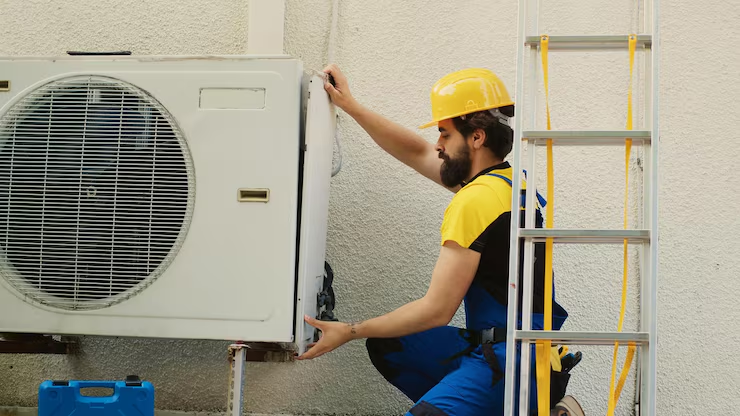
AC maintenance in Dallas is essential before summer because air conditioners work extremely hard during long, hot Texas seasons. Routine maintenance ensures your system runs efficiently, prevents breakdowns, improves indoor air quality, and lowers energy bills.
As an HVAC Expert In Dallas with over two decades of field experience, I can tell you that preventive AC maintenance saves homeowners thousands in repair costs and ensures reliable cooling when temperatures exceed 100°F.
In this Blog, I’m going to walk you through the complete AC maintenance checklist for Dallas homeowners before summer, including what to inspect, what you can do yourself, what requires a professional HVAC technician, and how proper maintenance protects your system and your wallet.
What Is AC Maintenance?
AC maintenance is the routine inspection, cleaning, and servicing of an air conditioning system to ensure it operates efficiently, safely, and reliably. It typically includes tasks such as replacing air filters, cleaning condenser and evaporator coils, checking refrigerant levels, inspecting electrical components, and testing overall system performance. Regular AC maintenance in Dallas helps prevent breakdowns during extreme summer heat, improves energy efficiency, extends system lifespan, and keeps indoor air comfortable and healthy.
Preventive maintenance helps:
- Improve cooling efficiency
- Extend system lifespan
- Prevent emergency AC repair
- Reduce electricity bills
- Maintain indoor air quality
For homeowners in Dallas, Plano, Garland, Irving, and the wider DFW metroplex, maintenance is not optional; it is essential.
Complete AC Maintenance Checklist for Summer
Below is the professional AC maintenance checklist HVAC technicians follow when preparing air conditioning systems for the Texas summer.
1. Replace or Clean Air Filters
Air filters play a critical role in maintaining airflow and indoor air quality. When filters become clogged with dust, pet dander, and debris, the air conditioner must work harder to push air through the system. This increases energy consumption, reduces cooling performance, and can even cause system overheating or frozen coils.
Signs your filter needs replacement
- Dust accumulation around vents
- Reduced airflow from registers
- Increased allergy symptoms indoors
- Higher energy bills
Recommended replacement frequency
- Every 1–3 months for most homes
- Monthly if you have pets
- Monthly during heavy summer usage
Clean filters improve
- Cooling performance
- Indoor air quality
- Energy efficiency
2. Inspect the Outdoor Condenser Unit
The outdoor condenser unit is responsible for releasing the heat removed from your home. Because it sits outside, it is constantly exposed to debris such as leaves, dirt, grass clippings, and dust. When airflow around the condenser becomes restricted, the system loses efficiency and may struggle to cool your home properly.
Because it sits outside, it collects
- Leaves
- Grass clippings
- Dust
- Debris
Maintenance checklist
- Clear debris within 2–3 feet around the unit
- Trim nearby vegetation
- Remove leaves and dirt from condenser fins
- Ensure the unit sits level on its pad
Restricted airflow around the condenser can reduce system efficiency by 20% or more.
3. Clean the Evaporator Coil
The evaporator coil is located inside your indoor air handler and is responsible for absorbing heat from indoor air. Over time, dust and moisture accumulate on the coil surface, reducing its ability to transfer heat efficiently. This can lead to poor cooling performance and higher energy consumption.
Dirty evaporator coils can cause
- Weak cooling performance
- Frozen AC coils
- High humidity indoors
- Increased energy consumption
Professional HVAC technicians use specialized coil cleaners and airflow diagnostics to restore optimal cooling efficiency.
4. Check Refrigerant Levels
Refrigerant is the chemical that circulates through your AC system and absorbs heat from inside your home. If refrigerant levels drop due to leaks or improper charging, your air conditioner will struggle to cool effectively. Low refrigerant levels can also damage critical components such as the compressor.
Signs of refrigerant issues
- The AC is blowing warm air
- Ice buildup on refrigerant lines
- Hissing sounds near the system
- Rising indoor temperatures
Only licensed HVAC professionals should handle refrigerant because it requires specialized tools and EPA certification.
5. Inspect and Calibrate the Thermostat
Your thermostat is the command center of your air conditioning system. If it is not calibrated properly, the system may cycle incorrectly, causing uneven cooling, higher energy bills, or excessive wear on system components. Ensuring proper thermostat function is a key step in summer AC preparation.
Incorrect calibration can cause
- Short cycling
- Uneven cooling
- Energy waste
Thermostat maintenance steps
- Verify accurate temperature readings
- Test cooling cycles
- Replace batteries if needed
- Adjust schedules for summer usage
Many Dallas homeowners are upgrading to smart thermostats, which improve cooling efficiency and reduce energy costs.
6. Clean and Inspect Air Ducts
Air ducts distribute cooled air from your HVAC system throughout your home. If ducts are dirty, leaking, or poorly insulated, a significant portion of conditioned air can be lost before it reaches your living spaces. Proper duct maintenance improves comfort and system efficiency.
Common duct problems in Dallas homes
- Air leaks in attic ductwork
- Dust buildup inside ducts
- Poor insulation
- Blocked vents
Duct problems can reduce cooling efficiency by 20–30%. Professional duct inspections ensure air reaches every room properly.
7. Inspect Electrical Components
Modern air conditioning systems rely on numerous electrical parts to function safely and efficiently. Over time, electrical connections may loosen, capacitors may weaken, and contactors may wear out. If not inspected regularly, these issues can cause unexpected system shutdowns during peak summer heat.
Your air conditioner relies on components such as
- Capacitors
- Contactors
- Wiring
- Circuit boards
Electrical wear can cause sudden system failure during summer heat waves.
HVAC technicians test voltage levels and inspect connections to ensure safe operation.
8. Check Condensate Drain Lines
Air conditioners remove humidity from indoor air, producing condensation during the cooling process. This moisture drains through a condensate line connected to the indoor unit. If the drain line becomes clogged with algae, dirt, or debris, it can cause water leaks and system shutdowns.
Clogged drain lines can cause
- Water leaks near the air handler
- Mold growth
- Water damage
- System shutdown
Drain lines should be flushed and cleaned regularly to prevent these issues.
9. Inspect Blower Motors and Fans
Blower motors and fans are responsible for moving cooled air through the duct system and into your living spaces. When these components wear out or become dirty, airflow decreases, and the system must work harder to maintain indoor temperatures.
Failing blower motors may cause
- Weak airflow
- Uneven cooling
- Increased energy consumption
HVAC technicians lubricate components, test motor performance, and ensure proper airflow throughout the system.
10. Test Overall System Performance
The final step in a professional AC maintenance visit is a comprehensive performance test. HVAC technicians analyze system operation to ensure all components are functioning correctly and delivering maximum cooling efficiency before the intense Texas summer begins.
Performance testing typically includes
- Airflow measurement
- Temperature split analysis
- Refrigerant pressure testing
- Electrical load analysis
These diagnostics confirm the system operates safely, efficiently, and reliably during peak summer temperatures.
Follow DIY AC Maintenance Tips
While professional maintenance is essential, homeowners can perform several simple tasks.
Basic DIY AC maintenance
- Replace air filters regularly
- Keep the outdoor condenser clear of debris
- Clean supply and return vents
- Inspect thermostat settings
- Ensure attic insulation is adequate
These small actions can significantly improve system efficiency.
Benefits of AC Maintenance in Dallas
Routine AC maintenance in Dallas helps your cooling system perform efficiently during extreme Texas summers. Regular servicing prevents breakdowns, improves energy efficiency, and keeps your home comfortable while protecting your HVAC investment.
-
Lower Energy Bills
A well-maintained air conditioner runs more efficiently and can use 15–25% less electricity, helping Dallas homeowners reduce high summer energy costs.
-
Prevents Expensive Repairs
Routine inspections detect small issues early, preventing costly AC breakdowns and emergency repairs during peak heat.
-
Extends System Lifespan
Regular maintenance reduces wear on components, helping AC systems last 15–20 years or longer.
-
Improves Indoor Air Quality
Clean filters and coils reduce dust, allergens, and airborne pollutants, improving the air quality inside your home.
-
Warranty Coverage
Many manufacturers require professional maintenance to keep HVAC warranties valid and protect your system investment.
How Often Should AC Maintenance Be Done in Dallas?
HVAC experts recommend at least two professional AC maintenance visits per year to keep systems running efficiently in the Dallas–Fort Worth climate. Regular servicing prepares your system for heavy summer usage and helps prevent unexpected breakdowns.
Recommended Maintenance Schedule
- Spring Maintenance
Prepares your air conditioner before the peak Dallas summer by inspecting components, cleaning coils, and ensuring optimal cooling performance. - Fall Maintenance
Focuses on checking heating components and the overall HVAC system for safety before the colder months.
Homes with pets, older AC systems, or heavy cooling usage may benefit from additional inspections to maintain performance and energy efficiency.
Where to Find Professional AC Maintenance Services in Dallas?
If you’re looking for professional AC maintenance in Dallas, the most trusted choice is Astar Air Conditioning, Plumbing & Electric. With more than 28 years of experience serving the Dallas–Fort Worth metroplex, Astar provides expert air conditioning maintenance designed to keep systems running efficiently during the intense Texas summer.
Astar’s licensed HVAC technicians perform complete system inspections, coil cleaning, refrigerant checks, airflow testing, and thermostat calibration to ensure your air conditioner operates at peak performance. Their team focuses on preventive maintenance, helping homeowners avoid costly repairs, reduce energy bills, and extend the lifespan of their cooling systems.
Frequently Asked Questions About AC Maintenance in Dallas
How much does AC maintenance cost in Dallas?
The cost of AC maintenance in Dallas depends on the system type, size, and the services included in the tune-up. Many HVAC companies offer maintenance plans or membership programs that lower service fees and provide benefits like priority scheduling and regular system inspections.
Is AC maintenance really necessary every year?
Yes. Annual AC maintenance helps prevent unexpected breakdowns, improves energy efficiency, and ensures your cooling system operates safely during the intense summer heat in Dallas.
Can AC maintenance lower electricity bills?
Yes. A properly maintained air conditioner runs more efficiently. Cleaning filters, coils, and airflow components can reduce energy consumption by 15–25%, which helps lower summer electricity bills.
How long does an AC maintenance visit take?
A typical professional AC maintenance appointment usually takes about 60 to 90 minutes, depending on the system condition and the level of inspection and cleaning required.
What happens if AC maintenance is ignored?
Skipping regular maintenance increases the risk of major system problems, such as:
- Compressor failure
- Frozen evaporator coils
- Refrigerant leaks
- Costly emergency repairs during peak summer heat
Final Thoughts: Prepare Your AC Before Dallas Summer
If you live in Dallas or the surrounding DFW metroplex, preparing your air conditioner before summer is one of the most important steps you can take for home comfort.
Professional HVAC technicians like those at Astar Air Conditioning, Plumbing & Electric provide expert inspections, tune-ups, and preventive services to keep your system running efficiently throughout the hottest months of the year.
If your AC hasn’t been serviced recently, scheduling maintenance before peak summer temperatures arrive can save money and ensure your home stays cool when you need it most.