


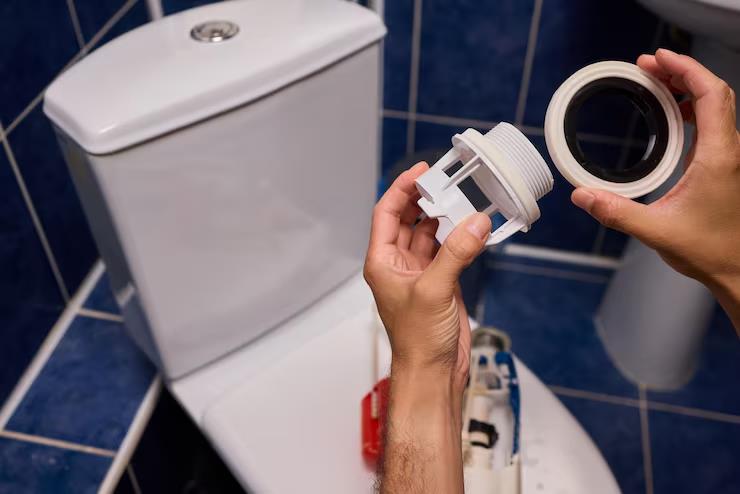
As plumbing experts here at Astar Air Conditioning, Plumbing & Electric serving the Dallas–Fort Worth area, we think about things most homeowners rarely do, like your toilet tank .You might not think about your toilet tank often, but I do, every single day. And let me tell you, cleaning your toilet tank regularly is one of the simplest ways to extend the life of your toilet and prevent costly plumbing repairs down the line.
In this guide, I’ll walk you through how to clean your toilet tank, why it’s important, how often to do it, and when to call a professional plumber in Dallas. Everything here comes from hands-on experience servicing DFW homes weekly.
Why Cleaning Your Toilet Tank Should Be a Habit?
Toilets seem pretty self-sufficient, right? As long as they flush, you assume all is well. But inside that tank, grime, rust, and mineral buildup can accumulate over time, especially here in North Texas, where hard water is a common issue.
Here’s what happens when you don’t clean your toilet tank:
- Minerals from hard water build up inside the tank, clogging components.
- Rust stains form, especially if your home has older plumbing.
- Mold and bacteria can grow, causing foul smells and even health risks.
- The flush valve and fill valve get coated in gunk, affecting performance.
- Eventually, the tank may leak, run constantly, or flush poorly.
Tools & Supplies You’ll Need to Clean Your Toilet Tank
Before you start, gather your tools. Here’s what I personally recommend (and use on service calls):
- White vinegar (up to 3 gallons)
- Rubber gloves
- Plastic-bristle scrub brush (avoid metal, it’ll damage porcelain)
- Old towels or a sponge
- Bucket (optional, for draining water)
- Baking soda (optional for tougher stains)
- Pumice stone (for hard water deposits, use gently)
If you want a natural toilet tank cleaner, vinegar and baking soda are excellent. Skip harsh chemical cleaners or bleach tablets; they can corrode your toilet’s internal parts.
Step-by-Step: How to Clean a Toilet Tank with Vinegar
I use white vinegar because it’s cheap, non-toxic, and incredibly effective against both mineral buildup and bacteria. Here’s how to clean your toilet tank using vinegar:
Step 1: Shut Off the Water Supply
Locate the shut-off valve (usually near the base of the toilet) and turn it clockwise to stop water flow. Flush the toilet once to drain most of the water.
Step 2: Drain and Prep
Soak up the remaining water in the tank using an old towel or sponge. This gives the vinegar direct contact with the tank walls.
Step 3: Fill with Vinegar
Pour white vinegar into the empty tank until it reaches about an inch below the overflow tube. Let it sit for 10 to 12 hours (overnight works great).
Step 4: Scrub It Clean
After soaking, scrub the inside of the tank gently with your plastic brush. Pay attention to areas with visible rust, mineral buildup, or mold.
Step 5: Refill and Flush
Turn the water valve counterclockwise to restore water flow. Flush a few times to rinse out the vinegar completely.
Alternative Methods for Tough Stains
If you’ve got heavy rust stains or hard water buildup (very common in Dallas homes), vinegar alone might not cut it. Try these options:
Baking Soda + Vinegar Fizz
This creates a natural foaming reaction that lifts stains and odors. Just sprinkle baking soda inside the empty tank and then add vinegar. Let it fizz for 30 minutes before scrubbing.
Use a Pumice Stone (With Caution)
Gently scrub rust or calcium buildup with a wet pumice stone. Keep both the surface and the stone wet to avoid scratches.
Commercial Cleaners
There are bleach-free toilet tank cleaners available online and in stores. Make sure they’re safe for both metal and plastic components. Always follow the instructions carefully.
Cleaning the Toilet Tank Components
Most people forget the internal parts of the toilet tank, but I always inspect and clean them during a service call.
Fill Valve
This controls the water that enters the tank. Wipe it down with a sponge and check for debris or buildup. If it’s clogged or cracked, it may need to be replaced.
Flush Valve
This is what releases the water into the bowl. Clean it gently and look for signs of wear, especially if your toilet keeps running after a flush.
Flapper & Chain
Mineral buildup can make your flapper stick, causing water waste. If it’s stiff or warped, replace it, it’s a $5 fix that saves hundreds on your water bill.
How Often Should You Clean Your Toilet Tank?
I get this question a lot from homeowners: How often should I clean my toilet tank? My answer always depends on your local water conditions, especially here in Dallas–Fort Worth, where hard water can be a real issue. For most homes, I recommend cleaning your toilet tank every 6 months. However, if you know you have hard water, or you’ve had issues with your toilet tank in the past, step it up to every three months. And of course, don’t wait if you start noticing rust stains, bad odors, a running toilet, or weak flushing; those are all signs your tank needs immediate attention.
Preventing Future Buildup in Your Toilet Tank
Want to keep your toilet tank cleaner, longer? Here’s how to stay ahead of the gunk:
- Install a water softener – Prevents mineral buildup across your plumbing
- Use bleach-free tank tablets – These help reduce bacteria without damaging components
- Quick monthly wipe-downs – Take 2 minutes to remove light buildup before it becomes a problem
And please, avoid dropping bleach tabs into your tank. I’ve seen more damage from those than any other DIY solution.
When to Call A Professional Plumber for Toilet Tank Cleaning in Dallas?
While DIY toilet tank cleaning can handle minor buildup, there are situations where it’s safer and more effective to call a professional plumber in Dallas. Contact a licensed plumber if you notice:
- Cracks in the tank or bowl – Even small cracks can worsen over time and cause leaks.
- Persistent leaks or overflowing – Indicates worn components or internal damage.
- Toilet won’t stop running – Often caused by a faulty flapper, fill valve, or internal buildup.
- Strong sewage smell – Could signal mold, bacteria, or hidden plumbing issues.
- Dirty water after flushing – Mineral deposits or corrosion may be affecting performance.
Pro Tip: Plumbing problems can escalate quickly in older Dallas homes or when issues are hidden behind walls or under slabs. Early professional intervention prevents costly repairs and protects your home.
Where to Find the Best Bathroom Plumbing Experts in Dallas
When it comes to bathroom plumbing services in Dallas, TX, Astar Air Conditioning, Plumbing & Electric stands out as one of the most trusted and highly rated local experts you can call. Astar’s licensed plumbers are experienced in handling everything from toilet repairs and clogged drains to shower leaks, faucet installations, and full bathroom plumbing upgrades, all with a focus on quality and reliability.
- Local Licensed Professionals: Astar’s plumbers are fully licensed and trained to meet Dallas and Texas plumbing codes.
- Bathroom Plumbing Expertise: They specialize in bathroom fixture repairs and installations, including toilets, showers, sinks, drains, and leak detection.
- 24/7 Emergency Service: Plumbing problems don’t wait. Astar offers emergency services day and night for issues like overflowing toilets or burst pipes.
- Transparent Pricing: Upfront quotes with no surprise fees help you budget with confidence.
- Fast Same‑Day Response: Technicians arrive quickly across Dallas and the DFW area with fully stocked service vehicles.
Book Your Dallas Bathroom Plumbing Service with Astar
For reliable bathroom plumbing Dallas, TX, care that’s fast, professional, and backed by extensive local experience, Astar is a top choice for homeowners and businesses alike.
- Call Now: (972) 485‑0813
- Book Online: Visit the official Astar DFW website to schedule bathroom plumbing repair, maintenance, or installation service with trusted Dallas professionals.
Conclusion:
Keeping your toilet tank clean might seem like a small task, but it makes a big difference when it comes to your home’s plumbing health. Regular cleanings help prevent buildup, rust, odors, and even mechanical issues that could lead to costly repairs. As a plumbing expert here at Astar Air Conditioning, Plumbing & Electric, I always tell our Dallas–Fort Worth customers: a clean tank is a happy toilet, and a smart homeowner’s first line of defense against unexpected plumbing problems. If you ever feel unsure or notice ongoing issues even after cleaning, don’t hesitate to reach out. We’re here to help with expert toilet repairs, maintenance, and everything in between.
FAQS:
1. How often should I clean my toilet tank?
You should clean your toilet tank every 6 months for general maintenance. If you have hard water or notice signs like rust stains or odors, clean it every 3 months to prevent mineral buildup and tank damage.
2. What happens if you don’t clean your toilet tank?
If you don’t clean your toilet tank regularly, mineral deposits, mold, and rust can build up. This can lead to clogs, odors, weak flushing, and even premature toilet part failure costing you more in plumbing repairs.
3. Can I use vinegar to clean my toilet tank?
Yes, white vinegar is a safe and effective natural cleaner for toilet tanks. It helps dissolve mineral deposits, remove odors, and prevent rust without damaging internal components.
4. What are the signs your toilet tank needs cleaning?
Common signs your toilet tank needs cleaning include rust-colored stains, bad smells, a running toilet, or reduced flush strength. These indicate buildup or possible internal damage that should be addressed promptly.
5. Is it safe to put bleach in a toilet tank?
It’s not recommended to use bleach in your toilet tank. Bleach can corrode rubber seals and metal parts, leading to leaks and mechanical failure. Opt for vinegar or gentle toilet-safe cleaners instead.