


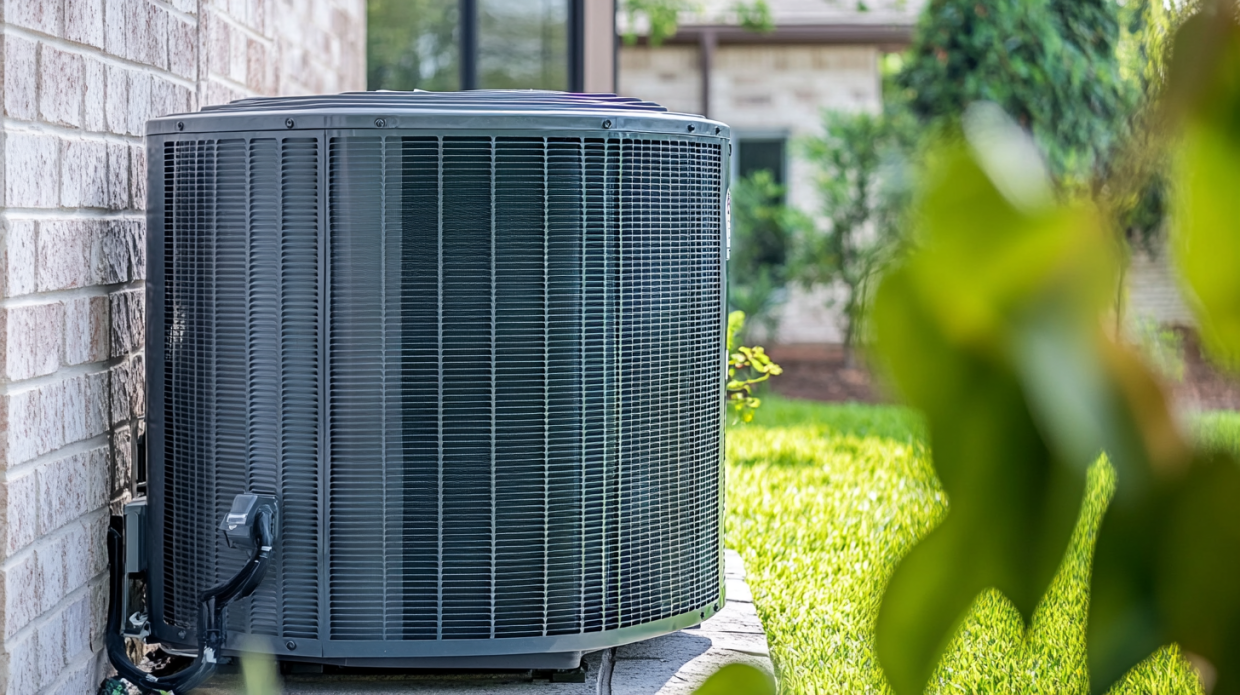
Your air conditioning system isn’t just mechanical—it’s powered by a network of electrical components that must be installed, maintained, and repaired properly. That’s where AC electricians come in. These licensed professionals handle the electrical side of your HVAC system, ensuring it runs efficiently, safely, and in compliance with local codes.
In this comprehensive guide to AC electricians, we’ll explore what they do, when you need one, and why their role is critical to your comfort and safety.
⚡ What Is an AC Electrician?
An AC electrician is a licensed electrical contractor who specializes in the power systems that operate air conditioning units and other HVAC equipment. Unlike general electricians or HVAC techs, HVAC electricians are trained to:
-
✅ Install dedicated circuits for AC systems
-
✅ Wire thermostats and control panels
-
✅ Diagnose electrical faults in HVAC components
-
✅ Ensure HVAC electrical work meets building code standards
-
✅ Install surge protection and breaker systems
Their expertise ensures that both air conditioning performance and home safety are never compromised.
🧰 What Services Do AC Electricians Provide?
Here’s what a qualified air conditioner electrician can do for your home or business:
✅ AC Unit Electrical Installation
Every central AC system requires its own power circuit. AC electricians ensure proper breaker sizing, grounding, and wire gauge to support your cooling system safely.
✅ Electrical Troubleshooting
If your AC isn’t turning on or is tripping breakers, the issue is likely electrical. A licensed AC electrician can identify and resolve problems in the wiring, fuses, capacitors, or control board.
✅ Smart Thermostat Wiring
Modern thermostats often require low-voltage wiring and constant power sources. HVAC electricians ensure clean, safe installations that maximize smart home performance.
✅ Surge Protection for HVAC Equipment
Power surges from storms or grid issues can fry your HVAC system. An AC electrician near me can install whole-home or dedicated surge protectors to shield your equipment.
✅ Code Compliance and Permits
Whether for new construction or a replacement unit, all AC installations must meet local electrical codes. Only a certified AC electrical contractor can ensure this.
📉 Signs You Need an AC Electrician
You should contact a professional HVAC electrician if:
-
⚠️ Your AC breaker trips frequently
-
🔌 Your thermostat won’t stay powered
-
🔥 You smell burning from the panel near your AC
-
🌡️ Your AC unit shuts off randomly
-
💡 Lights dim or flicker when the AC starts
These are all symptoms of electrical issues that can damage your HVAC system and even lead to fire hazards if left unaddressed.
🏠 Why AC Electrical Work Shouldn’t Be DIY
Air conditioning systems operate on 220+ volts—plenty of power to cause injury or major property damage if handled improperly. Hiring a certified AC electrician ensures:
-
✔️ Safe handling of high-voltage systems
-
✔️ Precision wiring that extends system lifespan
-
✔️ Warranty protection on both the AC and labor
-
✔️ Inspections pass on the first attempt
-
✔️ No shortcuts that compromise your cooling performance
DIY shortcuts or unlicensed labor might save a few bucks today but often lead to costly repairs or fire hazards tomorrow.
📍 The Advantage of Hiring Local AC Electricians
Working with a local AC electrician near me gives you:
-
🚀 Faster service, especially during heat waves or emergencies
-
📋 Familiarity with local permitting and inspection procedures
-
🌡️ Understanding of regional climate and home design
-
💬 Personalized service and long-term reliability
Local professionals know how to keep HVAC systems in Arlington and surrounding Texas areas running strong—even during scorching summers and unpredictable storms.