


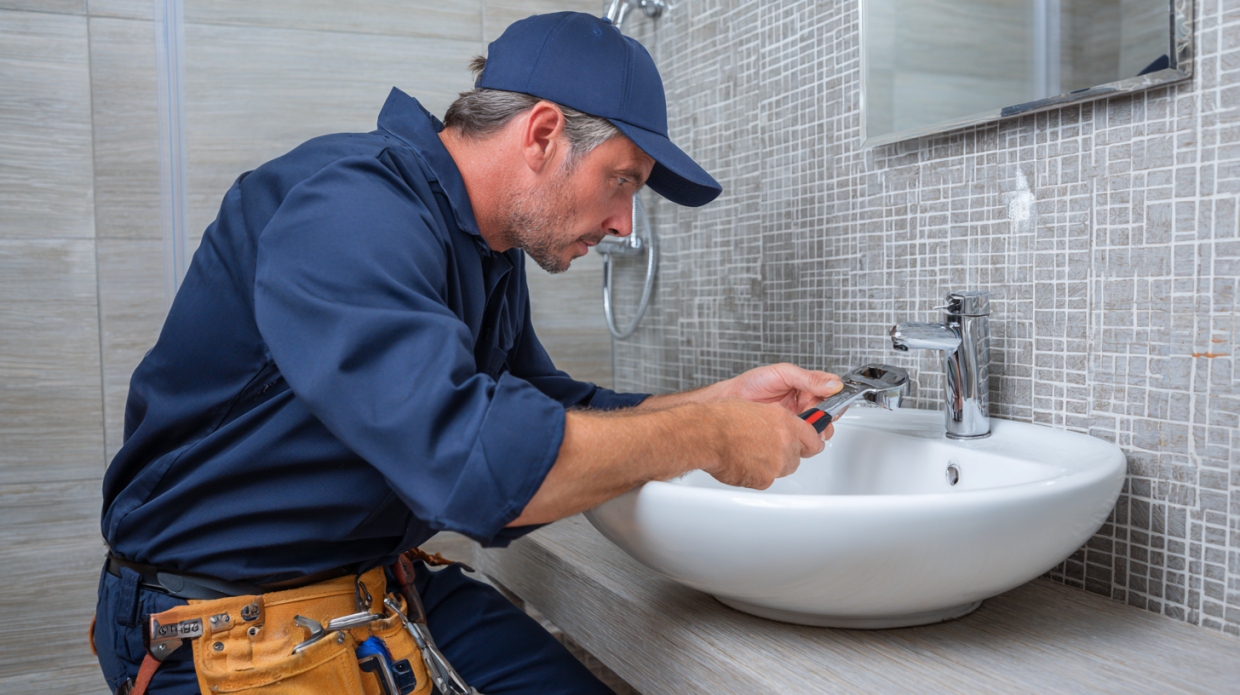
Plumbing might seem like a behind-the-scenes system, but in a state like Texas—with extreme temperatures, soil shifts, and hard water—your plumbing is the backbone of home comfort and safety. In this post, we’ll break down how plumbing Texas systems are designed, what challenges they face, and how licensed experts maintain them to keep your home efficient, functional, and protected.
🔧 How Plumbing Systems Function in Texas
🏠 The Basics
The plumbing system in Texas homes is a network of pipes, valves, water heaters, and drains that:
-
Deliver clean water from city or well sources
-
Regulate water pressure to avoid pipe damage
-
Carry wastewater safely out of the home
-
Withstand harsh seasonal changes (from drought to freeze)
📉 What Makes Plumbing in Texas Different?
Texas homes face unique environmental stressors:
-
Soil movement: Expansive clay soil shifts during wet/dry seasons, putting pressure on underground pipes
-
Hard water: High mineral content clogs fixtures and damages water heaters
-
Sudden freezes: Homes built before 2000 often lack pipe insulation and freeze protection
This is why understanding how plumbing Texas systems adapt is key to avoiding future headaches.
🛠️ Key Components of a Texas Plumbing System
🔹 Water Supply Lines
Deliver fresh water to faucets, toilets, appliances, and irrigation systems. Texas homes often need pressure regulation valves to prevent burst pipes due to fluctuating municipal supply.
🔹 Drain-Waste-Vent System (DWV)
Removes wastewater through gravity-fed drainage. Vent stacks release gases and maintain pressure to prevent sewer gases from entering your home.
🔹 Water Heater
Texas homes often use traditional tanks or tankless heaters. Hard water buildup is a common issue here, making routine flushing a must.
🔹 Shut-Off Valves
Placed throughout your home to isolate issues without cutting water to the whole property. Crucial during storms or freezes.
⚠️ Common Issues in Texas Plumbing
-
Slab leaks from shifting foundations
-
Low water pressure from sediment buildup
-
Water heater inefficiency from hard water scaling
-
Frozen pipes in attics or exterior walls
-
Clogged sewer lines from tree roots in expansive yards
🔍 How Licensed Plumbers Help Texas Homeowners
✅ Preventative Maintenance
-
Annual inspections catch early warning signs
-
Flushes water heaters to remove mineral sediment
-
Test and adjust water pressure to safe levels
✅ Emergency Response
-
Rapid repair for burst pipes during cold snaps
-
Drain clearing and sewer repair after storms
-
Leak detection with infrared and sonar tools
✅ System Upgrades
-
Switch to tankless water heaters for energy savings
-
Install whole-home water softeners to fight mineral buildup
-
Replace outdated pipes (e.g., galvanized steel) with PEX or copper
📈 How Plumbing Texas Improves Home Value
Professional Texas plumbing services don’t just fix problems—they increase long-term property value by:
-
Making homes more energy-efficient
-
Reducing repair liabilities
-
Enhancing water quality
-
Improving inspection reports for future resale
🔧 Expert Tips for Homeowners
💡 Keep Your System Running Smooth
-
Insulate exposed pipes—especially in attics and garages
-
Flush your water heater every 6–12 months
-
Don’t ignore slow drains—it’s often a sign of deeper issues
-
Install pressure regulators and backflow preventers