


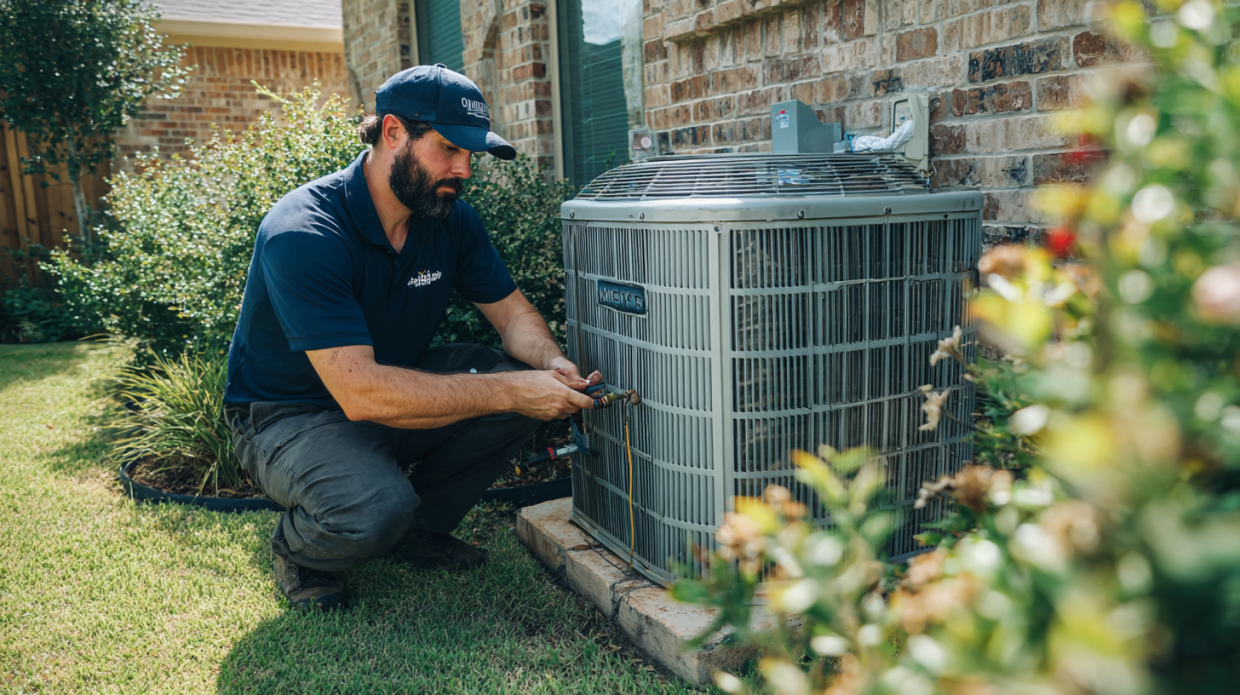
Your air conditioner may keep your home cool, but it’s the electrical system behind it that makes it all work. When something goes wrong—like the system won’t power on, the thermostat is dead, or breakers keep tripping—you need more than an HVAC tech. You need a licensed AC electrician.
In this guide, we’ll cover everything about AC electricians, including their role, services, and why they’re essential for a safe, efficient, and fully functional HVAC system.
⚡ What Is an AC Electrician?
An AC electrician (also called an HVAC electrician) is a trained professional who specializes in the electrical components of air conditioning systems. Unlike standard electricians, they understand the specific voltage, amperage, and control demands of modern HVAC systems.
🧠 Core Responsibilities:
-
✅ Running dedicated AC power circuits
-
✅ Installing and wiring thermostats
-
✅ Replacing capacitors, relays, and contactors
-
✅ Diagnosing power issues in compressors or fan motors
-
✅ Ensuring code-compliant installation and grounding
Their goal is to ensure your AC operates safely and at full performance without overloading your home’s electrical system.
🧰 Services Offered by AC Electricians
Understanding what AC electricians do will help you know when it’s time to call one. Their services include:
✅ New AC Circuit Installation
When upgrading or installing a new AC unit, the system often requires a dedicated circuit with specific voltage and amperage. A certified AC electrician ensures correct breaker sizing and grounding.
✅ Smart Thermostat Wiring
Many newer thermostats require a constant power source (C-wire). HVAC electricians install these safely to prevent malfunctions or dead thermostats.
✅ HVAC Electrical Troubleshooting
If your AC won’t turn on, trips the breaker, or causes flickering lights, a licensed AC electrician can pinpoint and correct the electrical fault.
✅ Surge Protection Installation
Power surges can fry expensive HVAC components. A qualified AC electrician will install dedicated surge protection to prevent costly damage.
✅ Control Board, Capacitor & Relay Replacements
These are common AC electrical failures. AC electricians test, identify, and replace these components as part of full system support.
⚠️ Why You Shouldn’t DIY AC Electrical Work
🔥 Electrical Risk
HVAC systems run on high voltage. Mistakes can lead to:
-
Shock hazards
-
Electrical fires
-
Permanent AC damage
📉 System Failure
Poor wiring affects performance, causes overheating, or leads to tripped breakers and inefficient cooling.
📋 Code Violations
A non-certified installation can fail inspections, void warranties, and lead to fines. Only a licensed AC electrician can provide code-compliant installations with proper documentation.
🧯 Signs You Need an AC Electrician
You may need an AC electrician near me if:
-
🔌 Your AC trips the breaker when it turns on
-
❄️ The outdoor unit doesn’t power up
-
📉 Thermostat screen is blank or unresponsive
-
💥 Burning smell or buzzing near the AC panel
-
💡 Lights dim when the AC engages
These are electrical issues, not mechanical HVAC problems—and need expert attention.
📍 Why Local AC Electricians Matter
Hiring a local HVAC electrician ensures:
-
🚀 Faster response time
-
📋 Knowledge of local code and permitting
-
🧠 Experience with regional climate impact on systems
-
💬 Post-installation support and maintenance
Homeowners in areas like Texas benefit from AC electricians who understand high-load cooling needs and utility challenges.