


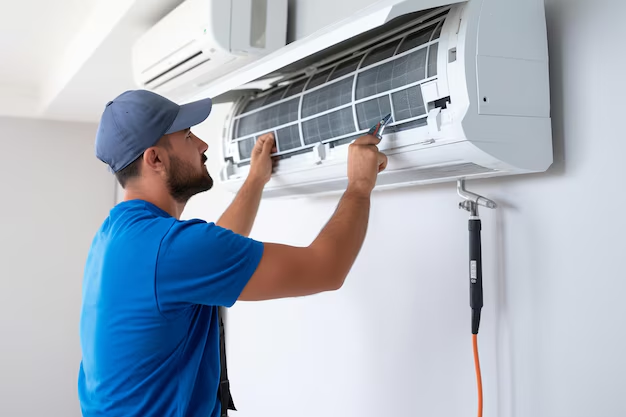
Air conditioning repair in Dallas–Fort Worth is essential for maintaining indoor comfort during extreme Texas heat. When an AC system stops cooling, leaks water, or runs inefficiently, professional AC repair restores performance, prevents costly breakdowns, and improves energy efficiency. Timely AC repair can extend system lifespan, reduce electricity bills, and protect indoor air quality.
In this complete guide, I’ll walk you through everything homeowners and businesses in the Dallas–Fort Worth area need to know about air conditioning repair, including common AC problems, costs of AC repairs in Dallas, troubleshooting steps, maintenance tips, and when to call a professional HVAC technician in Dallas.
Understanding Air Conditioning Systems in Dallas Homes
Dallas–Fort Worth experiences long, hot summers, with temperatures frequently exceeding 100°F. Because of this climate, air conditioning systems in North Texas work harder and longer than in many other regions. Most homes across Dallas use central air conditioning systems, which consist of several components working together to cool your home efficiently.
Main Components of a Central AC System
When any of these components fail or operate inefficiently, you’ll notice problems such as warm air, poor airflow, or higher energy bills.
- Outdoor Condenser Unit: Releases the heat absorbed from inside your home into the outdoor air.
- Indoor Evaporator Coil: Absorbs heat from indoor air to help cool your home efficiently.
- Compressor: Pumps and circulates refrigerant between the indoor and outdoor units.
- Thermostat: Regulates the temperature by controlling when the AC system turns on and off.
- Air Handler & Ductwork: Moves and distributes cooled air throughout the home via the duct system.
Most Common Air Conditioning Problems in Dallas Homes
After more than two decades of working in HVAC service In Texas, certain air conditioning issues show up repeatedly in homes throughout the Dallas–Fort Worth area. Because AC systems run for long hours during the intense summer heat, wear and tear on components is common. Below are some of the most frequent AC problems Dallas homeowners experience and what typically causes them.
1. AC Not Cooling Properly
One of the most common air conditioner service calls in Dallas is when the air conditioner is running, but the home still feels warm or uncomfortable. This issue usually indicates that the system is struggling to remove heat from the indoor air.
Common causes include:
- Low refrigerant levels
- Dirty evaporator coils
- Faulty thermostat settings or a malfunction
- Blocked or clogged air filters
- Compressor problems
If your home temperature continues rising even though the AC is running, the system likely needs professional inspection and repair.
2. Refrigerant Leaks
Refrigerant is the substance responsible for absorbing heat from inside your home and releasing it outdoors. When refrigerant levels drop due to a leak, the cooling process becomes inefficient.
Typical signs of a refrigerant leak include:
- AC blowing warm or slightly cool air
- Ice forming on refrigerant lines or evaporator coils
- Hissing or bubbling sounds near the system
- Reduced cooling performance
Because refrigerant handling requires specialized tools and certification, these issues must always be repaired by Astar licensed HVAC technicians in Dallas.
3. Frozen Evaporator Coils
Frozen evaporator coils are surprisingly common in Dallas homes due to high humidity and restricted airflow. When coils freeze, the air conditioner cannot absorb heat effectively, causing cooling to stop.
Common causes include:
- Dirty air filters restricting airflow
- Blocked or closed air vents
- Low refrigerant levels
- Blower fan or airflow problems
When coils freeze, the system must be shut down and repaired before normal cooling can resume.
4. AC Short Cycling
Short cycling occurs when the air conditioner turns on and off repeatedly without completing a full cooling cycle. This problem places significant stress on system components.
Possible reasons include:
- An oversized AC unit for the home
- Thermostat malfunction or incorrect placement
- Electrical control issues
- Dirty or blocked condenser coils
Short cycling not only reduces comfort but also increases energy consumption and shortens the lifespan of the AC system.
5. Water Leaks Around the AC Unit
Air conditioners naturally remove humidity from the air, producing condensation that drains away through a dedicated line. When this drainage system becomes blocked or damaged, water leaks may occur.
Leaks are often caused by:
- Clogged condensate drain lines
- Cracked or rusted drain pans
- Improper system installation
- Frozen evaporator coils
Ignoring water leaks can lead to property damage, mold growth, and additional repair costs.
6. AC Making Unusual Noises
Strange or loud noises from your air conditioner are usually a sign that internal components are failing or becoming loose.
Common sounds and their possible causes include:
- Grinding: Often caused by worn motor bearings.
- Buzzing: May indicate electrical problems or loose wiring.
- Rattling: Typically caused by loose screws or panels.
- Screeching: Often linked to fan motor or belt issues.
Any unusual sound should be inspected promptly by an HVAC professional to prevent further damage and more expensive repairs.
Signs Your Air Conditioner Needs Repair In Dallas
Many homeowners wait too long before calling an HVAC technician, which can turn a small issue into a much more expensive repair. Recognizing early warning signs can help prevent system failure during the hottest days in Dallas. Below are some common indicators that your air conditioning system may need professional repair.
Weak Airflow
If you notice reduced airflow from your vents, it could indicate clogged air filters, blocked ductwork, or a failing blower motor. Poor airflow makes it harder for your system to cool the home efficiently.
Warm Air
When your AC starts blowing warm or lukewarm air instead of cold air, it usually means the cooling process is not functioning correctly. This may be caused by refrigerant issues, thermostat problems, or compressor failure.
High Energy Bills
A sudden increase in electricity bills without a change in usage often points to an inefficient air conditioning system. Dirty components, worn-out parts, or refrigerant problems can force the system to work harder and consume more energy.
Frequent Breakdowns
If your AC unit requires repeated repairs within a short period, it may be a sign that major components are wearing out. Frequent breakdowns often indicate the system is nearing the end of its lifespan.
Excess Humidity Indoors
Air conditioners not only cool the air but also remove humidity from your home. If your indoor environment feels unusually humid or sticky, your AC system may not be functioning properly and should be inspected by a professional technician.
How Much Does AC Repair Cost in Dallas?
AC repair costs in Dallas typically vary depending on the type of issue, system size, parts required, and labor involved. Minor repairs are usually affordable, while major component failures can cost significantly more. Professional companies like Astar Air Conditioning, Plumbing & Electric provide transparent, upfront pricing so homeowners know the cost before any repair work begins. AC Repair costs in the Dallas–Fort Worth area commonly fall within the following ranges:
|
Repair Type |
Estimated Cost |
|
Thermostat replacement |
$150 – $400 |
|
Capacitor replacement |
$120 – $350 |
|
Refrigerant recharge |
$300 – $900 |
|
Fan motor replacement |
$400 – $900 |
|
Compressor repair |
$1,200 – $2,500 |
Major repairs can sometimes approach the cost of installing a new system, which is why experienced HVAC professionals evaluate whether repair or replacement is the more cost-effective long-term solution.
How to DIY Troubleshooting Before Calling an HVAC Technician?
Before scheduling a professional AC repair service, there are a few basic troubleshooting steps homeowners in Dallas can try. Many minor air conditioning issues are caused by simple problems that can be resolved quickly without professional intervention. However, if these steps don’t restore proper cooling, it’s best to contact a qualified HVAC technician.
- Check Thermostat Settings: Ensure it’s set to “Cool” and the temperature is lower than room temperature.
- Replace Air Filters: Dirty filters restrict airflow and reduce cooling efficiency.
- Inspect Circuit Breaker: Reset any tripped breakers powering the AC unit.
- Clear Outdoor Unit Debris: Remove leaves, grass, and dirt to allow proper airflow.
- Check Air Vents: Make sure all vents and registers are open and unobstructed.
- Inspect Condensate Drain Line: Clear minor clogs that can cause water leaks.
- Monitor AC Performance: If issues persist, call a licensed HVAC professional like Astar DFW.
Professional AC Repair Process in Dallas
A reputable Dallas AC repair technician follows a structured process to ensure precise diagnostics and effective repairs. This approach guarantees homeowners in Dallas–Fort Worth reliable cooling performance while avoiding unnecessary costs. At Astar Air Conditioning, Plumbing & Electric, technicians use a step-by-step method for every air conditioner repair or HVAC service call.
Step 1: System Inspection
Technicians start with a thorough inspection of both the indoor and outdoor AC components. This includes:
- Evaporator coils
- Condenser units
- Compressors
- Air handlers and ductwork
This inspection identifies any visible signs of wear, damage, or blockages in Dallas homes or commercial spaces.
Step 2: Diagnostic Testing
Using advanced diagnostic tools, the technician tests key system functions to ensure your Dallas AC repair is accurate:
- Airflow testing to check duct and vent efficiency
- Refrigerant pressure checks for leaks or low levels
- Electrical system evaluation for motors, capacitors, and wiring
- System efficiency testing to confirm optimal operation
This ensures your DFW air conditioning system is functioning efficiently before repairs begin.
Step 3: Problem Identification
After diagnostics, the root cause is pinpointed. Common issues in Dallas AC units include:
- Faulty compressors
- Frozen evaporator coils
- Electrical malfunctions
- Refrigerant leaks
Technicians at Astar DFW determine whether the system needs a standard AC repair or more extensive HVAC service.
Step 4: Transparent Pricing
Before any work is done, homeowners receive upfront pricing for AC repair in Dallas–Fort Worth. This eliminates hidden costs and allows you to choose the best option, repair or replacement, based on your Dallas home cooling needs.
Step 5: Repair & Testing
Approved repairs are performed using professional-grade tools and parts. After repairs, the system is thoroughly tested to ensure:
- Proper airflow throughout your Dallas home or office
- Correct refrigerant levels
- Optimal energy efficiency
This step guarantees your Dallas–Fort Worth air conditioning system restores peak performance and indoor comfort.
By following this structured process, Astar DFW technicians ensure every AC repair is precise, reliable, and designed to extend the lifespan of your system while maintaining peak comfort in Dallas homes.
How to Prevent AC Breakdowns in Dallas Summers
Preventive maintenance is the most effective way to avoid costly AC repairs in Dallas and keep your home comfortable during the scorching summer months. Regular care not only extends the lifespan of your air conditioner but also improves energy efficiency and reduces the risk of unexpected breakdowns.
- Schedule Annual Tune-Ups: Professional inspections catch issues before they become costly repairs.
- Change Air Filters Regularly: Replace every 1–3 months to maintain airflow and efficiency.
- Clean Outdoor Condenser: Remove leaves, grass, and debris around the unit for proper cooling.
- Seal Air Leaks: Insulate ducts and home spaces to prevent cooled air loss and improve efficiency.
- Install a Smart Thermostat: Optimize cooling schedules and reduce energy consumption automatically.
- Monitor System Performance: Watch for unusual noises, weak airflow, or temperature fluctuations.
- Call a Licensed HVAC Technician: Schedule professional maintenance with trusted Dallas experts like Astar DFW.
When to Repair vs Replace Your Air Conditioner
Sometimes repairing your AC is the most cost-effective solution, but in other cases, replacing it with a new, energy-efficient system is the smarter long-term investment. Understanding the signs can help Dallas homeowners make the right choice for comfort and savings.
|
Decision |
Indicators |
Notes |
|
Repair |
|
Ideal for extending the life of a relatively new system without large costs |
|
Replace |
|
Upgrading to a modern system can improve efficiency and reduce energy bills by 20–40% |
Making the right choice between repair and replacement ensures your Dallas–Fort Worth home stays comfortable while optimizing energy usage and avoiding repeated service costs.
Which is the best AC Repair Company in Dallas?
Not all HVAC companies provide the same quality of service, especially in Dallas–Fort Worth, where extreme summer heat demands reliable cooling. When searching for AC repair in Dallas, homeowners should prioritize companies with licensed HVAC technicians, transparent upfront pricing, and emergency repair availability. Additional factors include proven experience with Texas climate systems and strong reviews from local residents.
For homeowners and businesses across Dallas and the DFW Metroplex, Astar Air Conditioning, Plumbing & Electric is widely recognized as the best AC company in Dallas. With same-day AC repair services, certified technicians, and clear upfront pricing, Astar ensures reliable, professional, and efficient solutions for every air conditioning issue, from minor repairs to full system diagnostics.
Final Thoughts: Hire a Professional AC Repair In Dallas
If your air conditioner is blowing warm air, making unusual noises, or struggling to keep up with the heat, it’s best to schedule professional service before the problem worsens.
For fast and reliable HVAC repair, homeowners across Dallas–Fort Worth trust Astar Air Conditioning, Plumbing & Electric.
Call 817-518-2740 to speak with an HVAC specialist or schedule your AC repair online for same-day service. Their certified technicians provide expert diagnostics, transparent pricing, and dependable cooling solutions to keep your home comfortable all summer long.
Frequently Asked Questions About AC Repair in Dallas
1. Why is my AC running but not cooling my house?
This usually happens due to refrigerant leaks, dirty air filters, frozen evaporator coils, or thermostat issues. A licensed technician from Astar DFW can quickly diagnose and fix the problem to restore proper cooling.
2. How quickly can an HVAC technician repair an AC unit?
Most standard AC repairs are completed within 1–3 hours. More complex issues, such as compressor or electrical problems, may require additional time or parts, which Astar technicians handle efficiently with same-day service.
3. How often should AC systems be serviced in Dallas?
Because AC systems in Dallas run heavily during the summer, Astar recommends two professional maintenance visits per year, ideally in spring and fall, to ensure peak performance and prevent breakdowns.
4. What temperature should my thermostat be set to in Dallas summer?
Energy experts advise setting your thermostat to 78°F when home and 82–85°F when away. Smart thermostat installation by Astar DFW can help optimize cooling schedules and reduce energy bills.
5. Why is my electric bill so high in summer?
High electricity bills are often caused by:
- Dirty or clogged air filters
- Poor insulation or leaky ducts
- Aging HVAC systems
- Low refrigerant or system inefficiency
Astar technicians can inspect your system and recommend cost-saving solutions.
6. Is it safe to run AC all day during extreme heat?
Yes, running your AC is safe, but the system should cycle normally. Continuous operation without reaching the set temperature may indicate a mechanical or refrigerant issue, which Astar DFW can diagnose and repair quickly.