


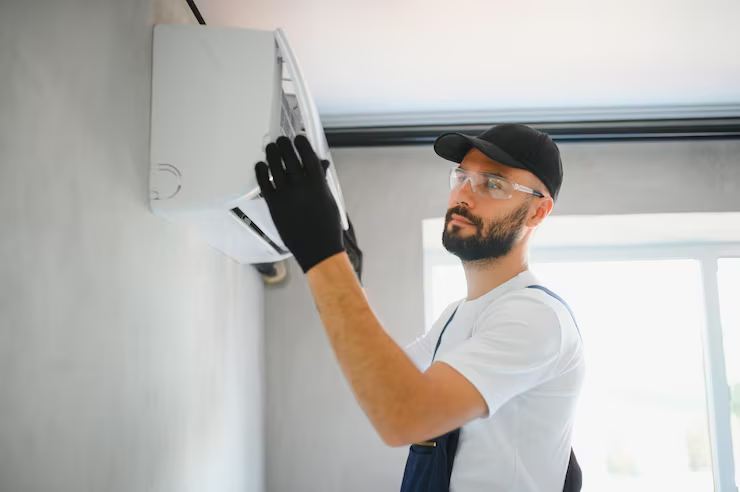
A professional AC tune‑up in Dallas involves a certified HVAC technician performing a comprehensive inspection, cleaning, calibration, and performance optimization of your air conditioning system. This service improves efficiency, extends system life, enhances comfort, and prevents unexpected breakdowns, especially crucial in the DFW heat and humidity.
In this guide, you’ll discover exactly what happens during a professional tune‑up, why it matters, how it protects your AC investment, real Dallas cost expectations, common problems uncovered, signs you need a tune‑up, and answers to the questions DFW homeowners ask most.
What Is an AC Tune‑Up?
A professional AC tune‑up is a systematic, expert inspection and maintenance service performed by licensed HVAC technicians. It includes cleaning, testing, adjusting, and securing all major AC components for optimal efficiency and reliability.
This service goes beyond simple filter changes it’s a deep performance check that optimizes your system’s cooling capacity, airflow, electrical efficiency, refrigerant balance, and safety.
Step‑by-Step: What Happens During a Professional AC Tune‑Up
1. Initial System Assessment
During the initial assessment, a certified HVAC technician inspects thermostat settings for accurate temperature control and evaluates the system’s overall condition and performance history. This early inspection helps prevent costly breakdowns during Dallas’ high-demand summer months.
Key Steps:
- Inspect thermostat calibration
- Review system performance history
- Identify early issues affecting efficiency
- Evaluate past repairs and system stress
- Prepare the system for peak summer cooling
2. Safety Shut‑Down and Power Checks
The technician powers down the AC system safely and inspects all electrical connections, safety switches, and circuit breakers. Capacitors and wiring are examined to prevent hazards and improve system reliability. Safety checks are critical to ensure your Dallas home AC can handle intense summer heat.
Key Steps:
- Turn off the system power safely
- Inspect electrical connections and safety switches
- Examine capacitors and wiring for wear
- Check circuit breakers for stability
- Reduce the risk of AC electrical failure
3. Air Filter & Airflow Inspection
Technicians replace or clean air filters and inspect ductwork, registers, blower motor, and evaporator coil. Optimized airflow enhances cooling efficiency, prevents hot or cold spots, and improves indoor air quality, essential in Dallas’ humid climate.
Key Steps:
- Replace or clean air filters
- Inspect ductwork and registers
- Check blower motor functionality
- Clean evaporator coil
- Ensure even airflow and indoor comfort
4. Condenser Unit Cleaning
The outdoor condenser unit is cleared of debris, and coils are cleaned to improve heat transfer. The fan motor and blades are inspected for proper operation. Cleaning reduces strain on the compressor and ensures reliable cooling during Dallas’ hottest months.
Key Steps:
- Remove leaves, dirt, and debris from the condenser
- Clean condenser coils for better heat exchange
- Inspect the fan motor and blades
- Improve cooling efficiency
- Protect the compressor from excessive strain
5. Refrigerant Evaluation
A licensed technician measures refrigerant levels, checks for leaks with electronic tools, and recharges or adjusts as necessary. Proper refrigerant levels maintain efficiency, prevent compressor damage, and ensure consistent Dallas home comfort during high temperatures.
Key Steps:
- Measure refrigerant levels against manufacturer specs
- Detect refrigerant leaks electronically
- Recharge or adjust refrigerant as needed
- Optimize cooling efficiency
- Protect system components from damage
6. System Calibration
The technician tests and calibrates the thermostat, balances airflow across all units, and verifies start-up and shut-down sequences. Proper calibration ensures precise temperature control, energy savings, and smooth AC operation for Dallas homeowners.
Key Steps:
- Test the thermostat for accurate readings
- Adjust airflow balance between indoor and outdoor units
- Verify start-up and shut-down sequences
- Enhance energy efficiency
- Ensure consistent home cooling
7. System Performance Testing
After adjustments, the technician measures pressures, temperatures, and evaluates cooling cycle efficiency. Unusual noises or vibrations are monitored, ensuring the AC operates safely, efficiently, and reliably throughout Dallas’ peak summer months.
Key Steps:
- Measure operating pressures and temperatures
- Evaluate cooling cycle efficiency
- Monitor for unusual noises or vibrations
- Ensure safe and efficient operation
- Confirm system readiness for high demand
8. Safety & Final Quality Check
Finally, the technician inspects all safety devices, including limit switches, E-filters, and condensate pumps. Loose parts and electrical hazards are corrected. This final check guarantees that your Dallas air conditioning system is safe, reliable, and optimized for long-term performance.
Key Steps:
- Inspect all safety devices
- Check for loose parts or electrical hazards
- Verify condensate pump operation
- Confirm overall system readiness
- Ensure long-term system reliability and efficiency
The Benefits of a Professional AC Tune‑Up
A professional AC tune-up improves efficiency, prevents costly breakdowns, enhances comfort, and extends system life. Dallas homeowners benefit from reliable cooling, lower energy bills, and healthier indoor air year-round.
Improved Energy Efficiency
A tune-up optimizes airflow, cleans coils, and calibrates sensors. Your Dallas AC system runs more efficiently, reducing electricity consumption and lowering monthly energy bills during hot summer months.
Extended System Lifespan
Regular maintenance prevents excessive wear on compressors, motors, and fans. This extends the life of your AC system, helping Dallas homeowners avoid premature replacement costs.
Reduced Risk of Breakdowns
Early detection of leaks, electrical issues, and clogged coils prevents sudden failures. Regular tune-ups keep your Dallas AC system reliable, even during peak summer heat.
Consistent Indoor Comfort
Balanced airflow, accurate thermostat calibration, and clean components provide even cooling throughout your home. This eliminates hot or cold spots, keeping your Dallas home comfortable year-round.
Healthier Indoor Air Quality
Replacing or cleaning air filters and coils removes dust, allergens, and mold spores. Tune-ups improve indoor air quality, creating a healthier environment for your family.
Cost Savings Over Time
Preventive maintenance reduces energy bills, minimizes emergency repair costs, and maximizes the return on your AC investment, helping Dallas homeowners save money while keeping their system efficient.
How Often Should You Get an AC Tune‑Up in Dallas?
Experts recommend a professional AC tune‑up in Dallas at least once per year, ideally in the spring before Dallas summer heat peaks. Key factors that might increase frequency:
- Older system age (>10 years)
- Heavy AC usage (DFW summers)
- Presence of pets or indoor allergies
- Large homes or multi‑zone systems
- History of frequent breakdowns
How Much Does an AC Tune‑Up Cost In Dallas?
In Dallas, a professional AC tune‑up typically costs $85 to $175, depending on system size, type, and any additional diagnostics or repairs needed. At Astar DFW, our tune‑up pricing is competitive, transparent, and tailored to your specific needs without hidden costs.
Top Signs Your AC Needs a Tune‑Up
Dallas homeowners often ignore early warning signs of AC issues. If you notice any of these signs, schedule a professional AC tune‑up immediately. Here’s what to watch for:
- Reduced cooling performance
- Weak or uneven airflow
- Unusual noises (buzzing, rattling, squealing)
- Higher than normal energy bills
- Frequent cycling on/off
- Warm air coming from vents
- Thermostat display irregularities
- Water leaks around the AC unit
Best HVAC Expert in Dallas for AC Tune‑Ups
For reliable, professional AC tune‑ups in Dallas, trust Astar Air Conditioning, Plumbing & Electric, a top‑rated local HVAC contractor with licensed, insured technicians and upfront pricing. We provide expert seasonal maintenance, performance optimization, and same‑day service tailored to the Dallas climate.Our team offers transparent quotes, priority maintenance plans, and expert care to keep your cooling system efficient and dependable all season
Book Our HVAC Expert Now:
- Call: 469-250-0518 to schedule your AC tune‑up or service.
- Book Online: Visit the Astar DFW website to request a service appointment and see availability.
Frequently Asked Questions
1. What is included in a professional AC tune‑up?
A professional AC tune-up includes a full system inspection, cleaning of coils and filters, performance testing, refrigerant level checks, airflow optimization, electrical inspections, and safety verification.
2. How long does an AC tune‑up take?
Most professional tune-ups take 45 to 90 minutes, depending on the system’s size, type, and condition.
3. Do tune‑ups improve energy efficiency?
Yes. A properly tuned AC system runs more efficiently, uses less electricity, and delivers better cooling performance, helping lower your energy bills.
4. Can I do a tune‑up myself?
DIY maintenance is limited to changing filters or clearing debris. A professional tune-up requires specialized tools and training for refrigerant checks, electrical testing, and coil cleaning.
5. Will a tune‑up prevent breakdowns?
While it can’t stop all failures, a tune-up significantly reduces the risk of unexpected breakdowns by catching small issues before they become major problems.
6. Is an AC tune‑up worth it for older systems?
Absolutely. For systems 7+ years old, regular tune-ups can extend lifespan, maintain efficiency, and prevent costly repairs.
7. Should I schedule a tune‑up before summer or winter?
Spring is ideal to prepare for Dallas’ hot summer months. Fall tune-ups are also recommended for heat pumps before winter use.
8. How often should I replace my AC?
Most well-maintained systems last 12–15 years. Regular tune-ups help extend this life and ensure your AC continues running efficiently.